About Kinvarra
Kinvarra is a village in County Galway, 17 km south-east of Galway city, with 721 people at the 2022 census. A port at the head of its own bay in the corner of Galway Bay, an O'Hynes tower on the shore, and two festivals a year: the cuckoo in May, the boats in August.
- Population
- 721 (2022 census)
- Where
- 17 km from Galway, 180 km from Dublin
- Position
- 53.1390° N, 8.9394° W, 10 m above sea level
- In Irish
- Cinn Mhara
- On the model
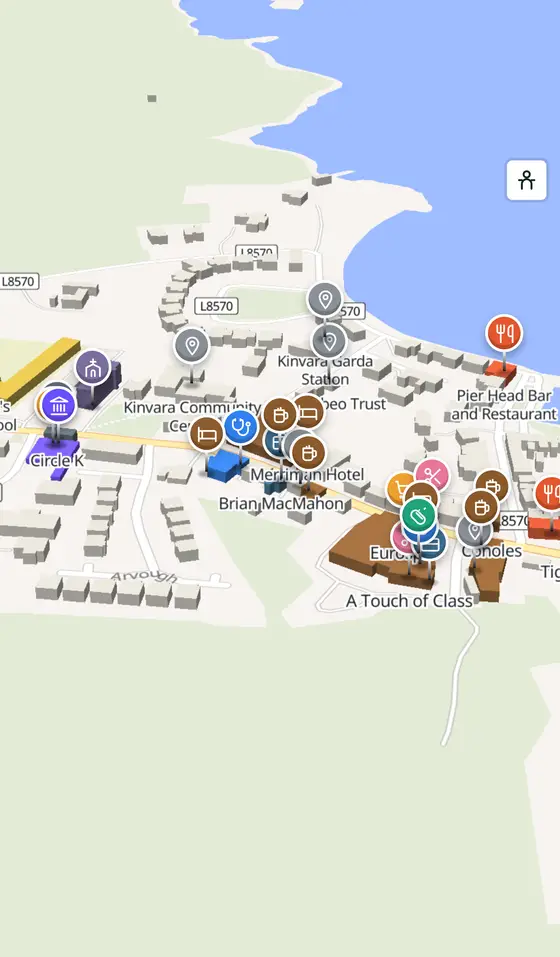
- 804 buildings, 14 streets, 164 places in 46 kinds
- Read more
- Kinvarra on Wikipedia
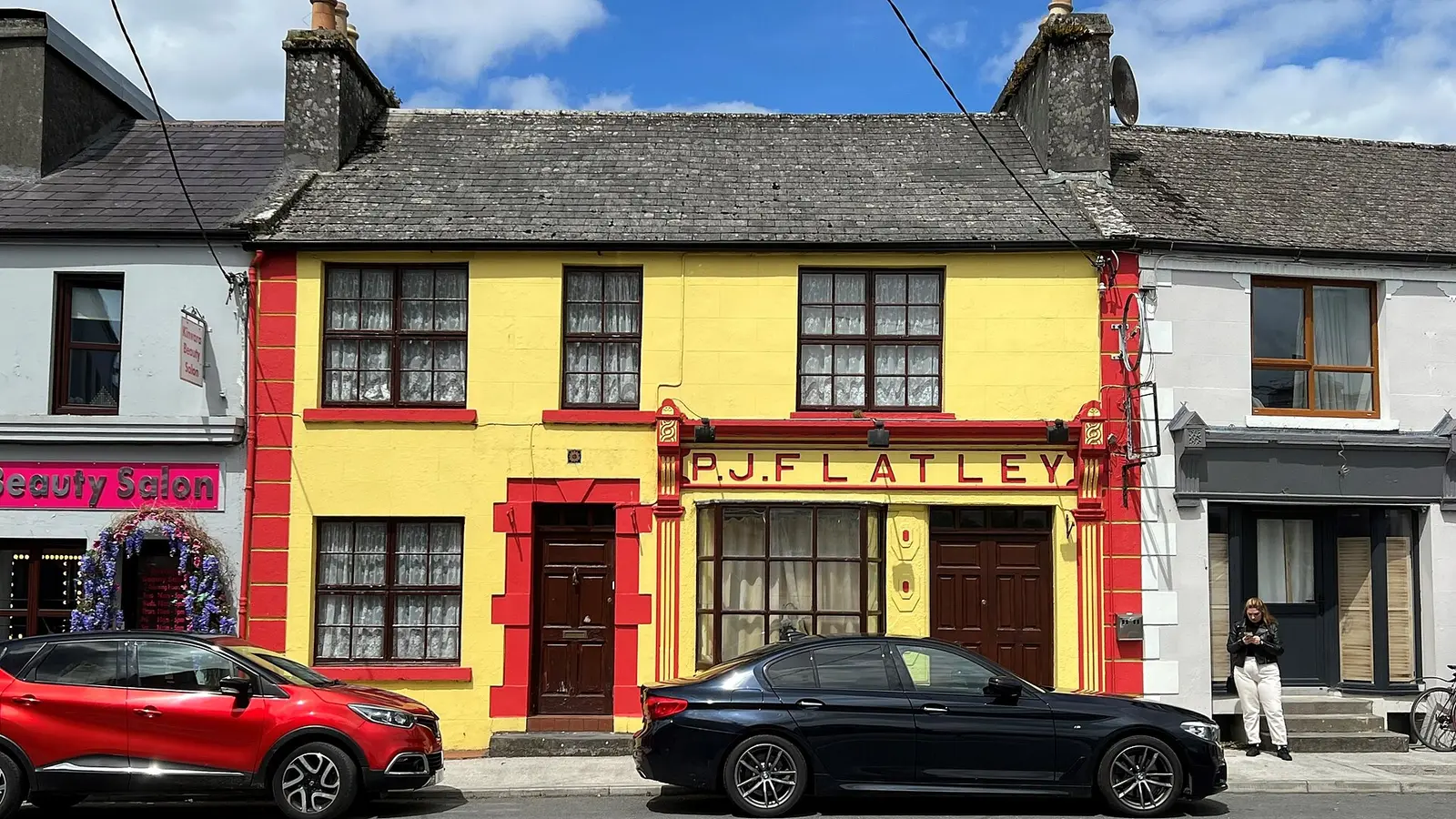
Ian Hawfinch, CC BY-SA 2.0 via Wikimedia Commons

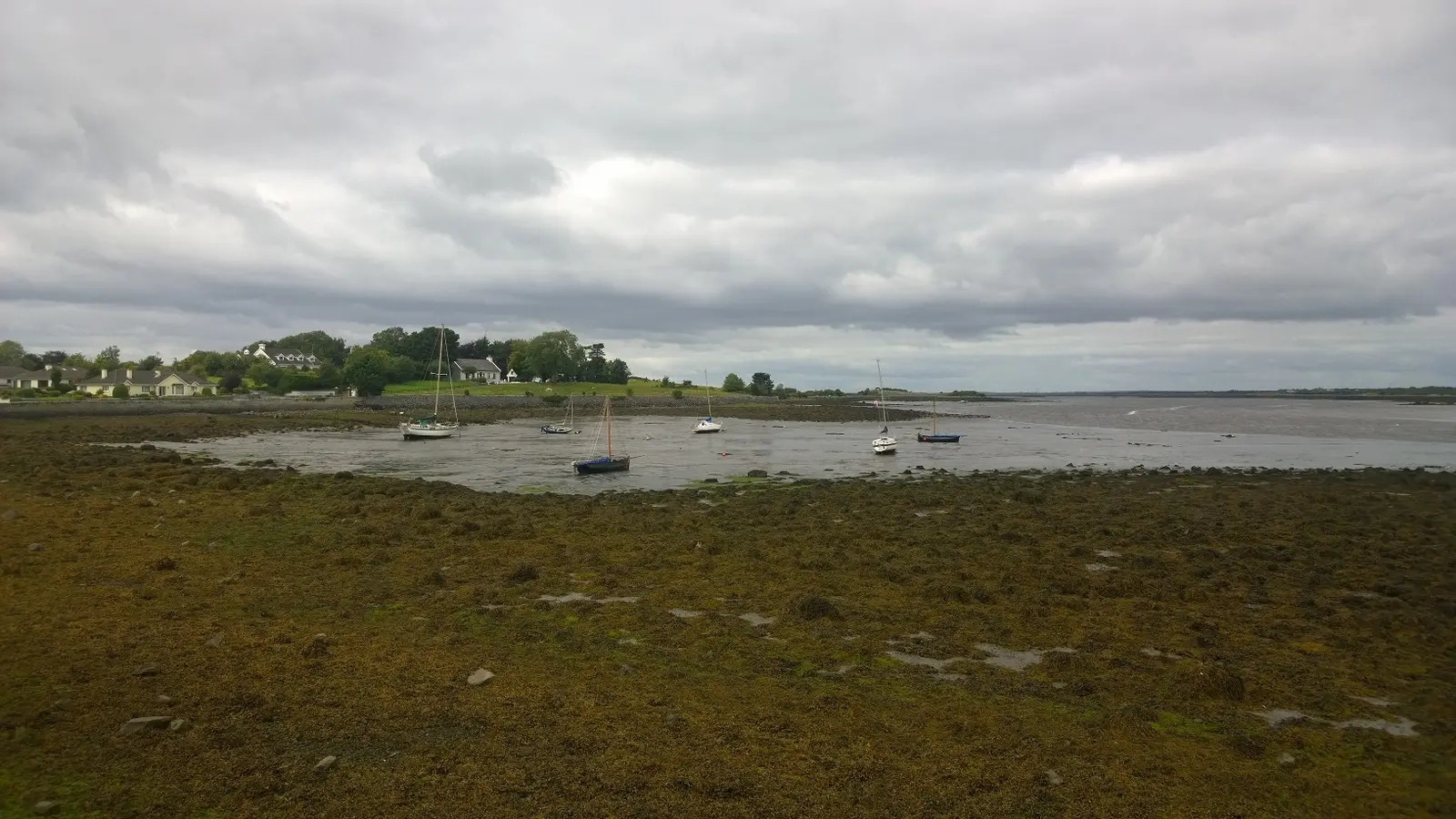
James Emmans, CC BY-SA 2.0 via Wikimedia Commons

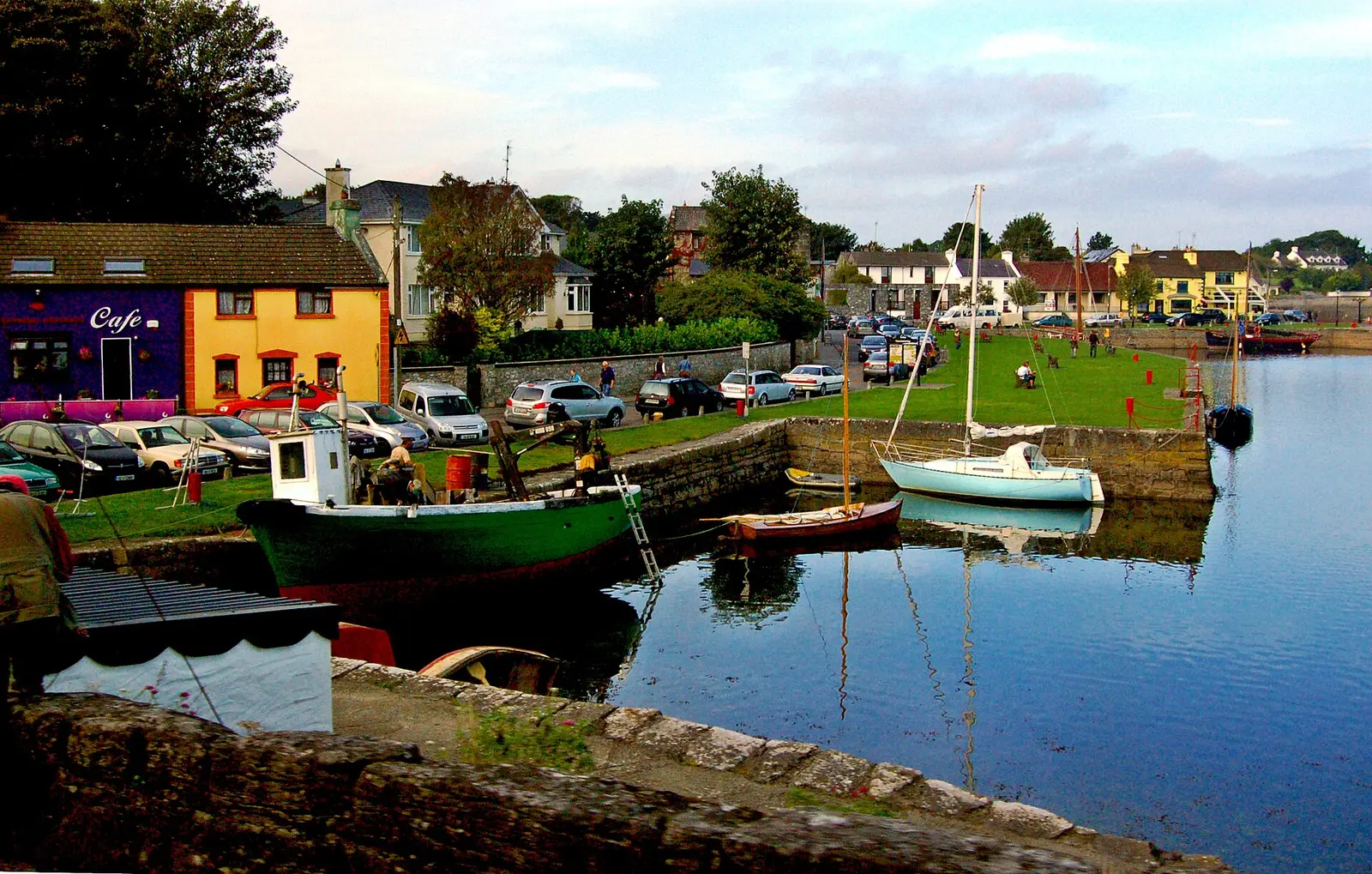
Joseph Mischyshyn, CC BY-SA 2.0 via Wikimedia Commons

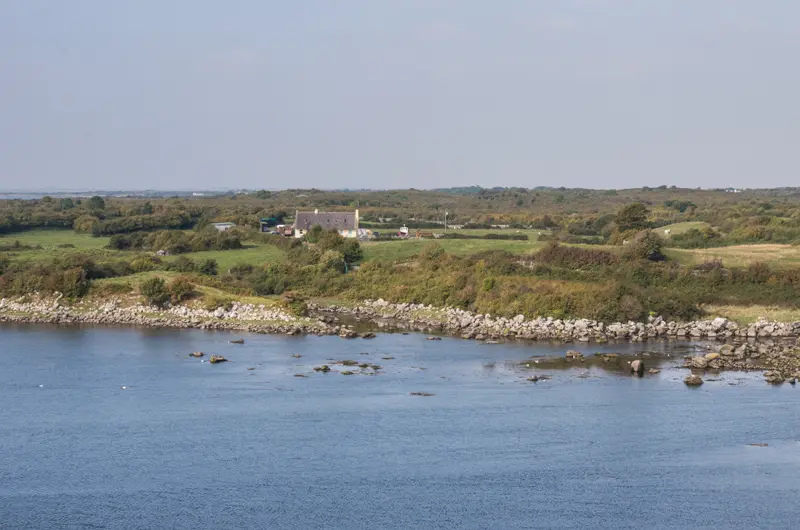
Ian Capper, CC BY-SA 2.0 via Wikimedia Commons

A short history
- Early timesForts, a kiln and a windmill. Promontory forts and ringforts lie in the townlands round about, Dungory West, Ballybranagan and Loughcurra North, and Kinvarra townland itself has ring fort sites, a lime kiln and the ruin of an eighteenth-century windmill.
- 16th centuryDunguaire. The O'Hynes built the tower house on the shore east of the village; a list of Galway castles and their owners drawn up in 1574, probably for Lord Deputy Sidney and the composition of Connacht, records Faragh O'Hynes as its owner.
- 1650sThe chasm of the heads. The Mass rock near the village, the Poulnegan Altar, is called Poll na gCeann, the chasm of the heads; tradition says student monks from a college nearby were killed at Mass there by Cromwell's soldiers and their heads thrown into the chasm.
- 1819 and 1877Two churches. St Colman's was built in 1819 and St Joseph's in 1877, with the presbytery, once a convent, of about 1875.
- 1831The Terry Alts. The agrarian secret society gathered in force on Abbey Hill between Kinvara and New Quay and dared the troops to fight; they had dispersed before the soldiers came.
- 1840s to 1960sThe port empties. The Famine and a century of emigration left a village that had shipped corn and seaweed with no more than a few hundred people.
What to see
- Dunguaire Castle940 m
The sixteenth-century O'Hynes tower house on the shore east of the village.
- St Coman's Church164 m
The old church in the village, named for the early medieval saint of Kinvara.
- St Joseph's Church134 m
The parish church of 1877, its presbytery a former convent.
- Tawnagh windmill4.2 km
One of the windmill ruins of the district, 4 km out.
- The Burren
The limestone country begins across the county bounds a few kilometres to the west and south.
- Coole Park8.6 km
Lady Gregory's demesne and the autograph tree, 8.5 km away towards Gort.
Questions people ask
Where is Kinvarra?
What is the population of Kinvarra?
What is there in Kinvarra?
What is Kinvara known for?
Getting around
Kinvarra sits on the N67 coast road between Galway and Ballyvaughan. 1 bus stop and 1 car park are on the map.
History, sights and civic facts summarise Wikipedia, "Kinvara" (CC BY-SA 4.0, read 2026-09-19). Population is the CSO census as listed there. Distances and everything on the model are OpenStreetMap.