Guides, town by town
228 articles about one thing each: how to get somewhere, what a landmark is, when a festival runs, where a beach lies. Written from named sources, never copied, and tied to the model.
Galway city 75
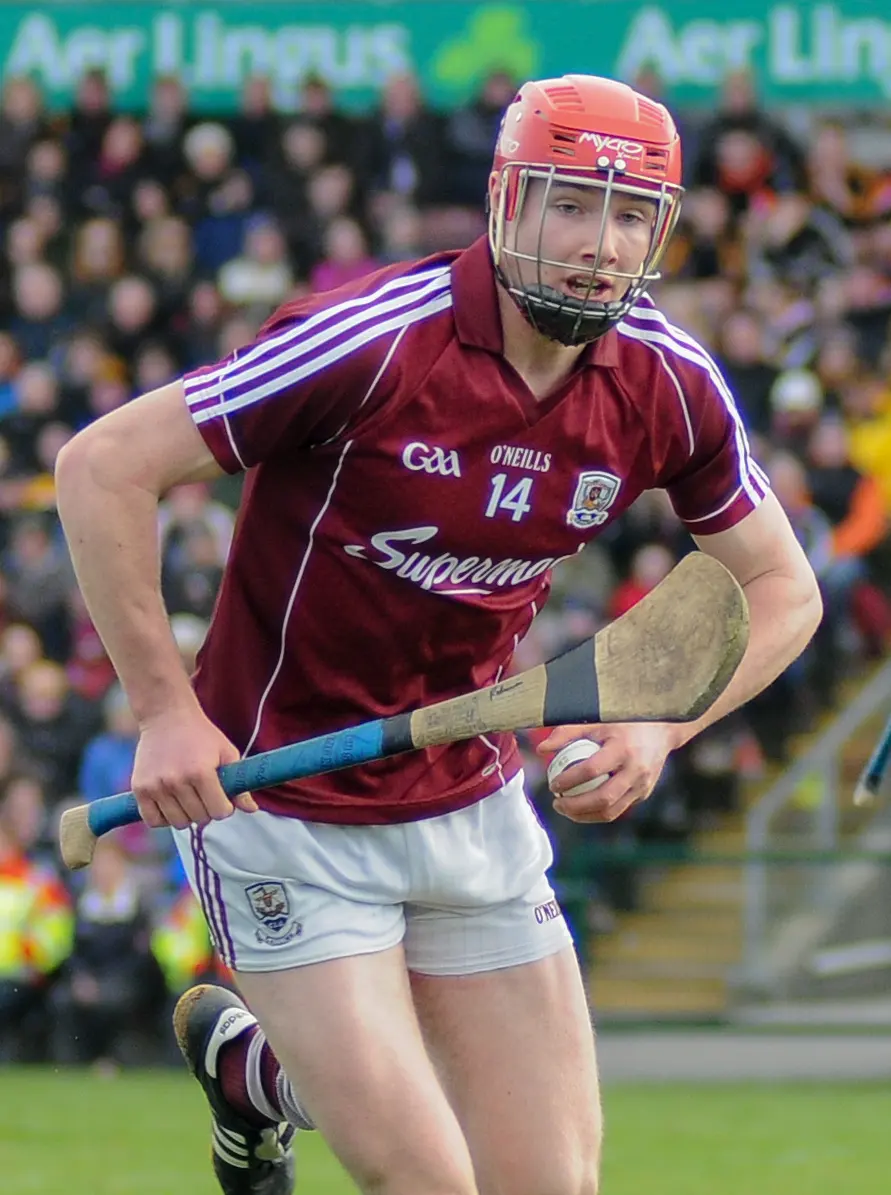
Ceannt Station is on Eyre Square in the centre of Galway: two platforms, trains to Dublin Heuston, Limerick and Athenry, a booking office, waiting…
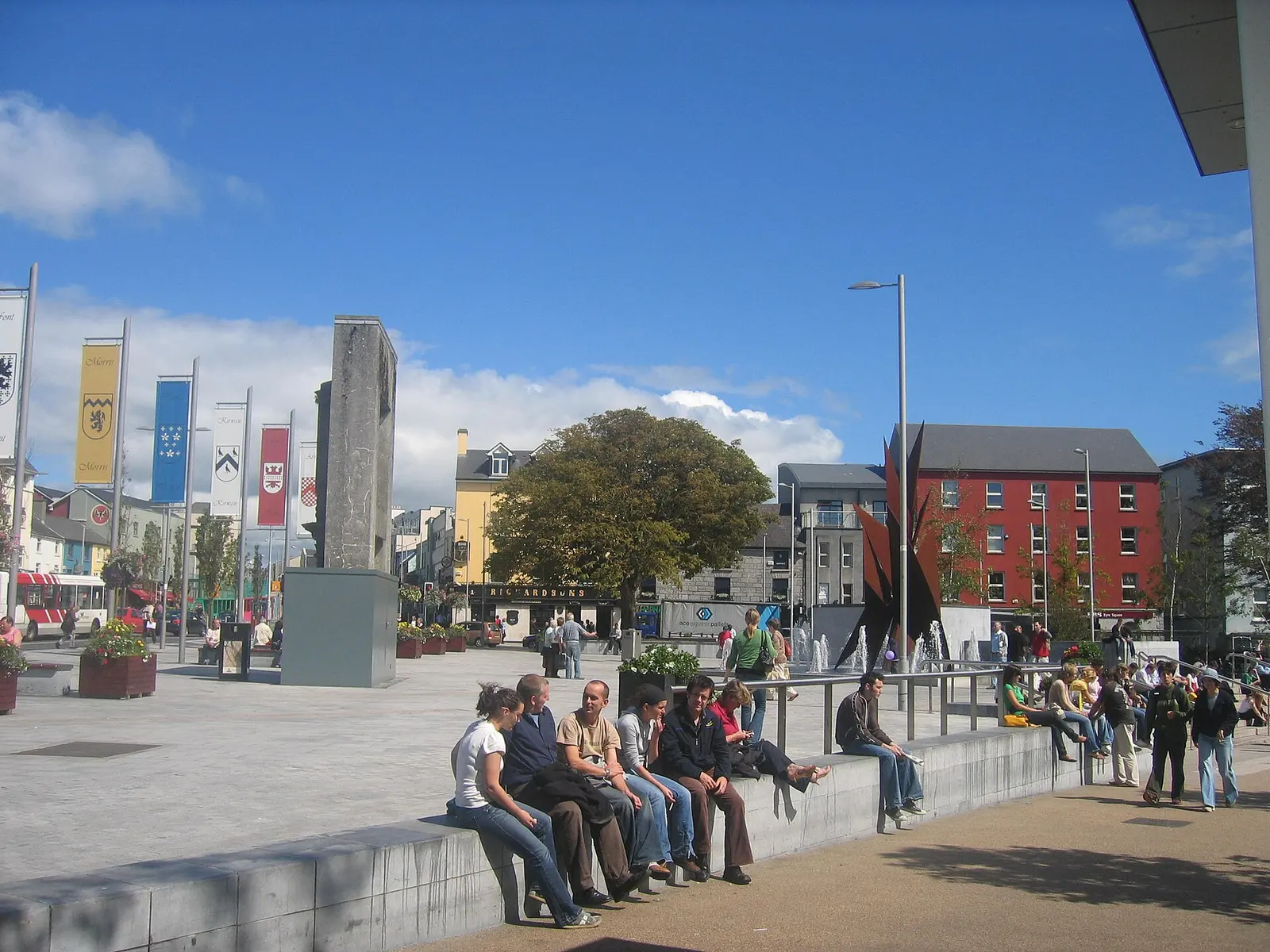
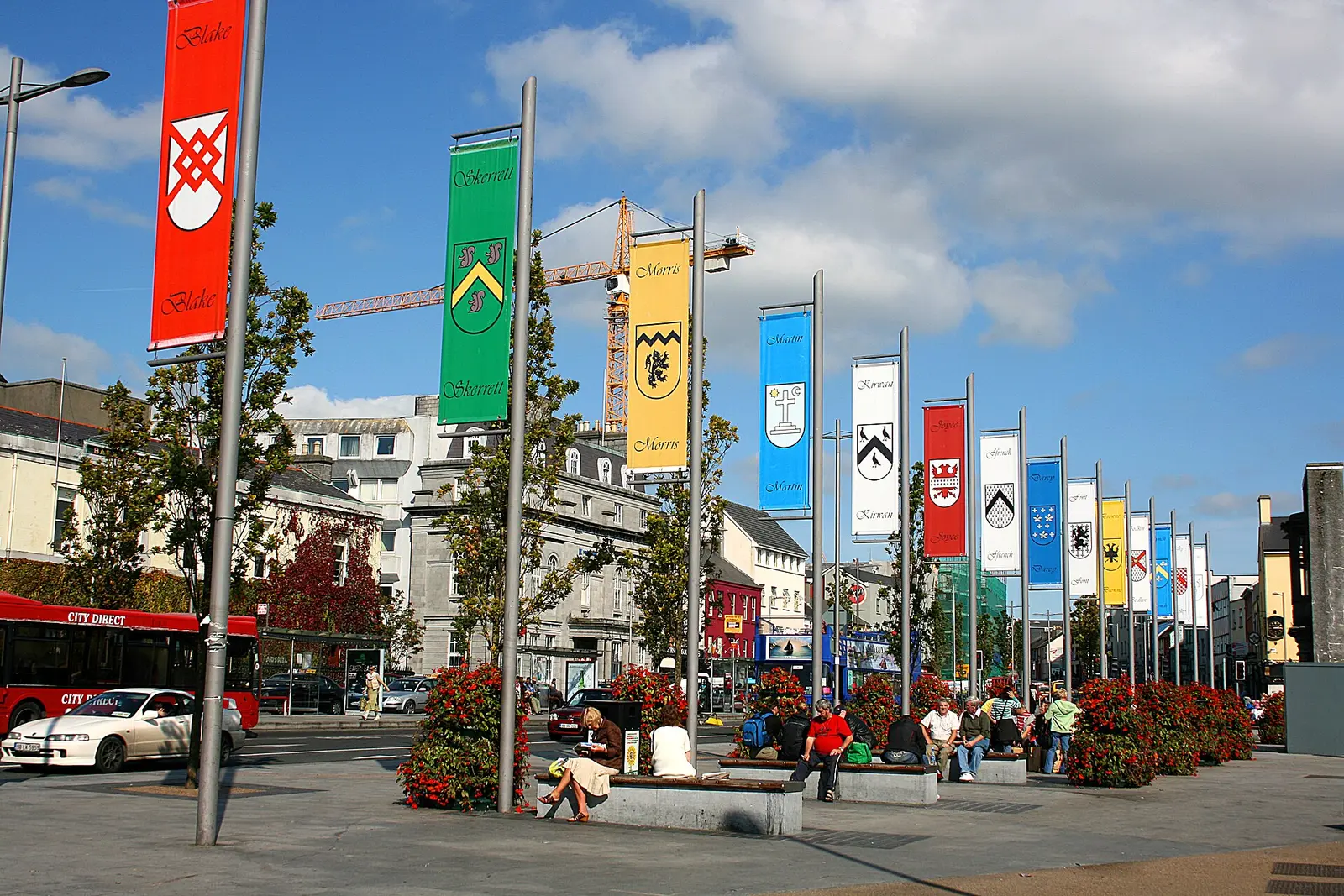
Eyre Square is the park at the heart of Galway, beside the railway station and the top of Shop Street: a medieval green given to the city in 1710,…
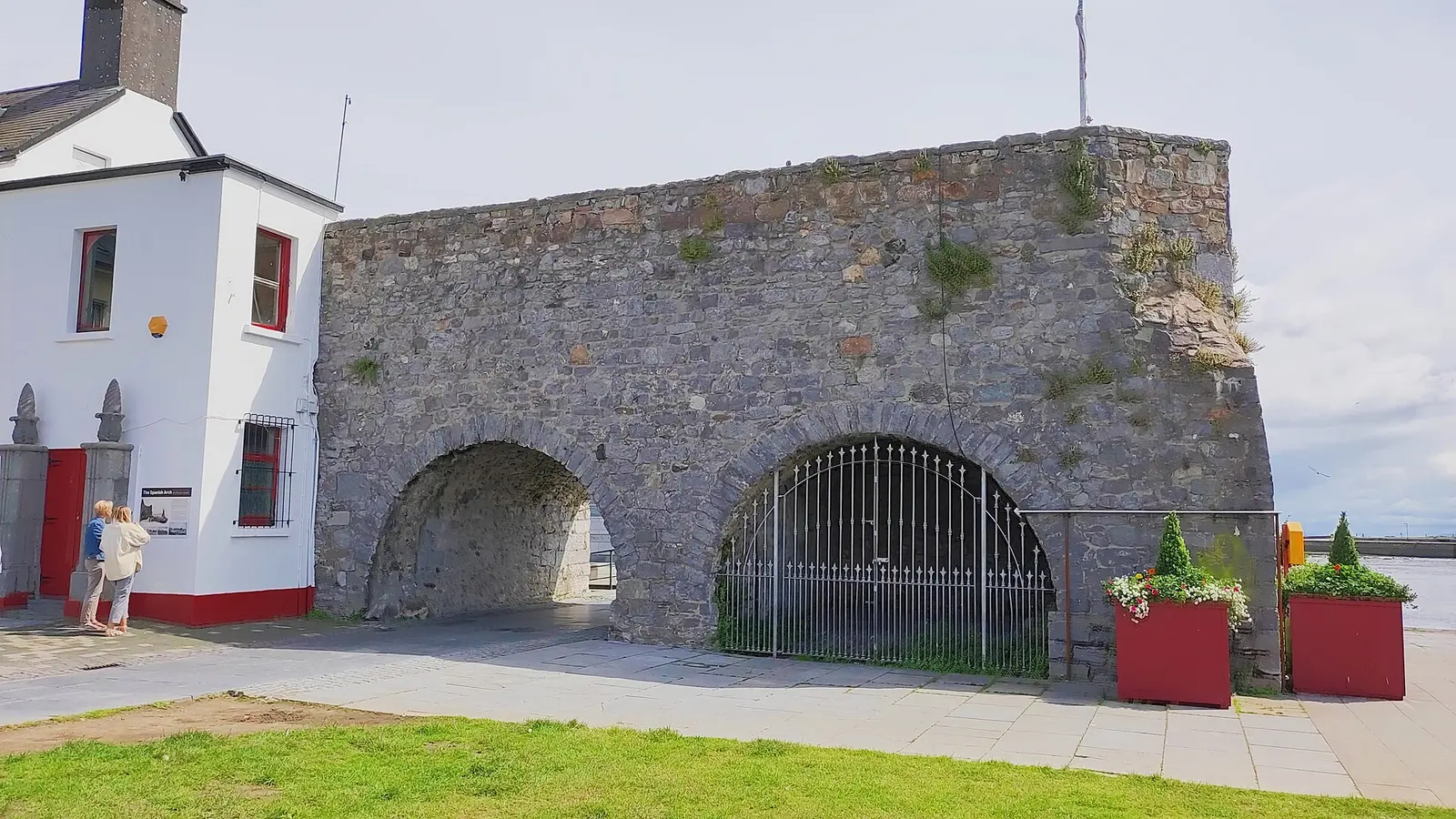
The Spanish Arch and the Blind Arch are the two surviving arches of the wall built in 1584 to guard Galway's quays; the Eyres cut them through in…
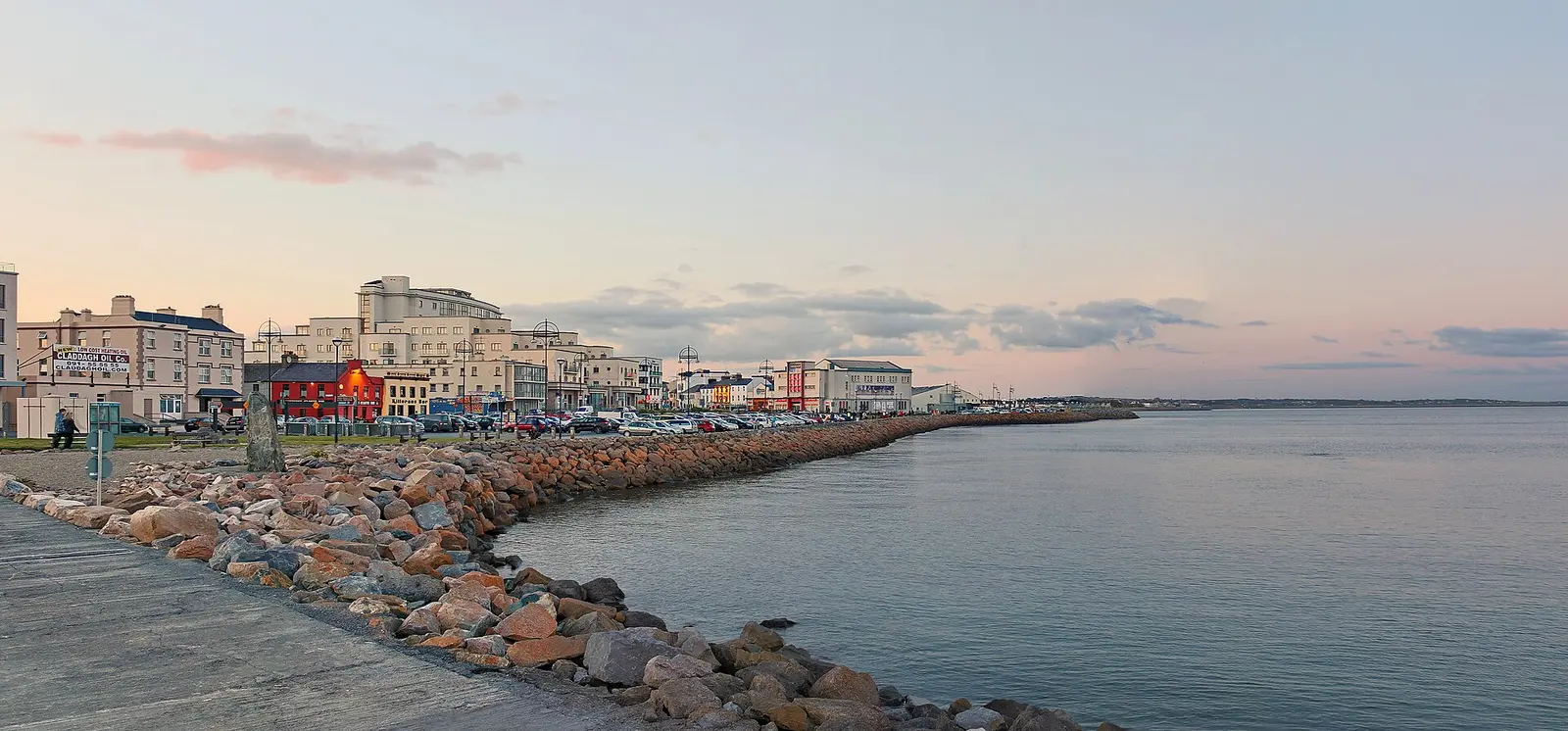
Salthill is Galway's seaside, two kilometres of promenade along Galway Bay south-west of the centre: bathing lodges from the 1830s, a tramway from…
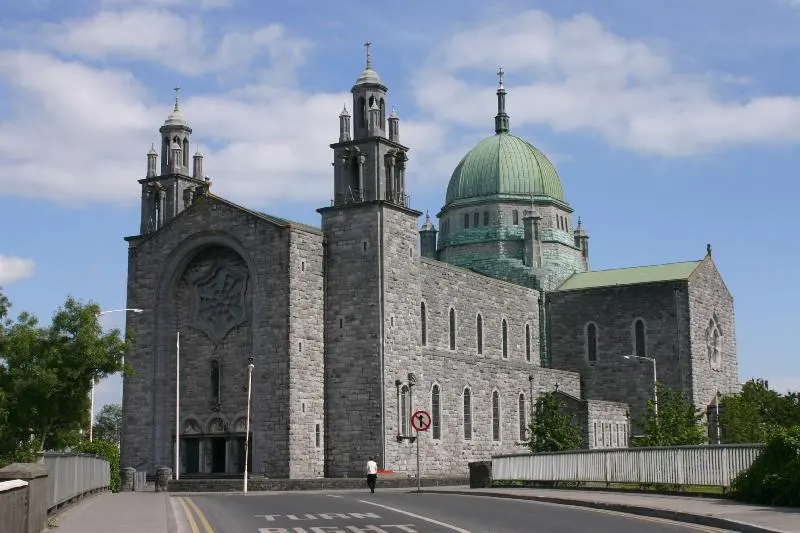
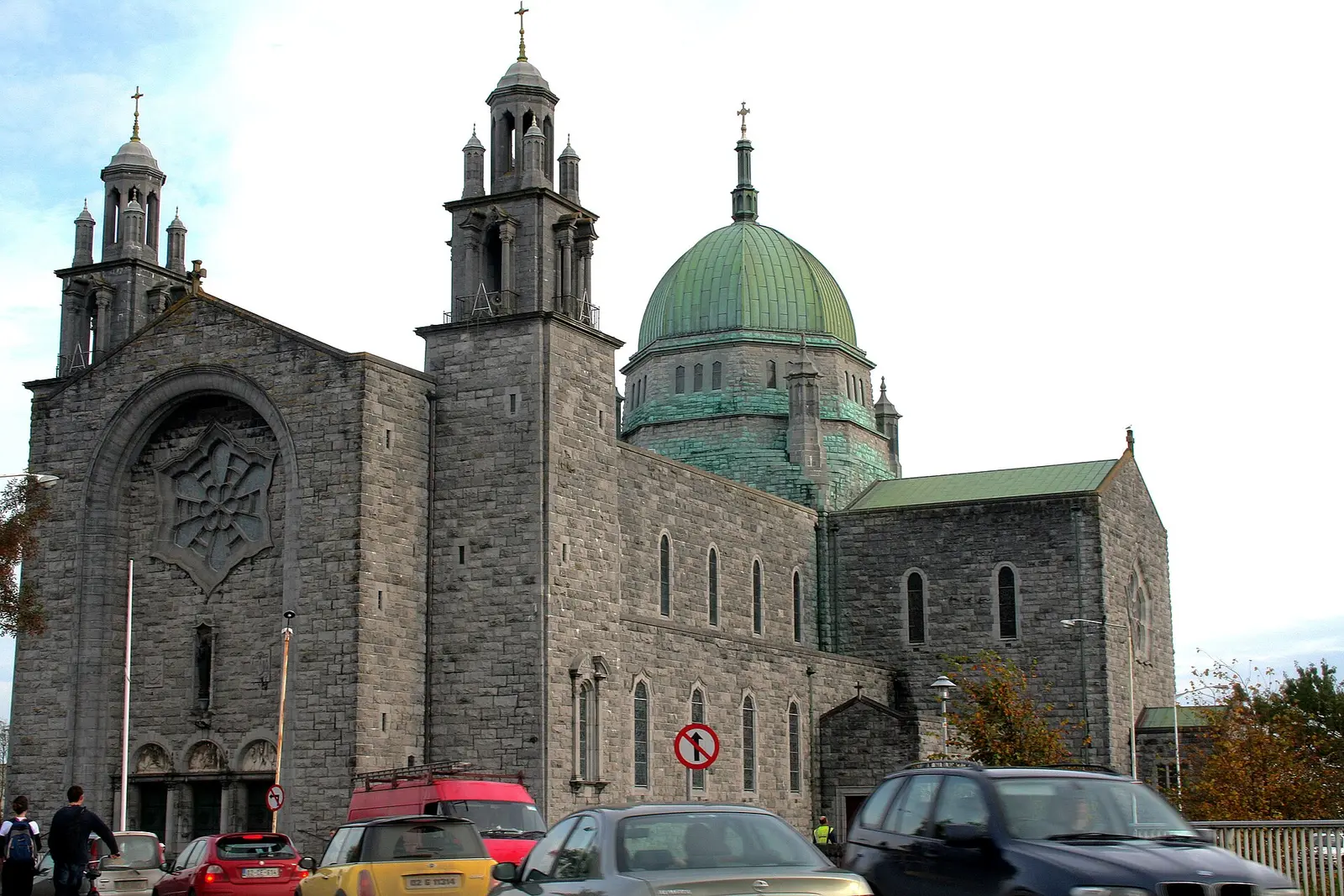
Galway Cathedral, the Cathedral of Our Lady Assumed into Heaven and St Nicholas, was built of local limestone on the site of the old gaol between…
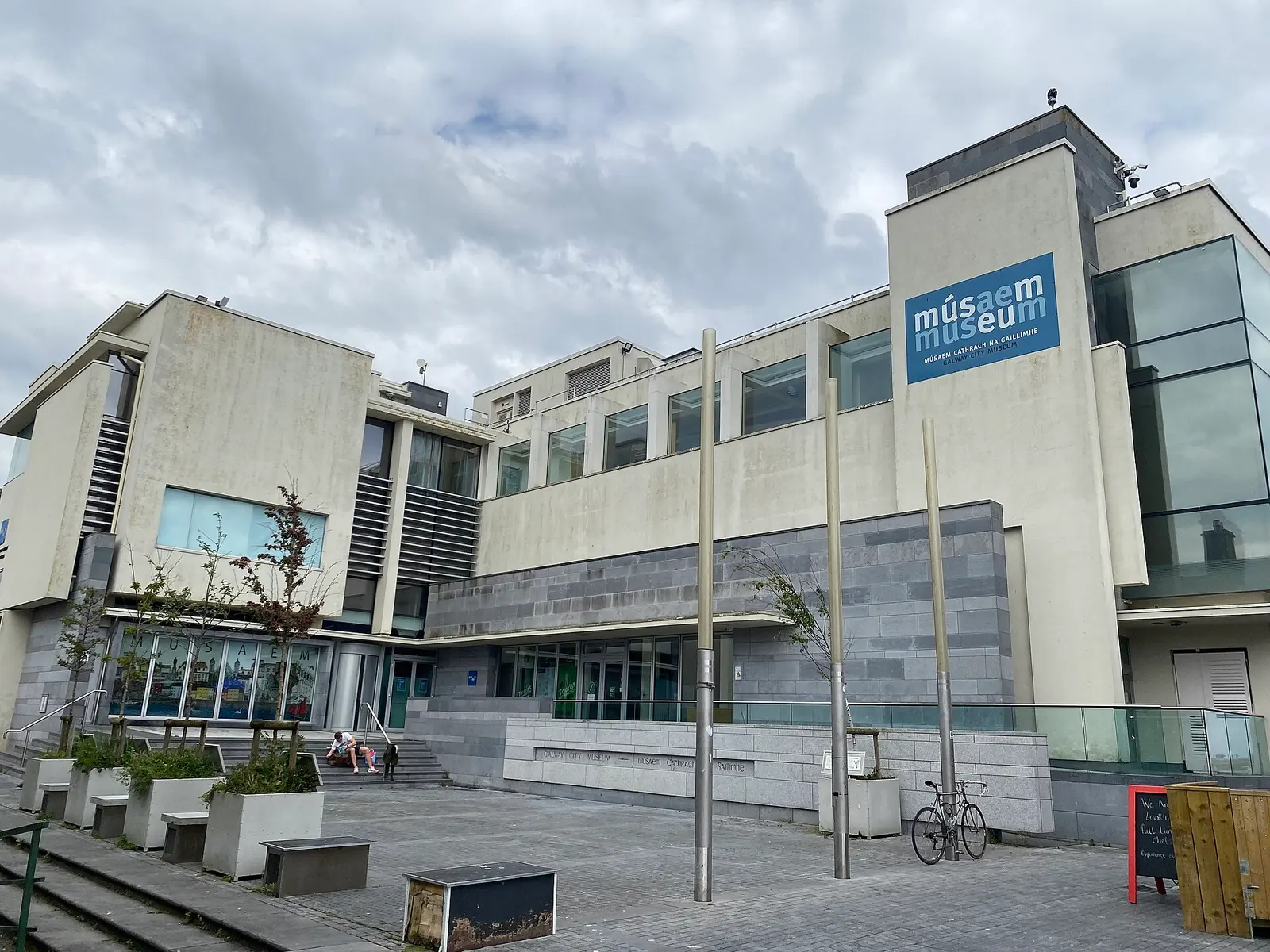
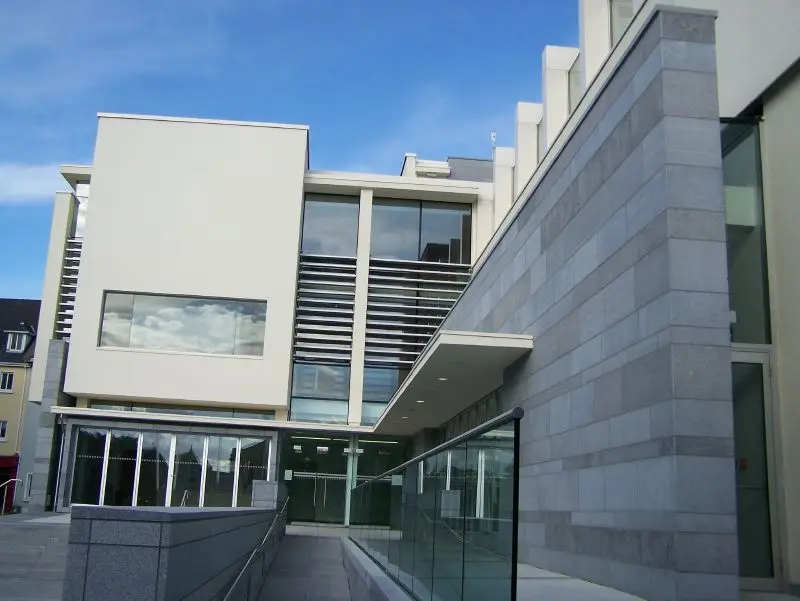
Galway City Museum stands behind the Spanish Arch in a purpose-built home opened in 2007: medieval stones from the Tribes' houses, the civic sword…
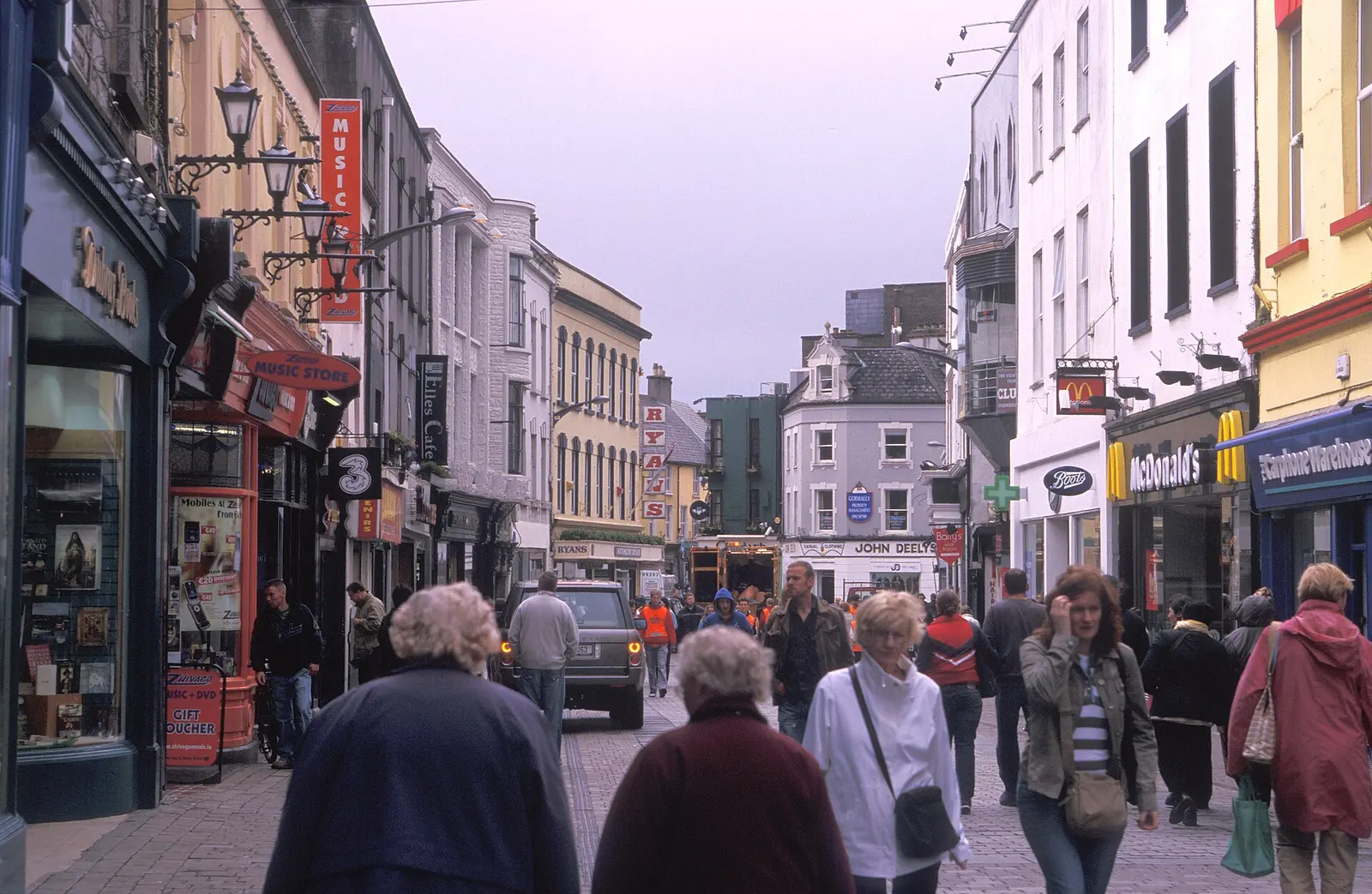
Shop Street is Galway's main street, pedestrianised since the late 1990s and lined with old brick buildings, bright shopfronts, pubs and buskers;…
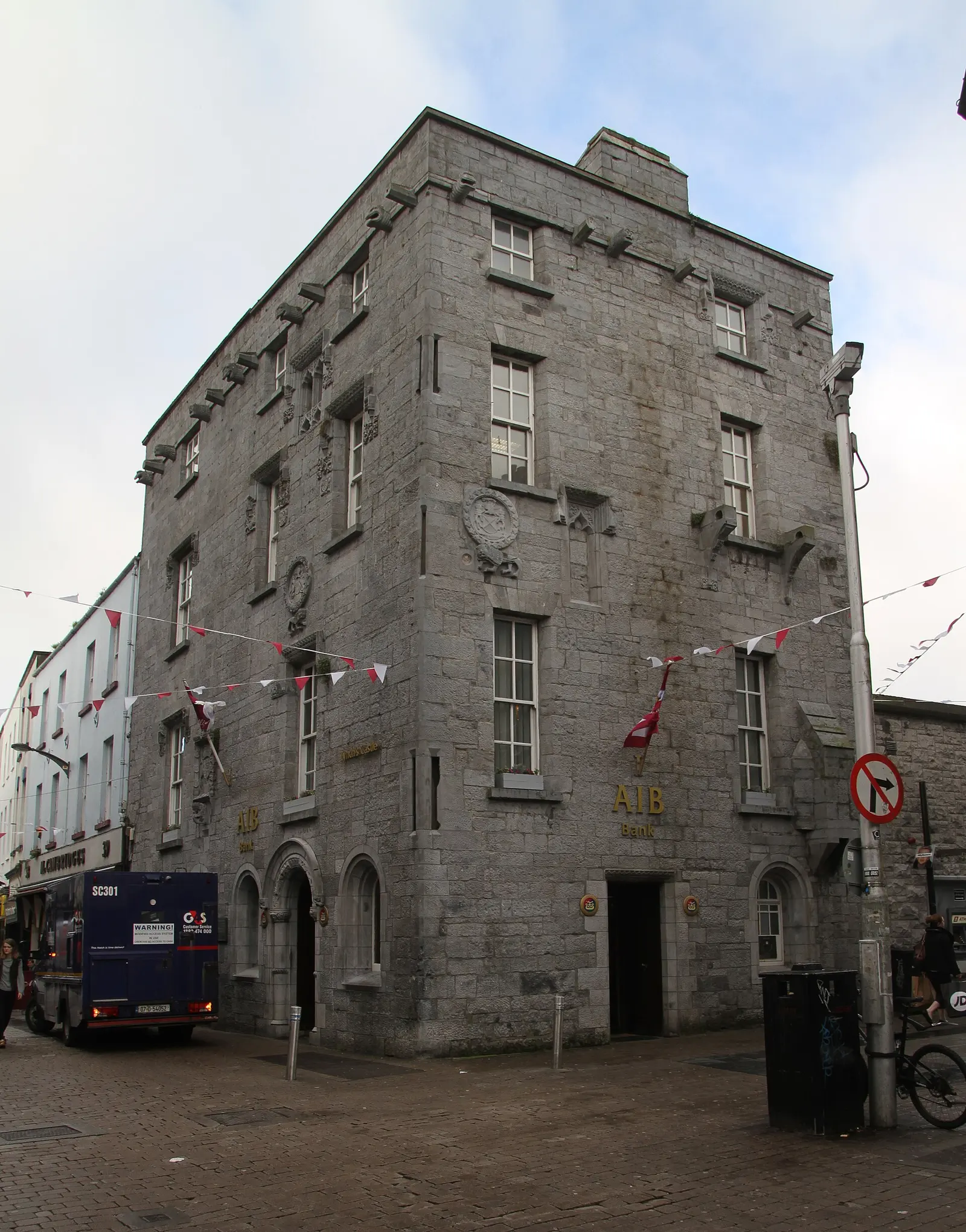
Lynch's Castle on Shop Street is a fortified townhouse of the Lynch family, one of the Tribes of Galway, built in the 15th or early 16th century…
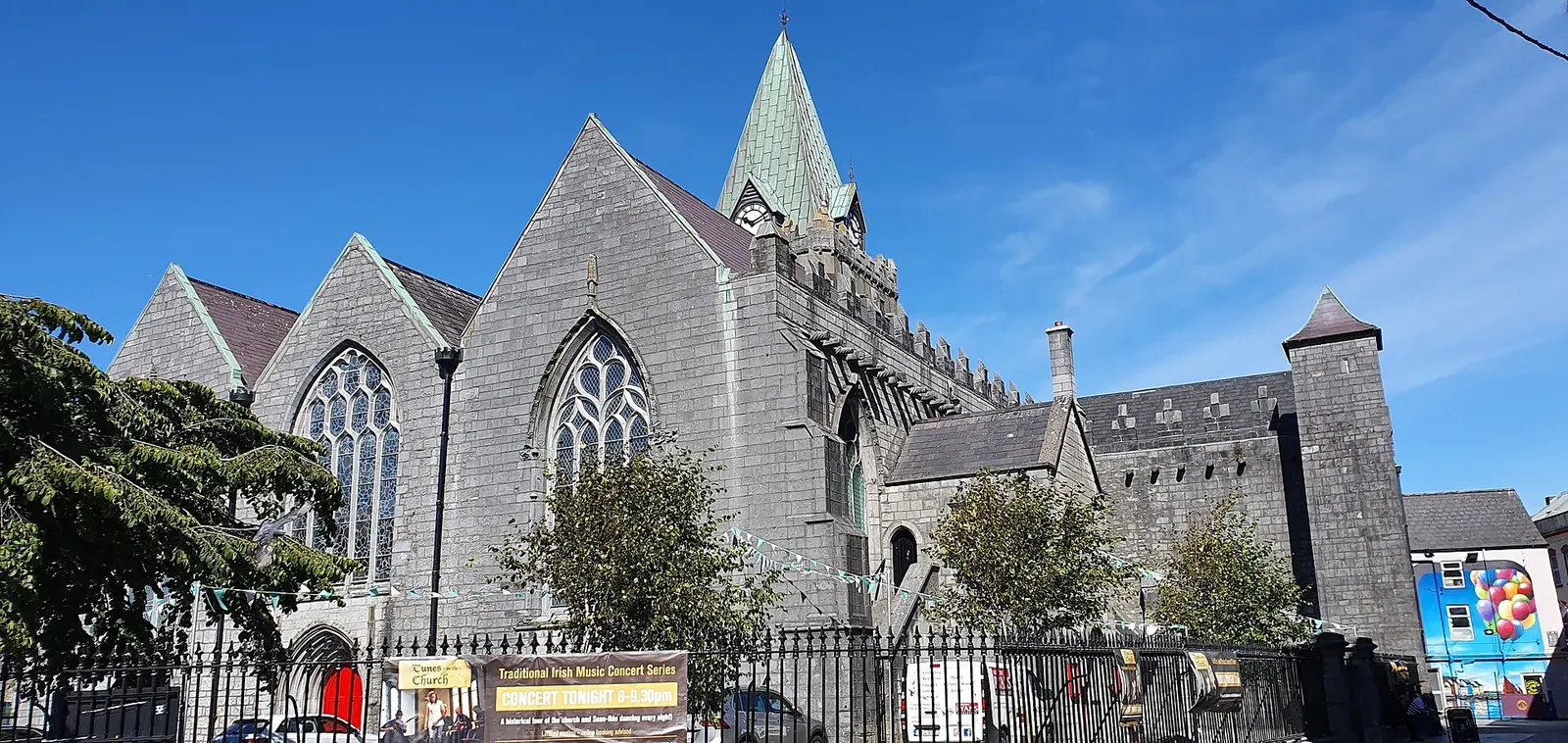
The Collegiate Church of St Nicholas, founded in 1320 and dedicated to the patron of seafarers, is Galway's medieval parish church: raised to…
The Claddagh is the old fishing village where the Corrib meets Galway Bay, across the river from the Spanish Arch: thatched cottages until the…
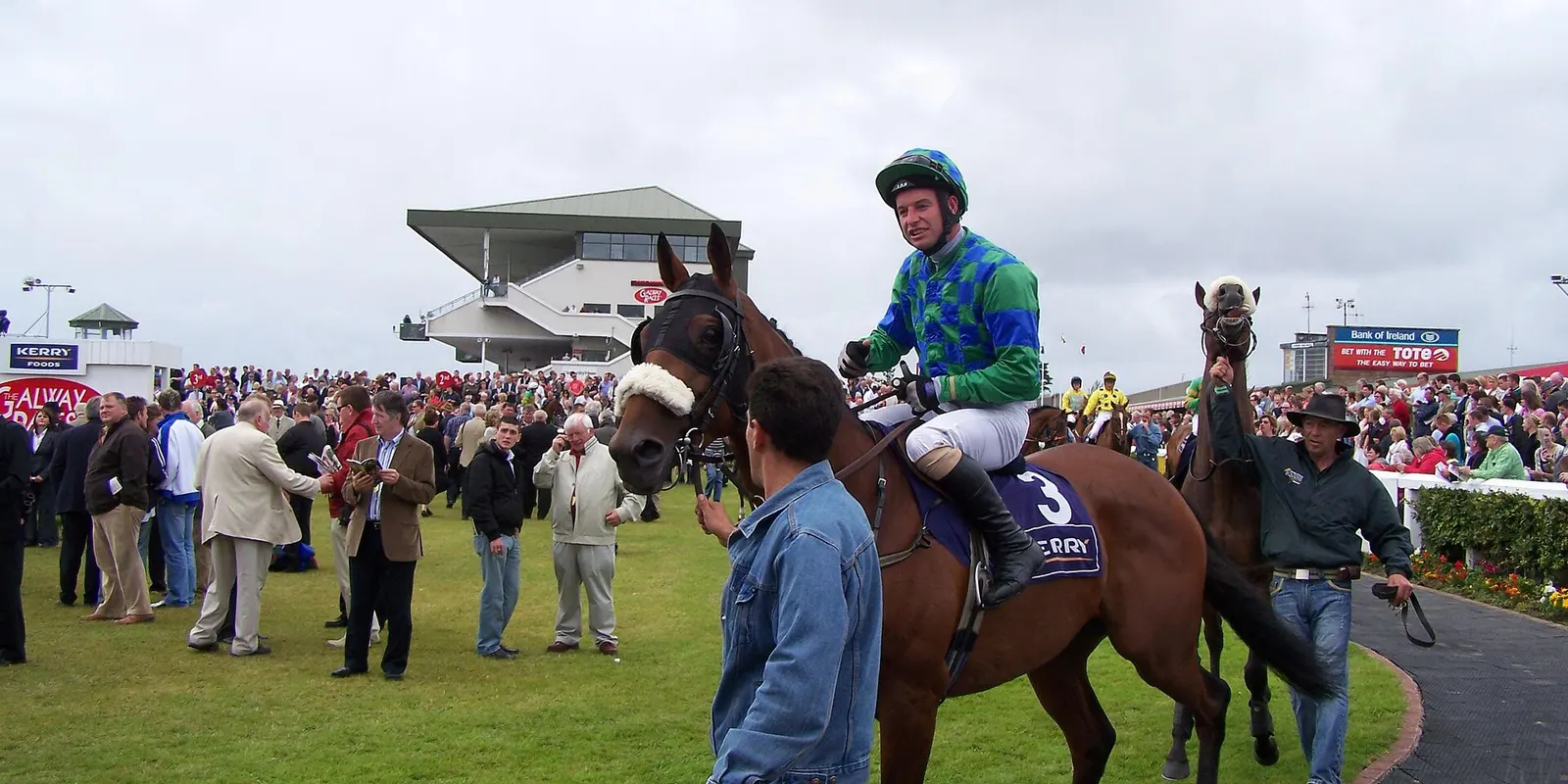
The Galway Races run for seven days from the last Monday of July at Ballybrit, with the Galway Plate on the Wednesday and the Galway Hurdle and…
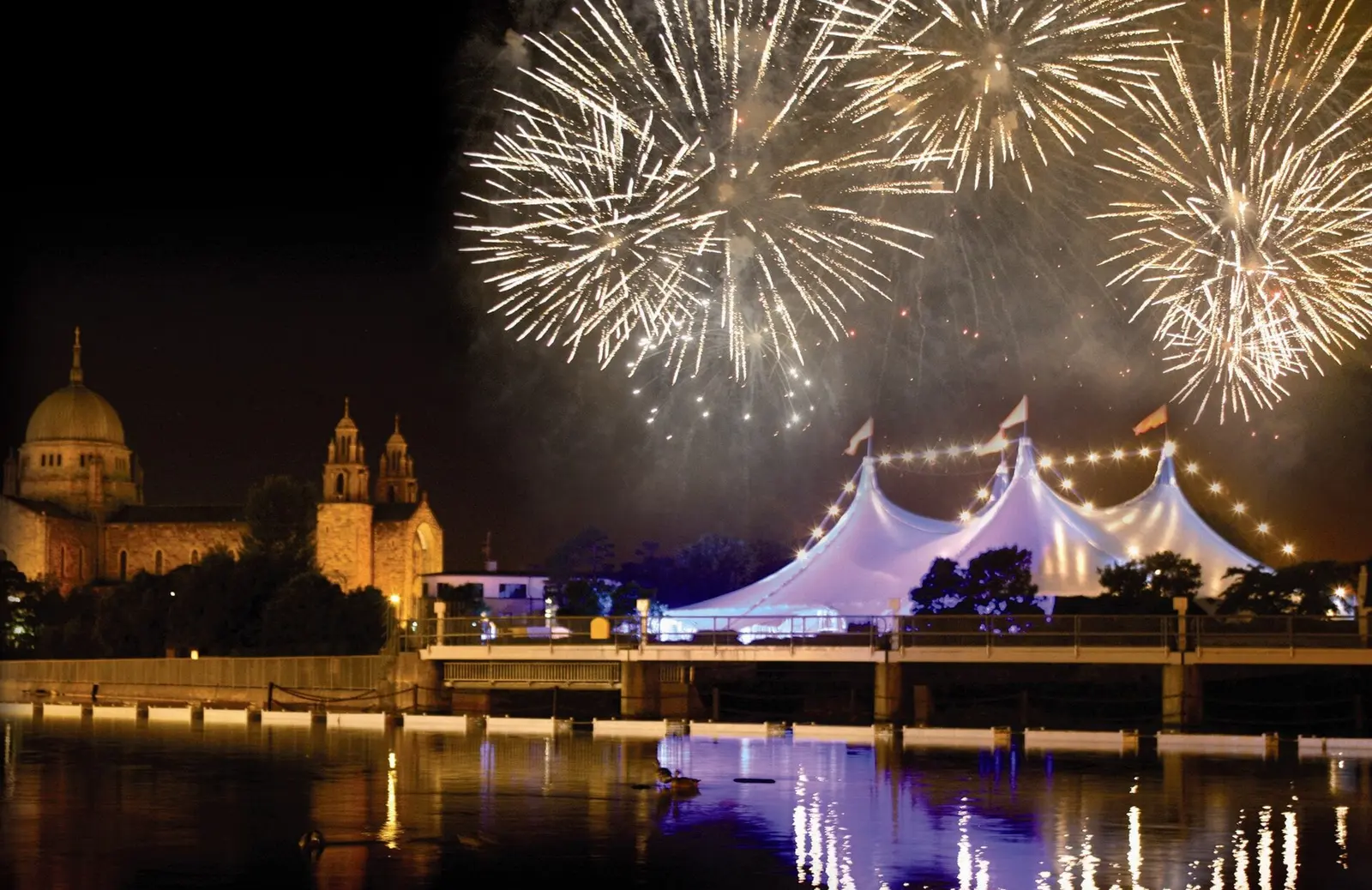
The Galway International Arts Festival fills the city for two weeks in late July: theatre, music in the Big Top on the Fisheries Field, visual…
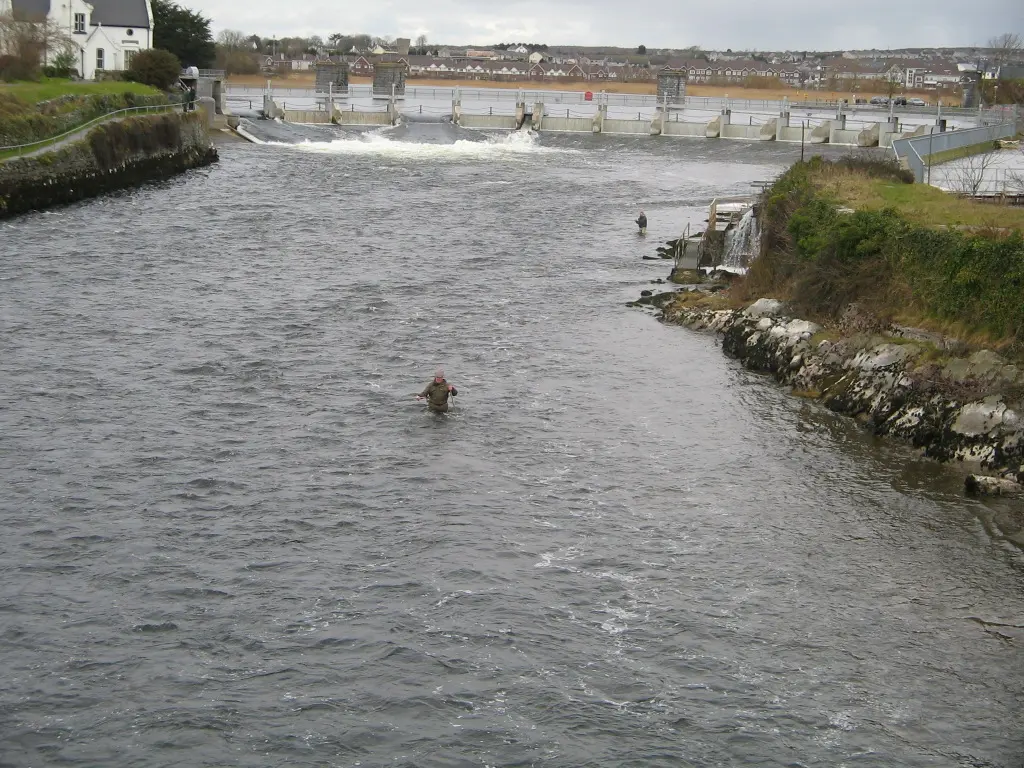
The Corrib runs only six kilometres from Lough Corrib through Galway to the bay, yet by flow it is Ireland's second river after the Shannon; it…
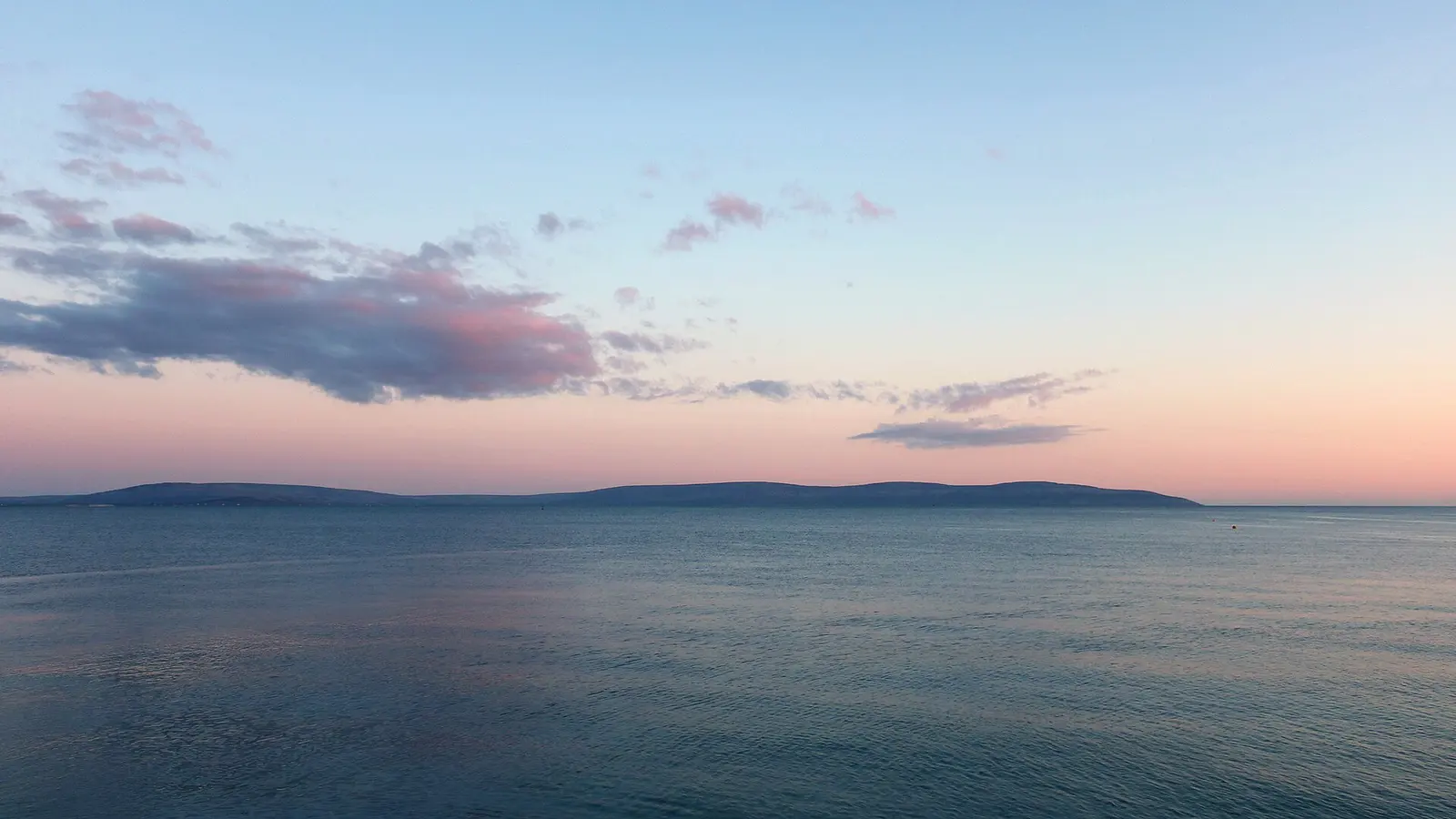
Galway Bay runs 50 km from the city to the Aran Islands, between Connemara's granite and the Burren's limestone: four sounds through the islands,…
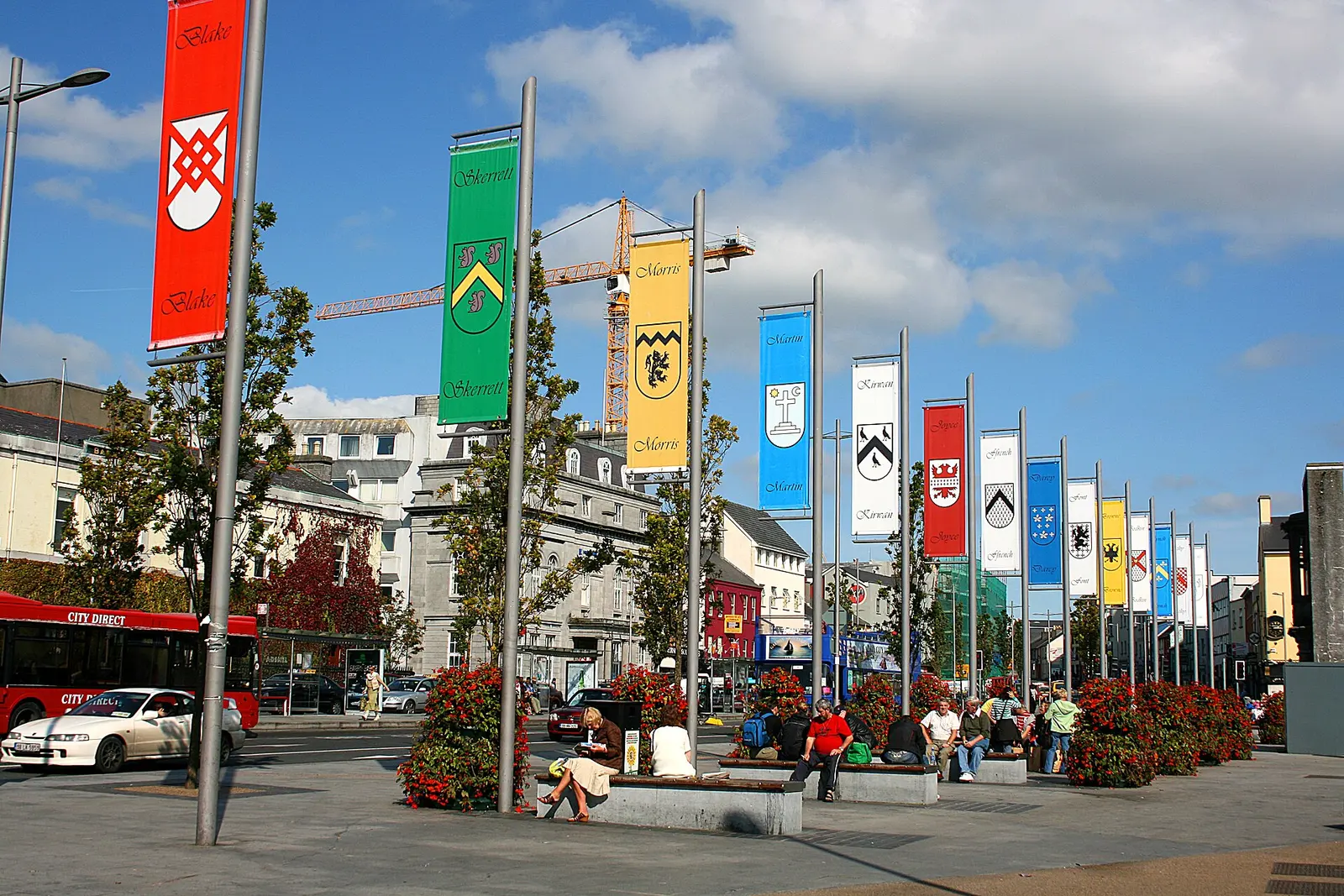
The Tribes of Galway were the 14 merchant families, Athy, Blake, Bodkin, Browne, Darcy, Deane, Font, French, Joyce, Kirwan, Lynch, Martin, Morris…
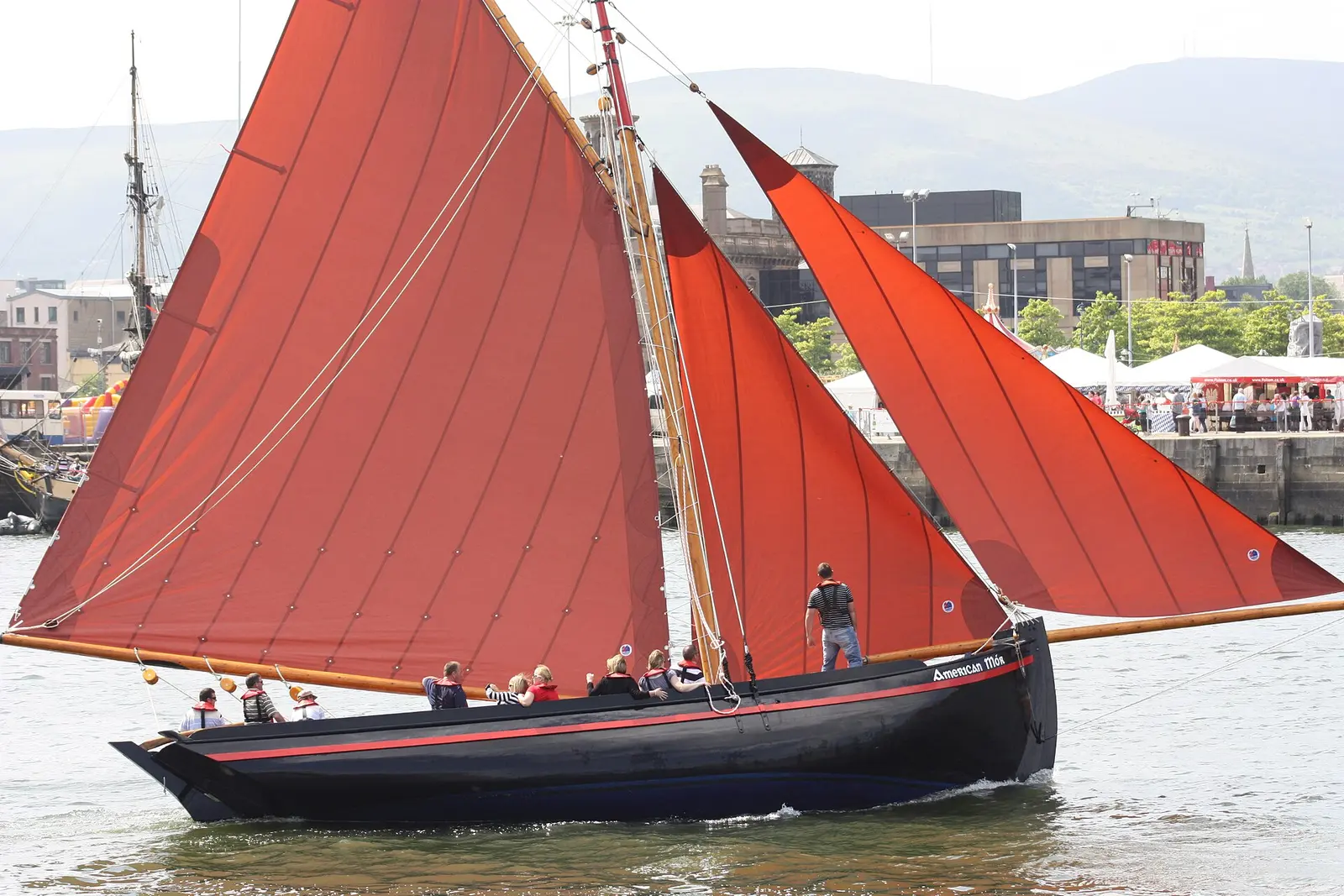
The Galway hooker is the traditional sailing boat of Galway Bay: black hull, rust-red sails, one mast, built for rough water. Four classes from…
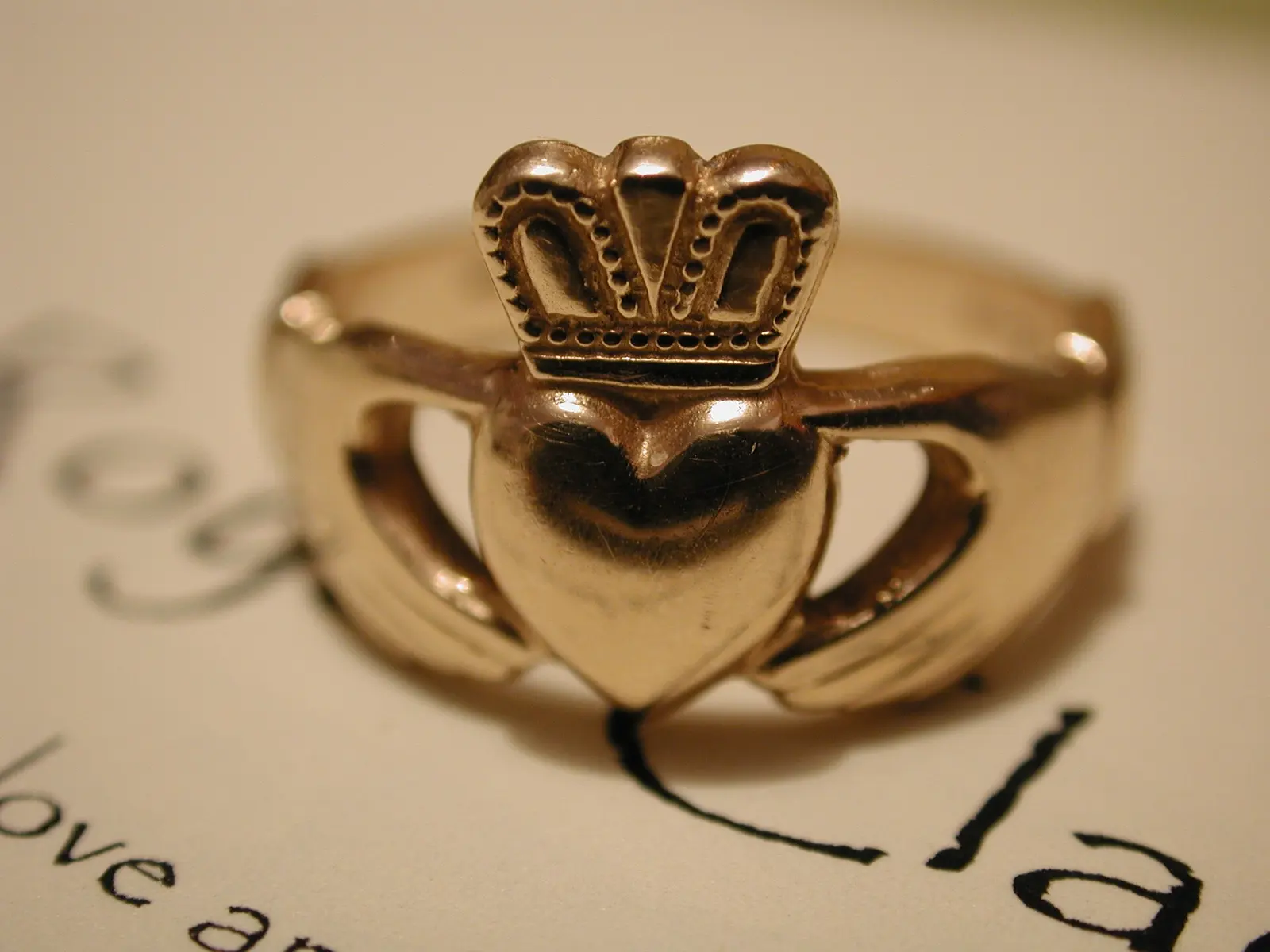
The Claddagh ring shows two hands holding a crowned heart: love, loyalty and friendship. Made in Galway since at least 1700 and named for the…
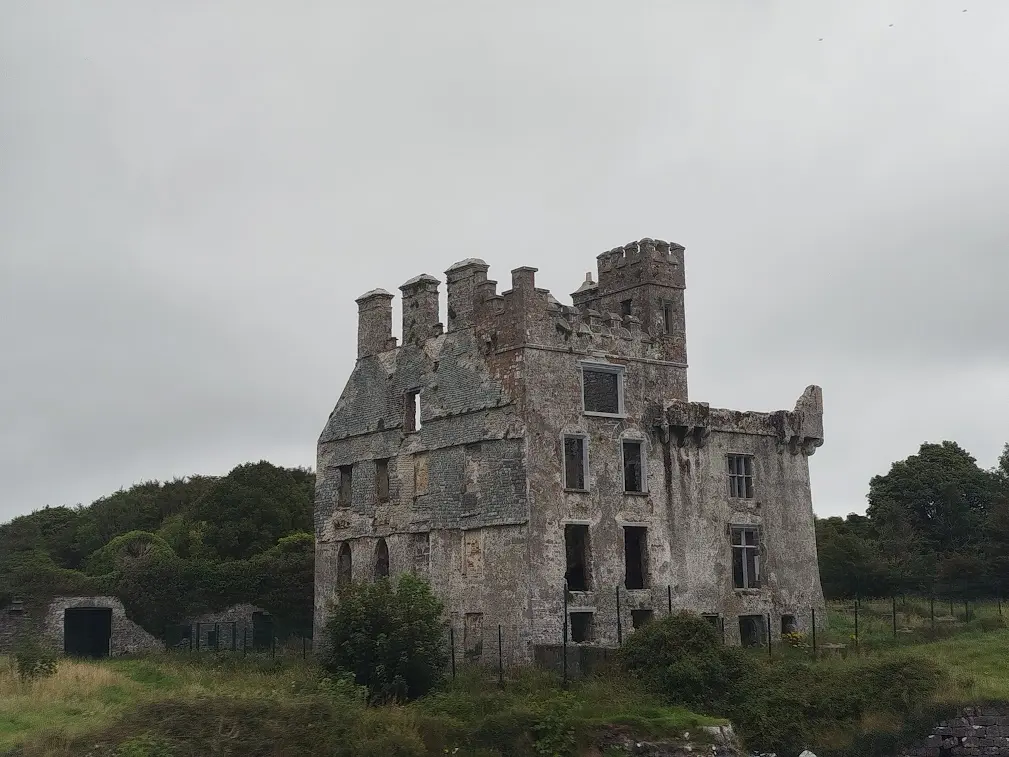
Menlo Castle, or Blake's Castle, is the ivy-covered ruin on the east bank of the Corrib above Galway: a 16th-century tower house of 1569 extended…
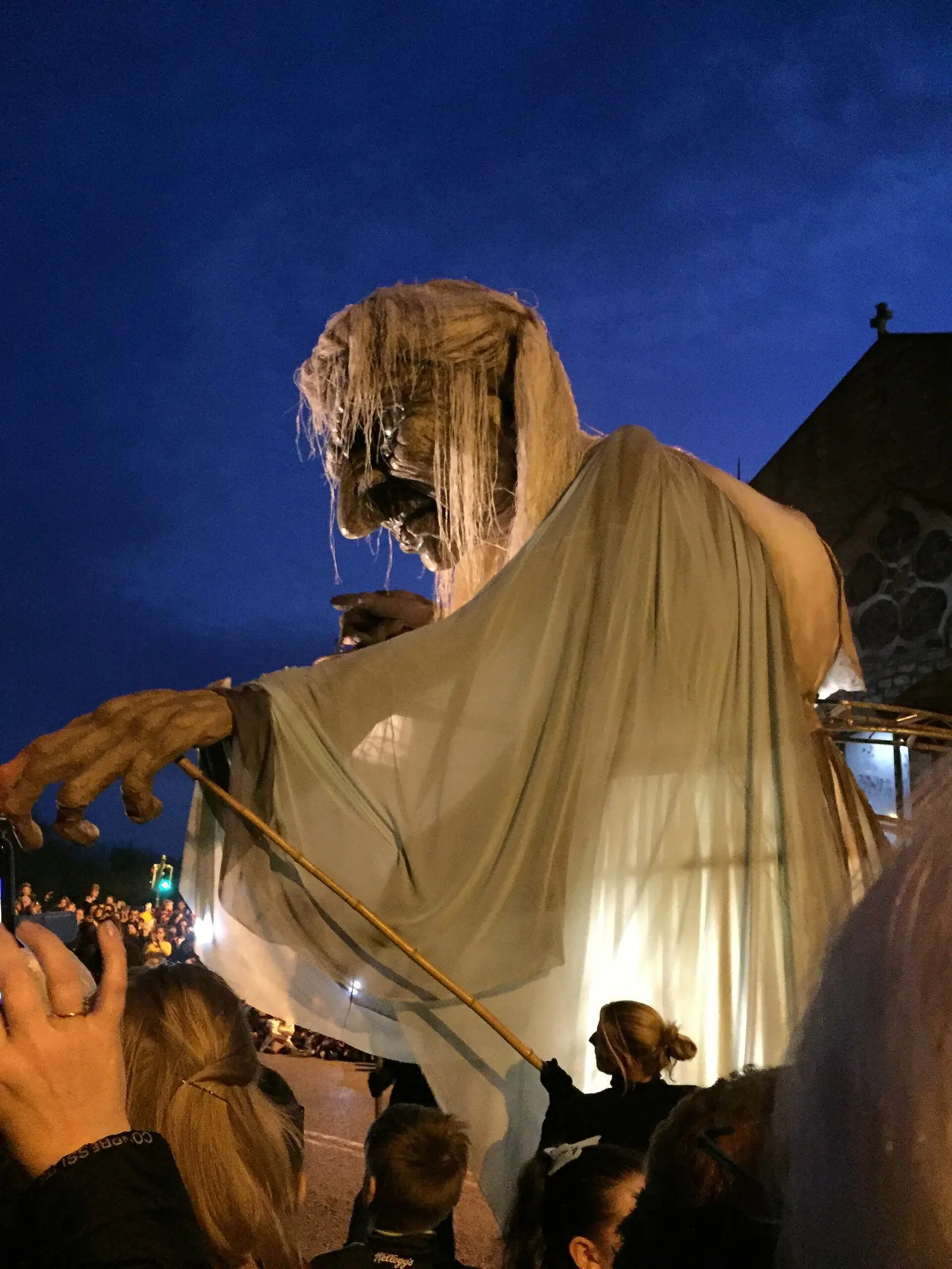
Macnas is the Galway spectacle company founded in 1986 whose parades of giant puppets and drummers fill the streets at Halloween and St Patrick's…
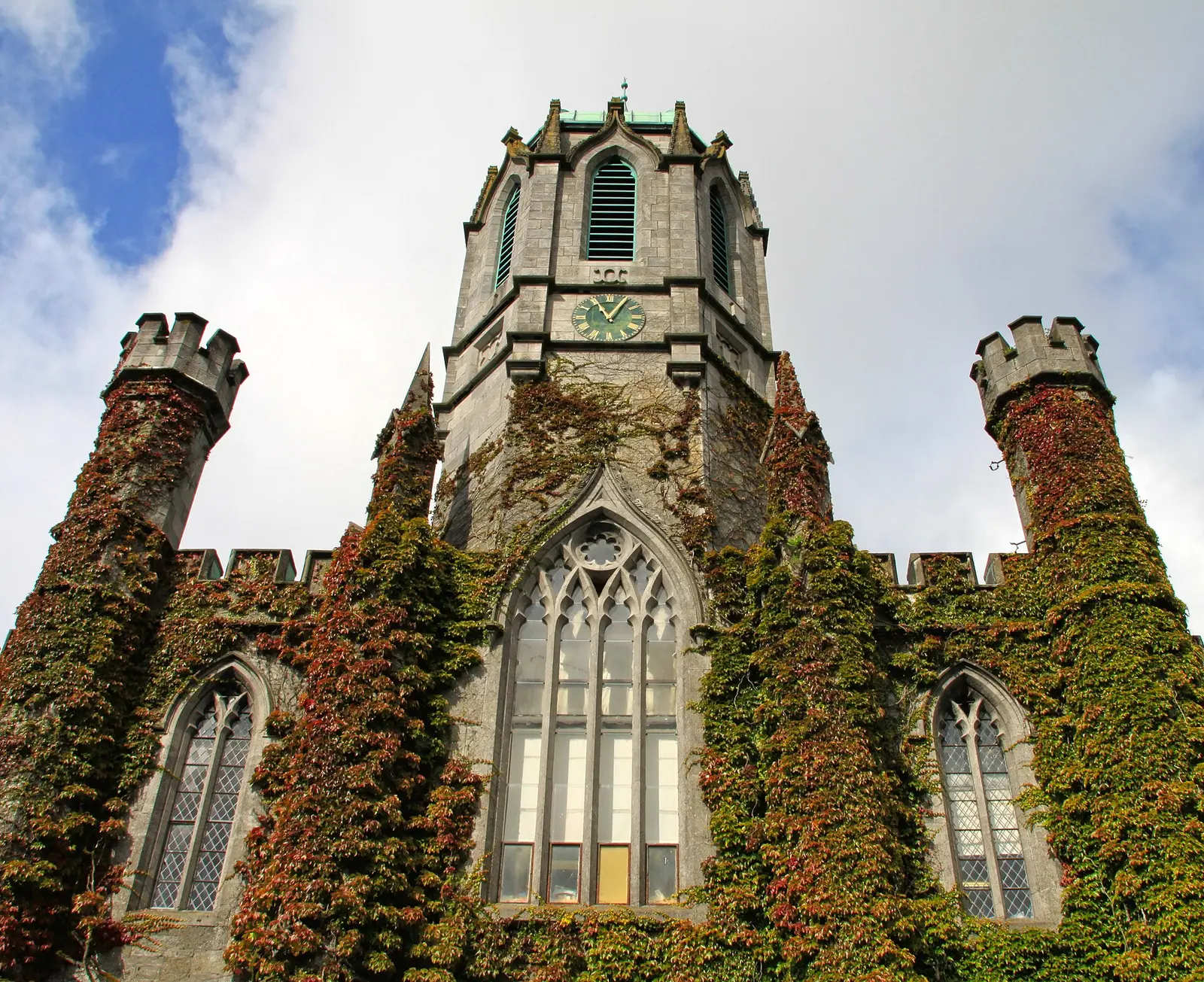
The University of Galway opened in 1849 as Queen's College with 68 students; its Tudor Gothic Quadrangle by the Corrib copies Christ Church,…
The Galway Film Fleadh is Ireland's leading film festival, held every July since 1989: the place Irish films premiere, the Galway Film Fair for…
Pearse Stadium on Dr Mannix Road in Salthill is Galway GAA's principal ground: opened on 16 June 1957 on a bog filled with Corrib dredgings,…
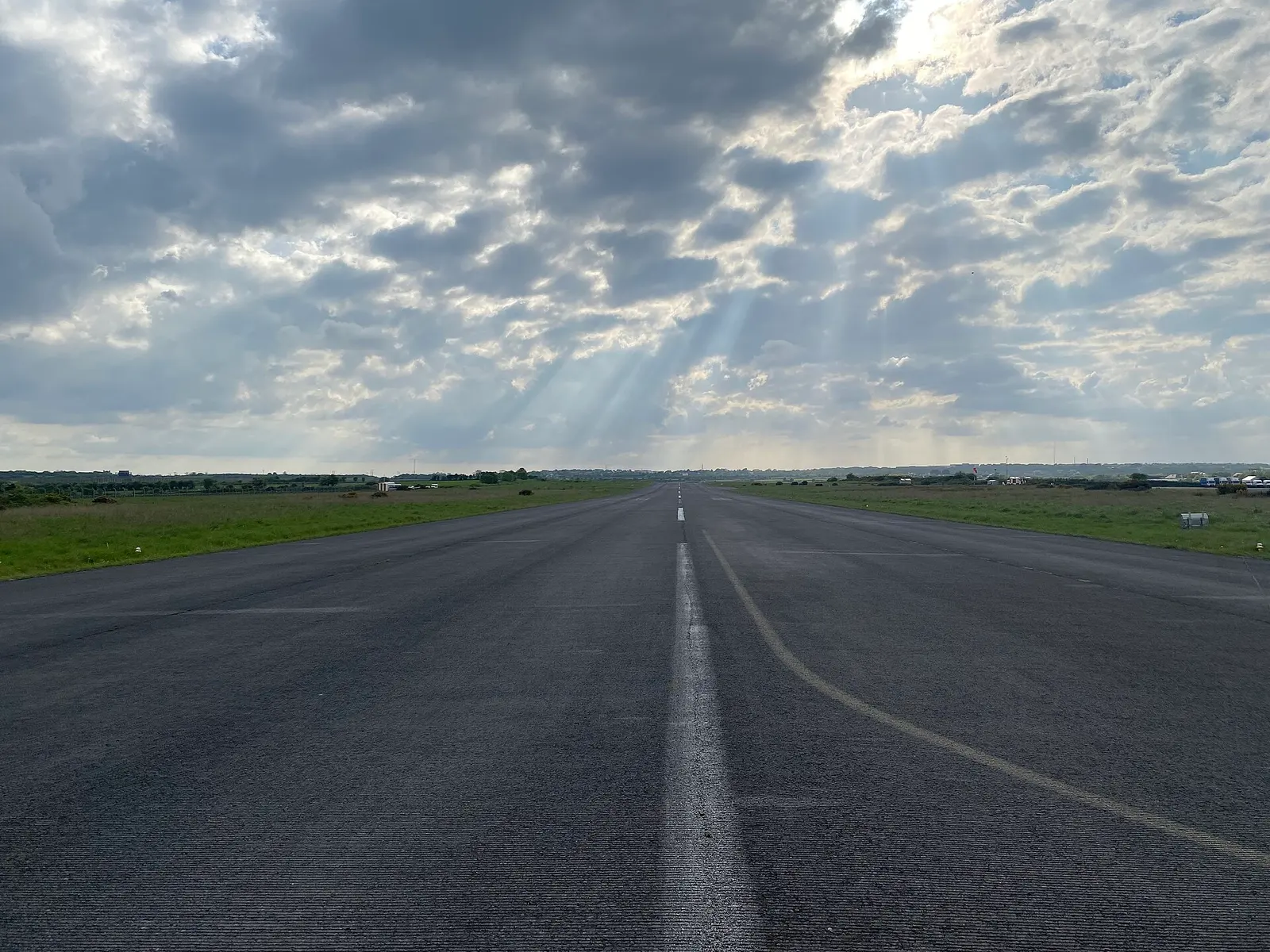
Galway Airport at Carnmore, 7 km east of the city, has had no scheduled flights since Aer Arann stopped on 31 October 2011; its 1,289-metre runway…
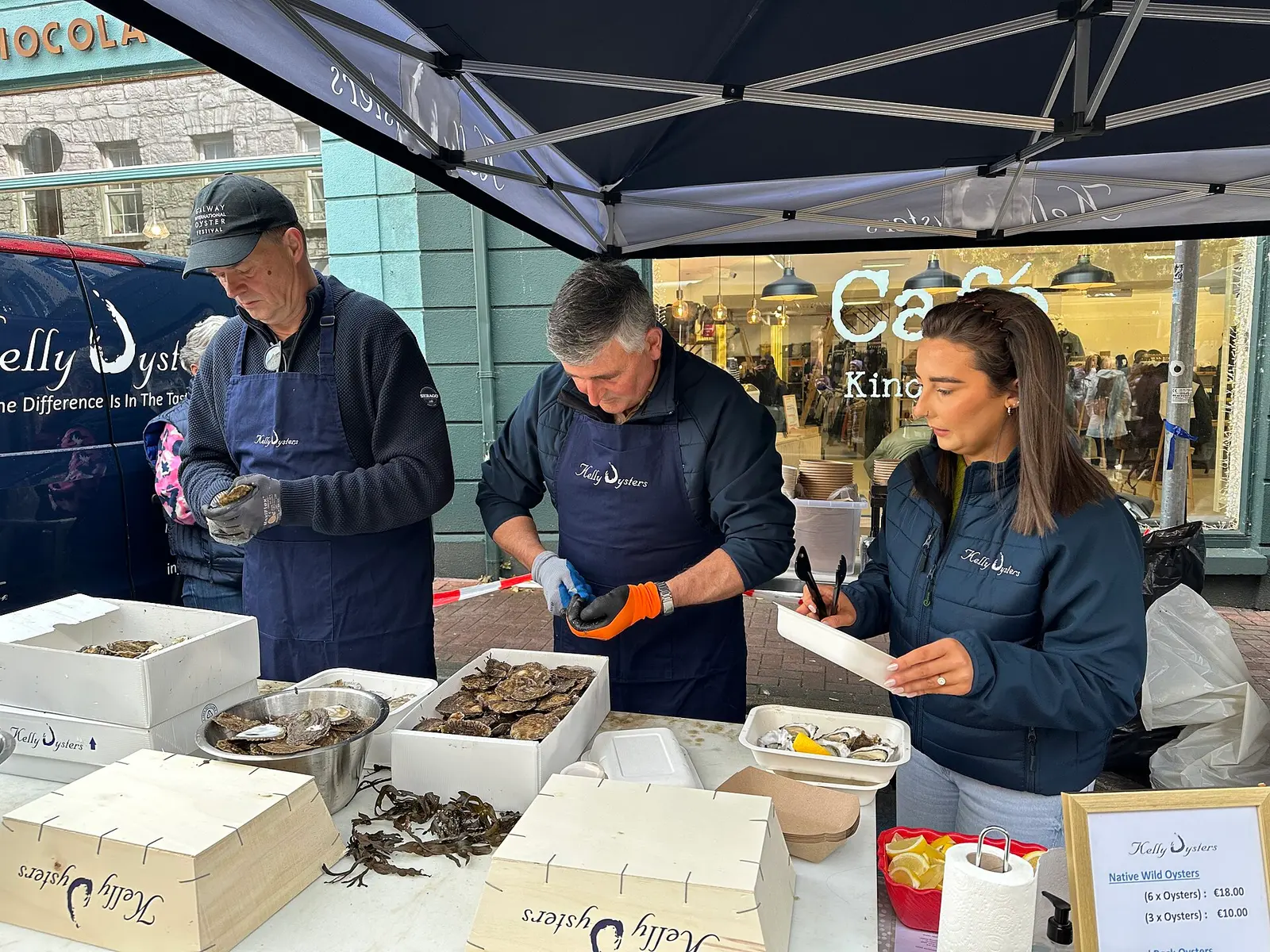
The Galway International Oyster Festival runs on the last weekend of September, the first month of the oyster season: started in 1954 by hotel…
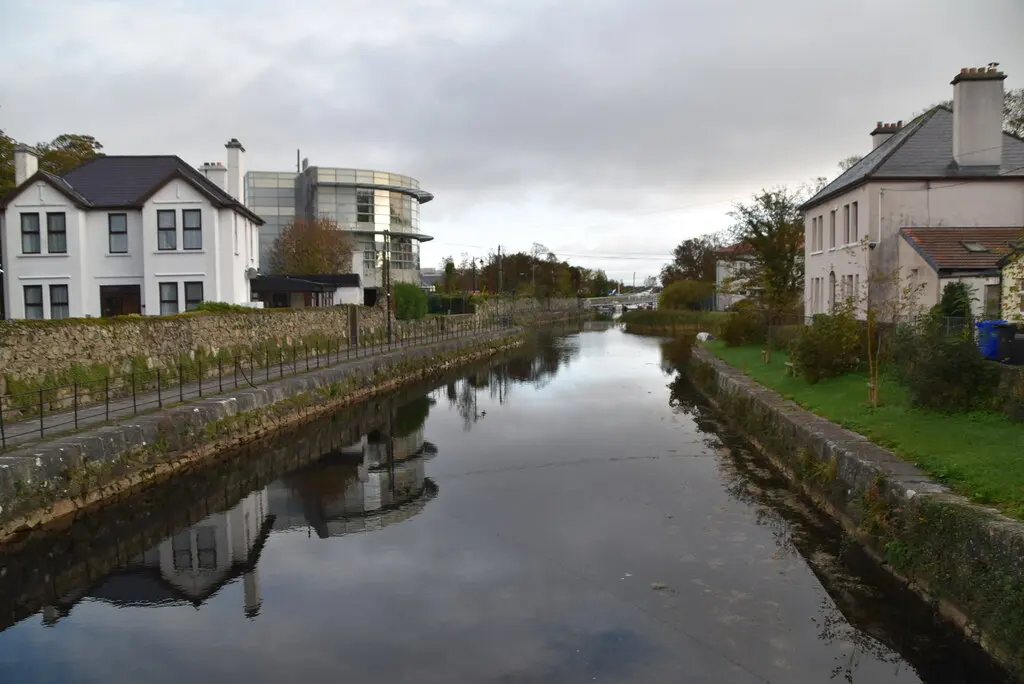
The Eglinton Canal links Galway to Lough Corrib: proposed by Alexander Nimmo in 1822, dug from 1848 to 1852 as Famine relief with two locks and…
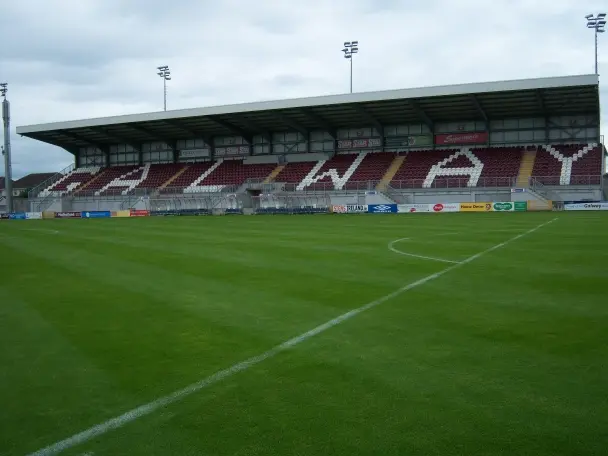
Galway United, the Tribesmen, play in the League of Ireland Premier Division at Eamonn Deacy Park in Terryland: founded in the Claddagh as Galway…
Connacht Rugby is the western province's professional team, based at the 12,000-capacity Galway Greyhound Stadium, the Sportsground: a branch…
Galway GAA runs Gaelic games across the county from Pearse Stadium in Salthill: one of the few dual counties, once with separate hurling and…
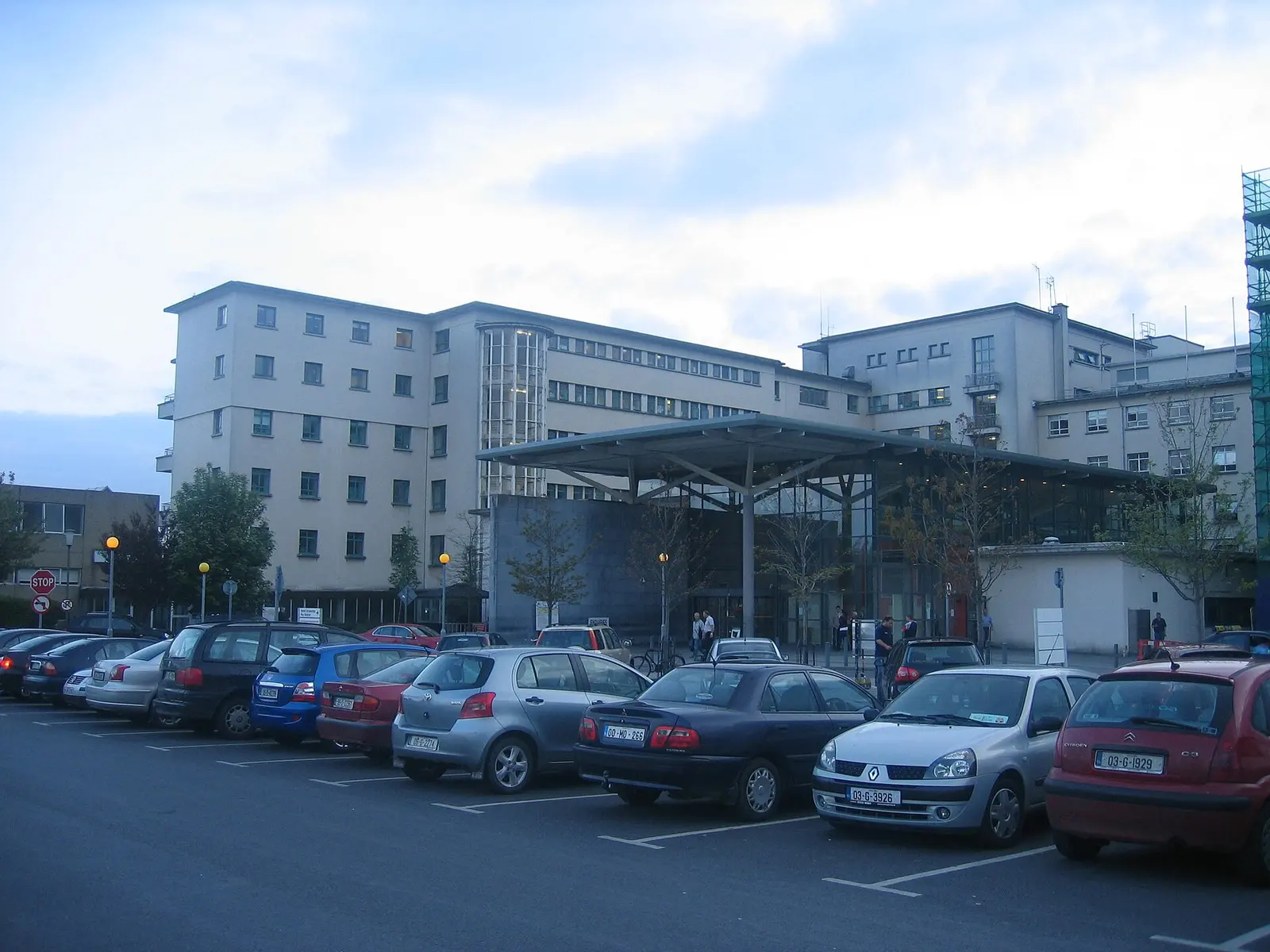
University Hospital Galway on Newcastle Road is the Saolta group's Model 4 hospital for the west: born as Galway Central Hospital in 1924, rebuilt…
Galway County Council, Comhairle Chontae na Gaillimhe, is the local authority for County Galway outside the city: set up on 1 April 1899, 39…
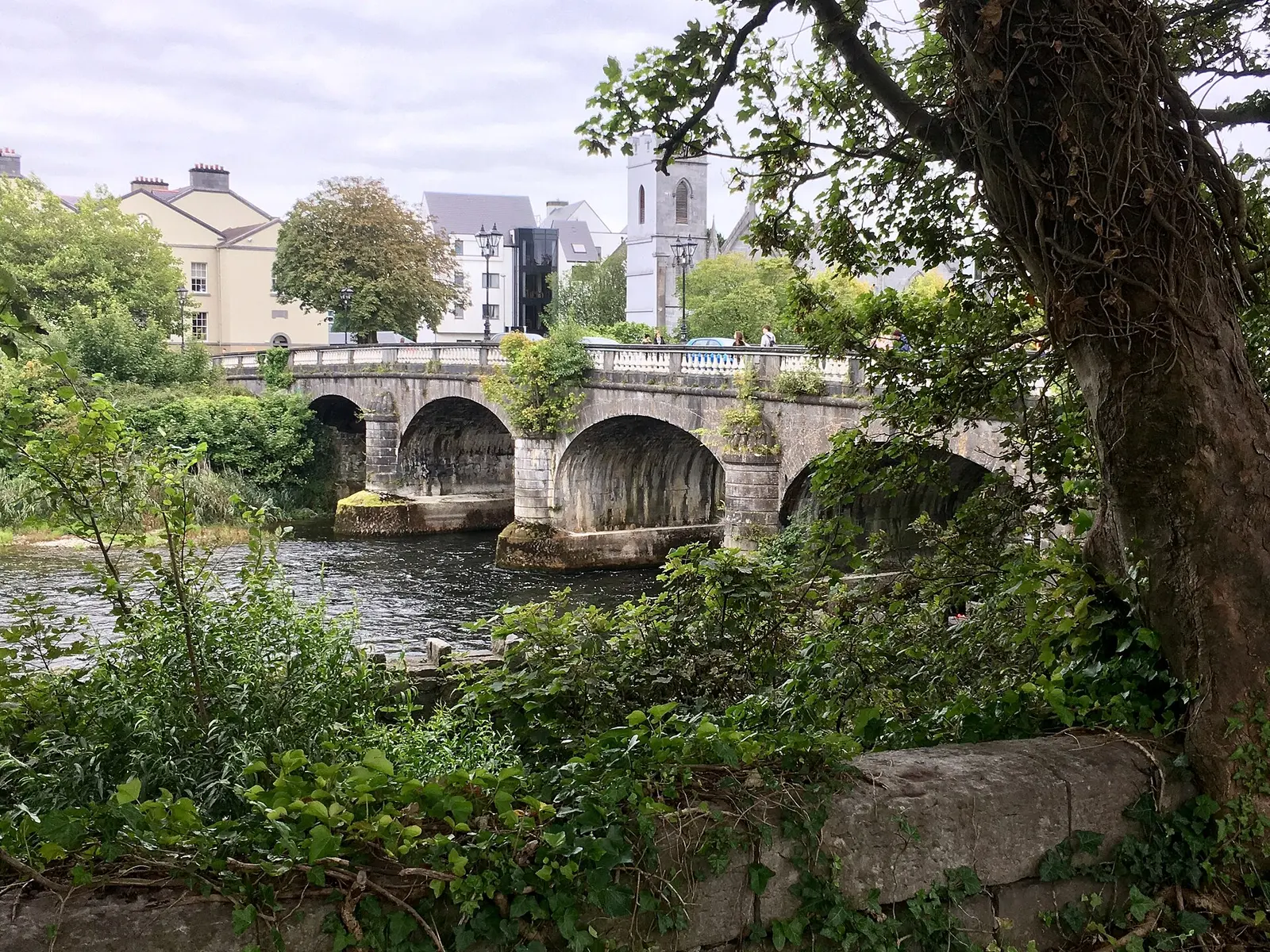
The Salmon Weir Bridge crosses the Corrib beside the cathedral: designed by William Vitruvius Morrison to link the new courthouse to the new gaol…
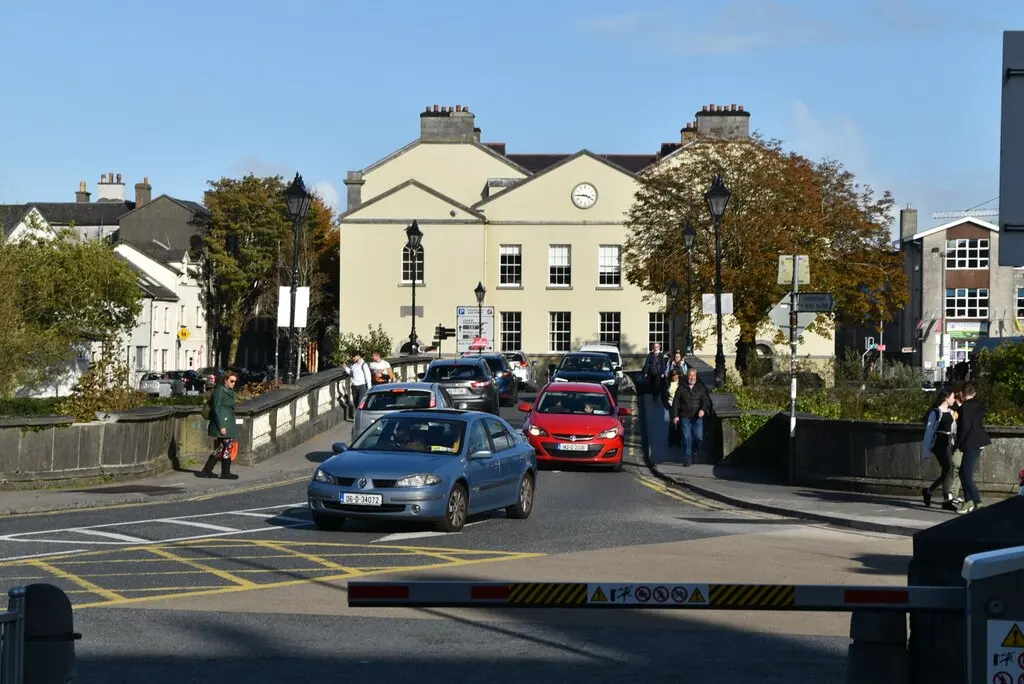
Galway Courthouse on Courthouse Square was designed by Sir Richard Morrison in the neoclassical style, begun in 1812 and opened on 1 April 1815,…
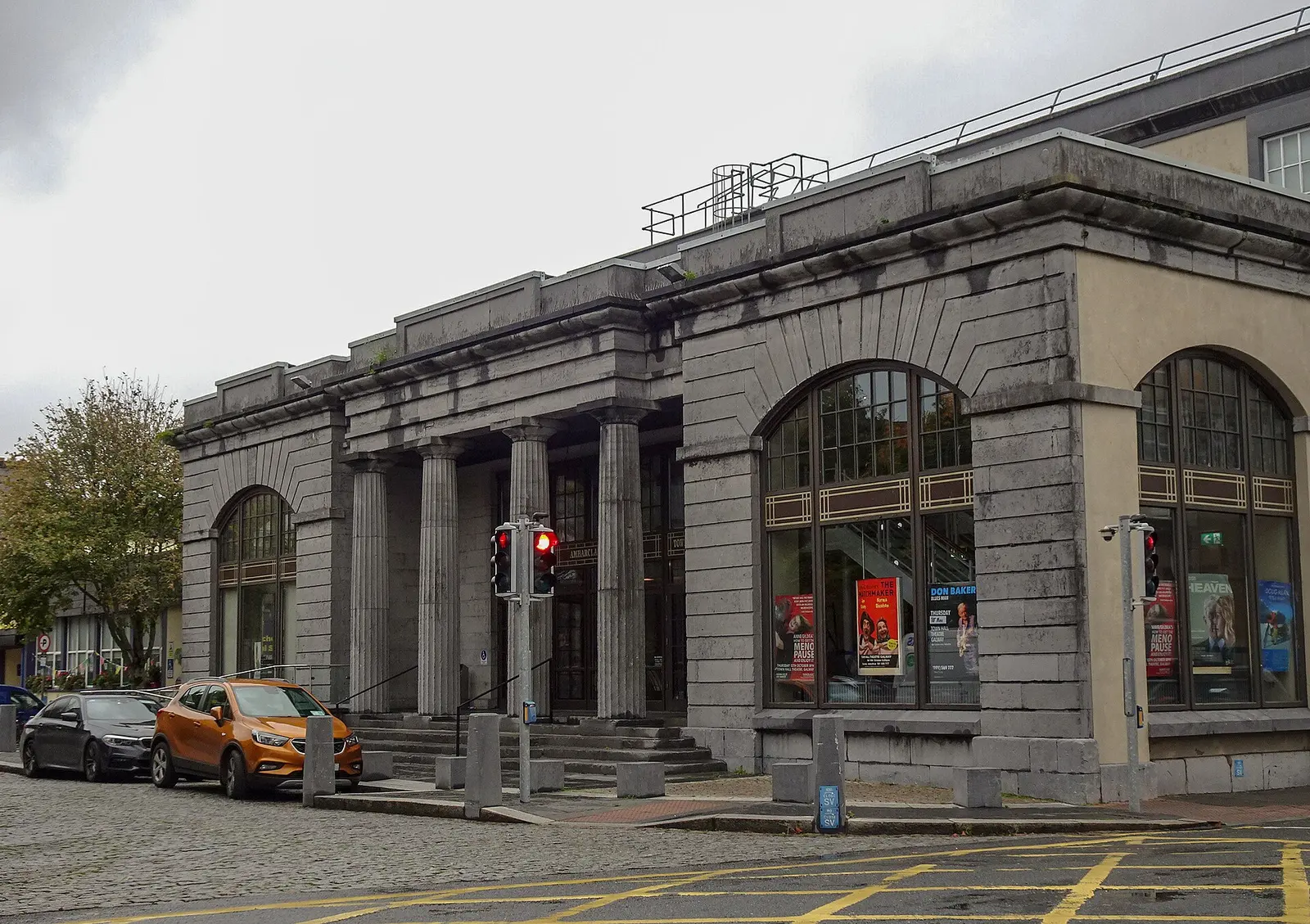
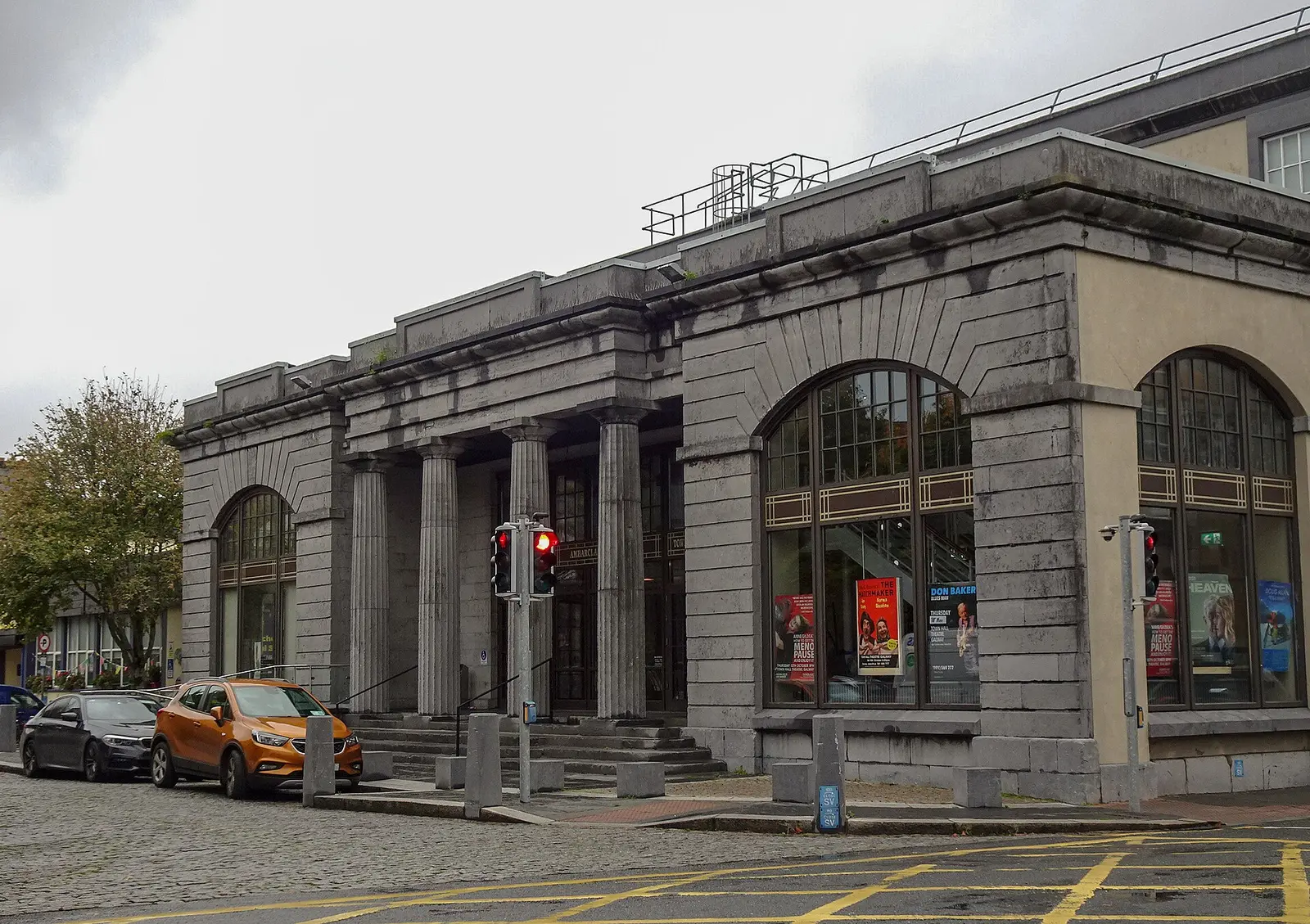
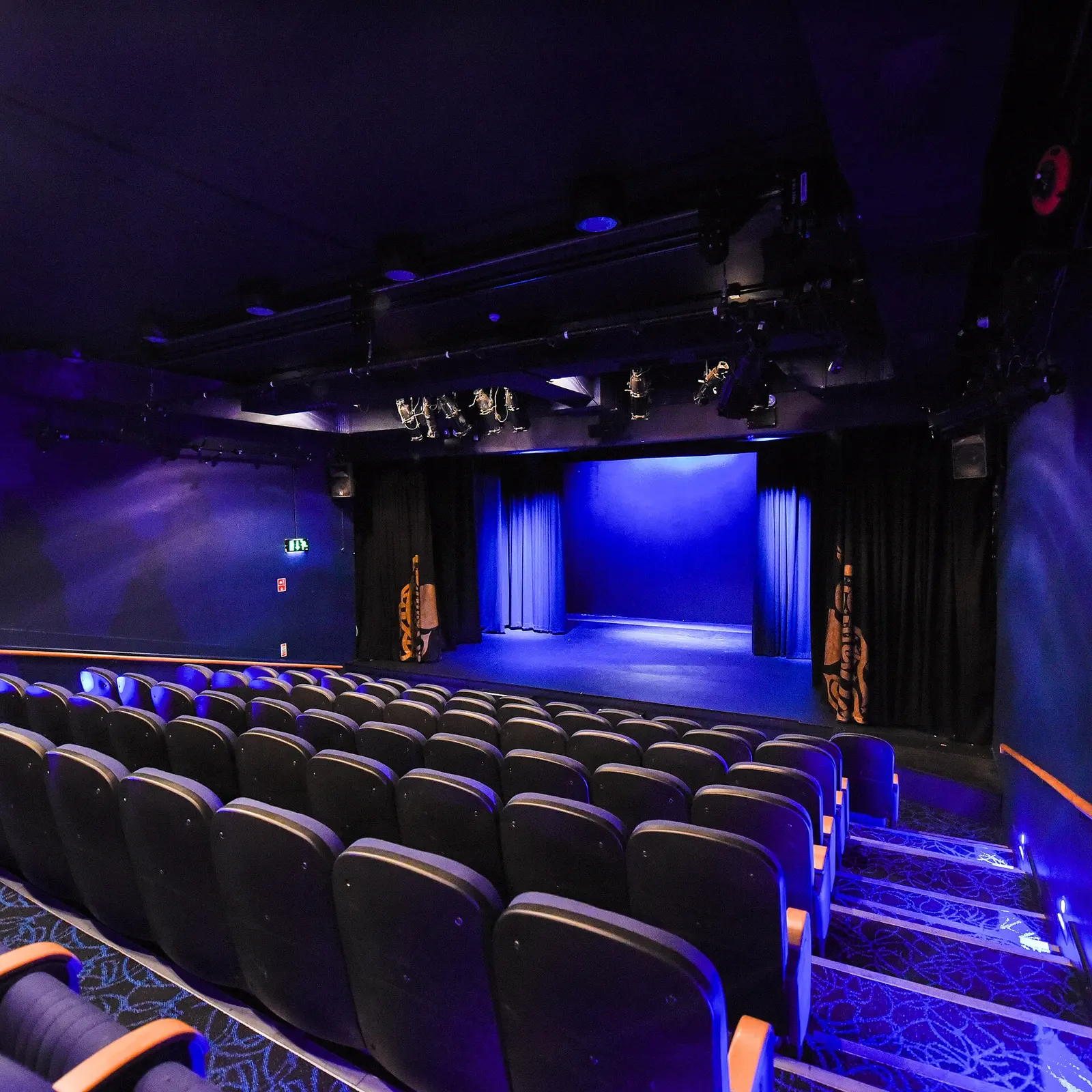
The Town Hall Theatre on Courthouse Square, Amharclann Halla na Cathrach, was built in 1824 and 1825 to Alexander Hay's neoclassical design as the…
Druid, founded in Galway in 1975 by Garry Hynes, Marie Mullen and Mick Lally from the university drama society, was the first professional theatre…
An Taibhdhearc at 19 Middle Street is the national Irish-language theatre, opened on 27 August 1928 with Micheál Mac Liammóir's Diarmuid agus…
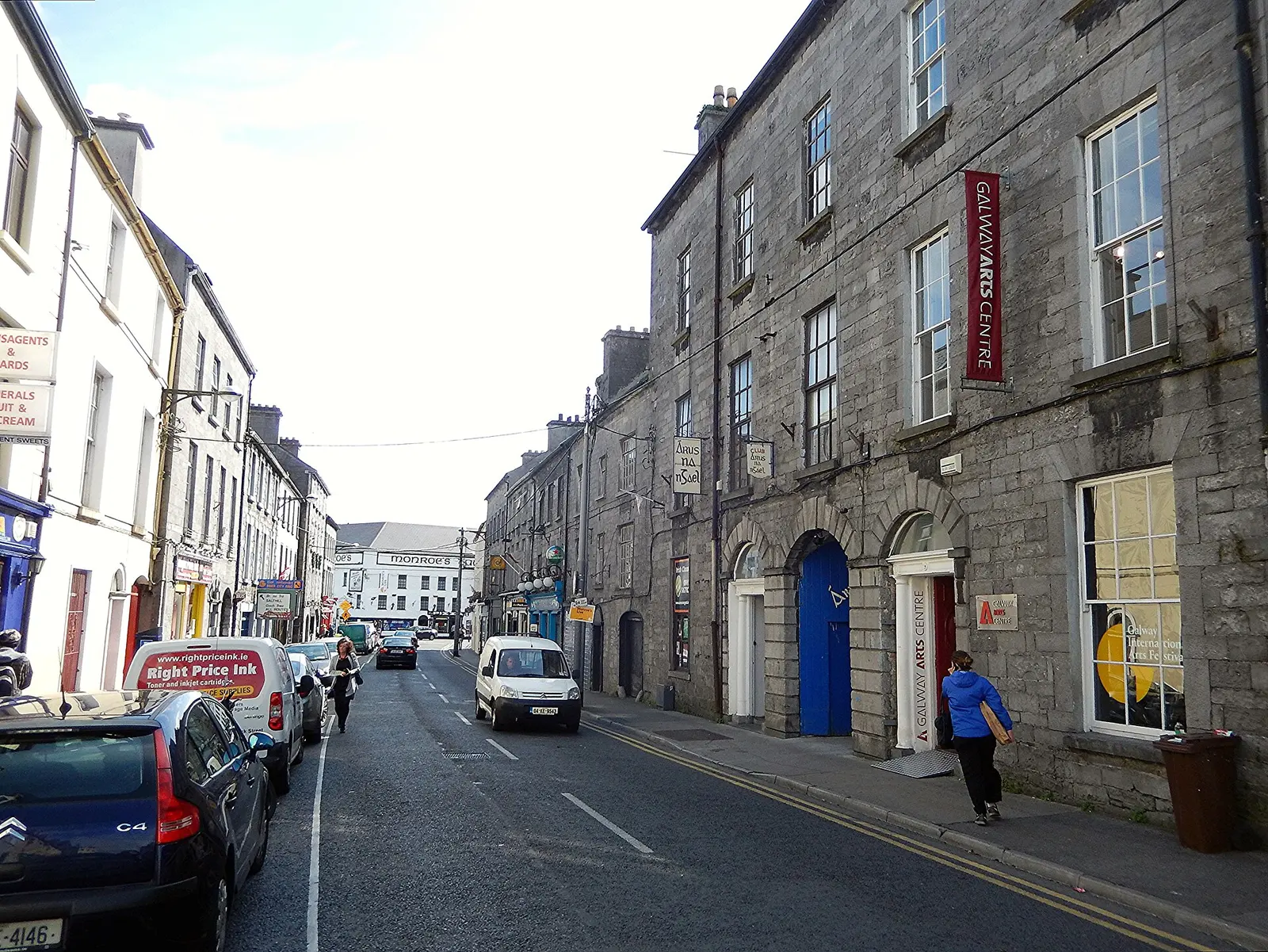
Galway Arts Centre at 47 Dominick Street, an 1840s Persse family house, grew in 1982 out of the Galway Arts Group that had founded the Arts…
Ballybrit Racecourse, Galway Racecourse, lies in Castlegar 6 km north-east of the city beside the N6: a right-handed track of about a mile and…
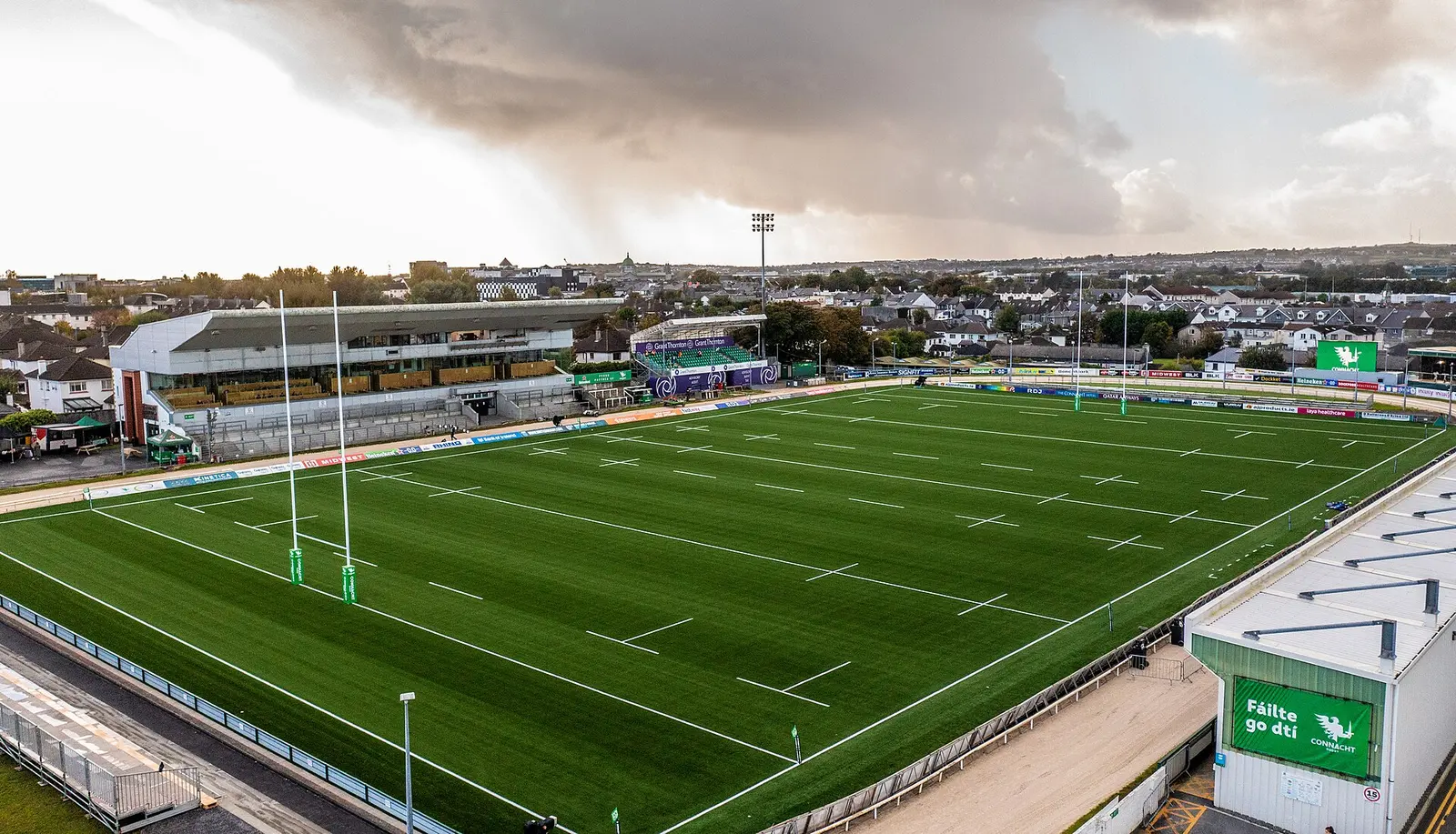
Galway Greyhound Stadium, the old Galway Sportsgrounds on College Road, opened on 1 July 1932 on the west side of Lough Atalia: greyhound racing…
Galway City Council, Comhairle Cathrach na Gaillimhe, runs the city from City Hall on College Road: 18 councillors in three electoral areas…
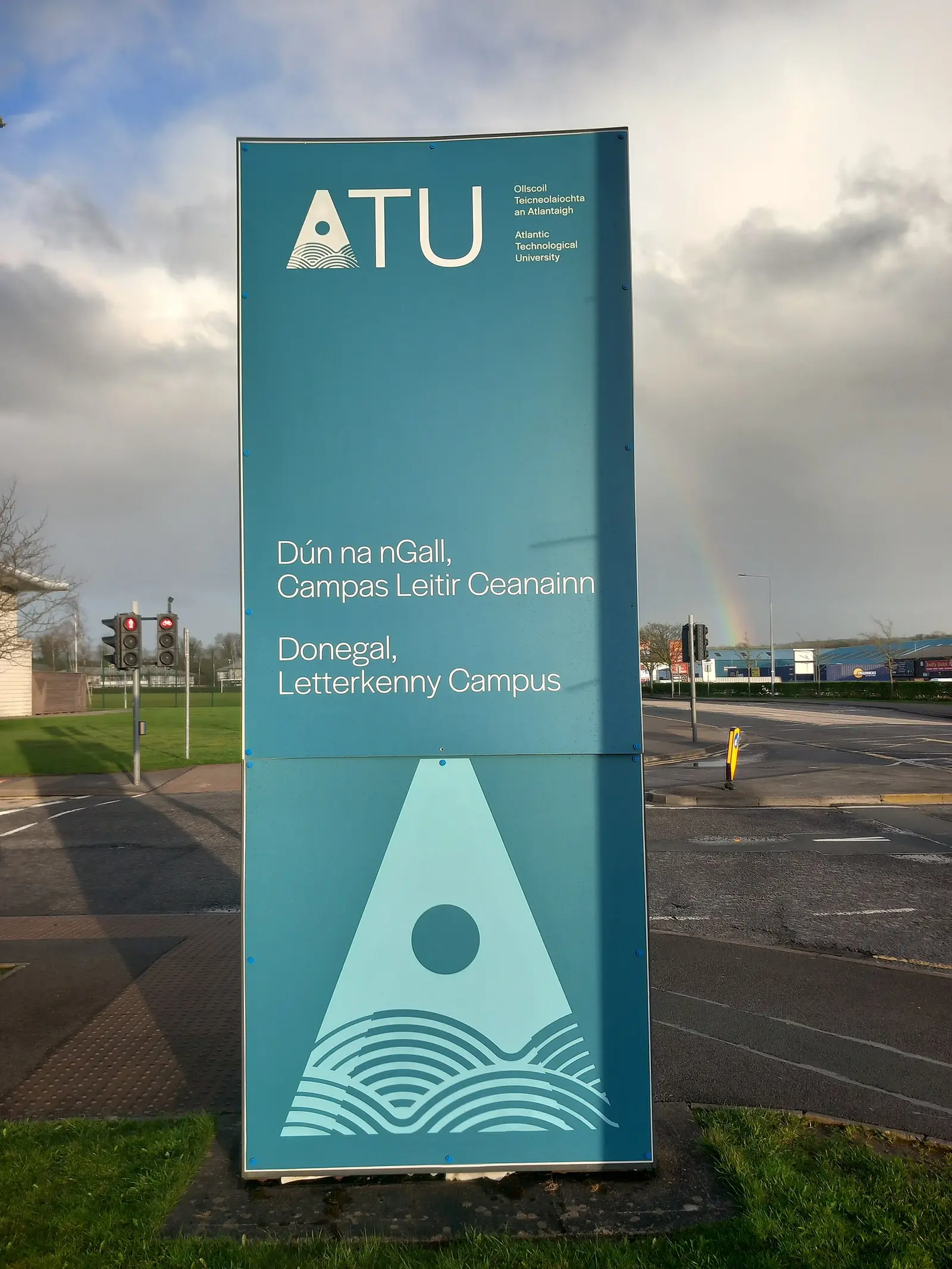
Atlantic Technological University was formed on 1 April 2022 from Galway-Mayo IT, IT Sligo and Letterkenny IT: its Galway campus on the Dublin…
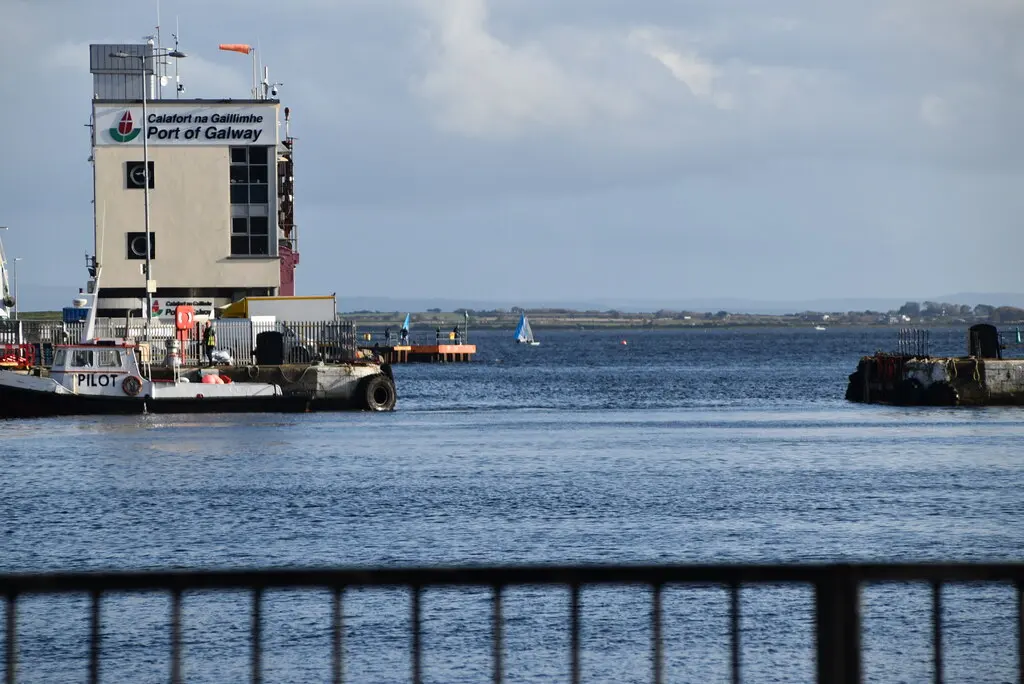
The Port of Galway, run by the Galway Harbour Company, handles about 500,000 tonnes a year of fuel, timber, cement and fish in an inner dock for…
Renmore, An Rinn Mhór, the big headland, is the suburb 2 km east of the centre between Lough Atalia and Lurgan Park, south of the Old Dublin Road,…
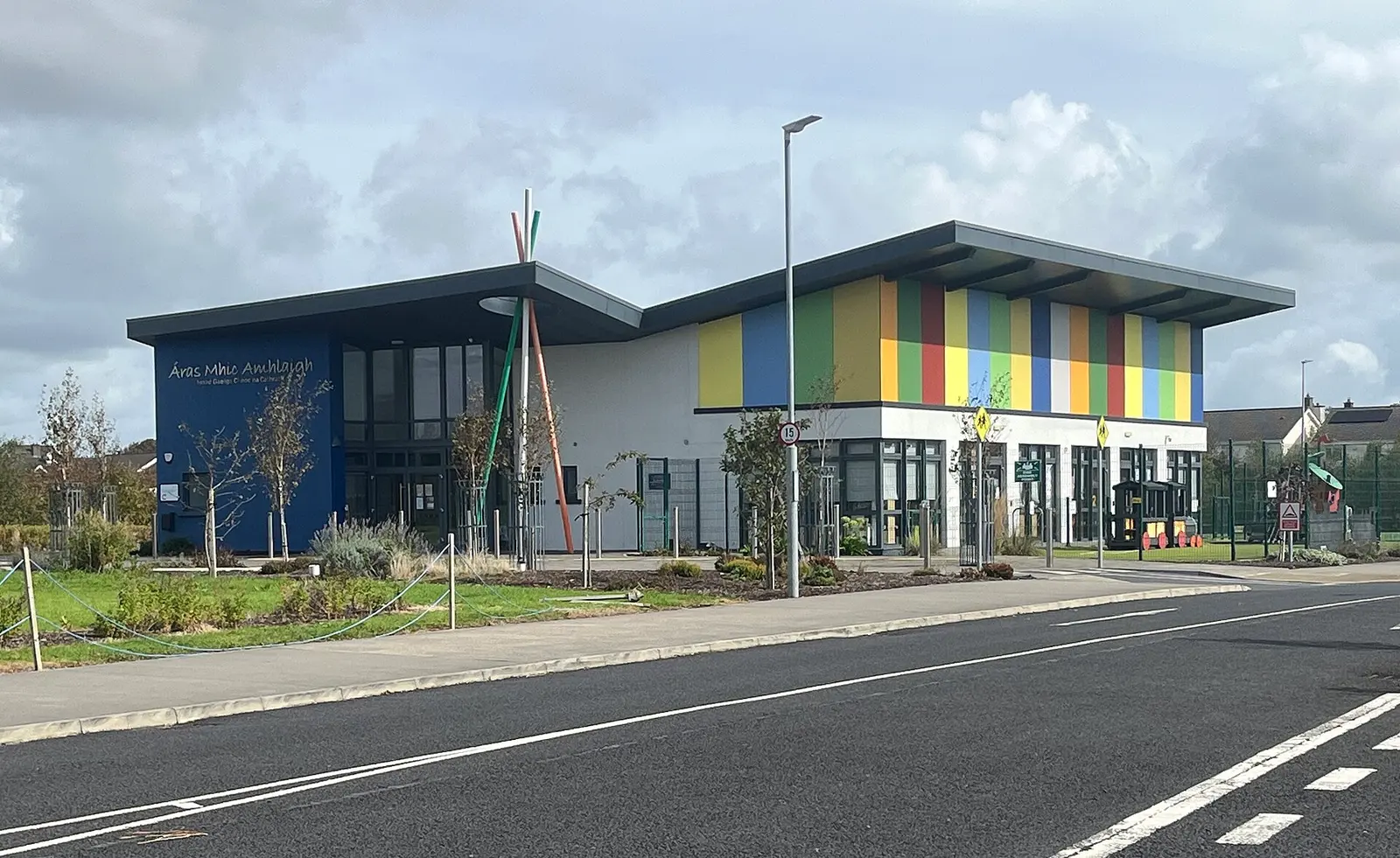
Knocknacarra, Cnoc na Cathrach, 5 km west of the centre between Salthill and Barna, grew from 153 people in 1913 to about 17,000 or 18,000 by…
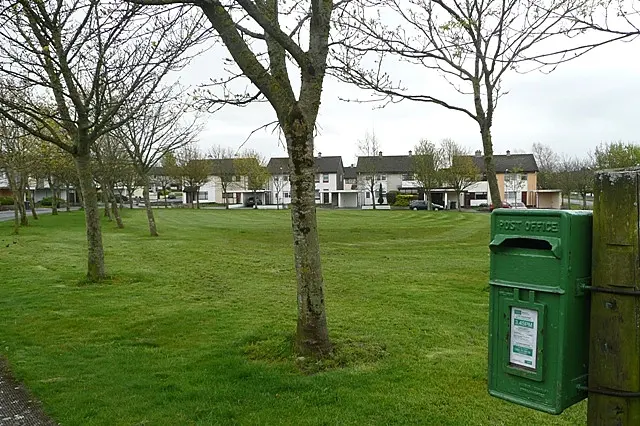
Ballybane, An Baile Bán, the white homestead, is the east Galway suburb between the Old Dublin Road, Mervue, Ballybrit and Doughiska: ringforts…
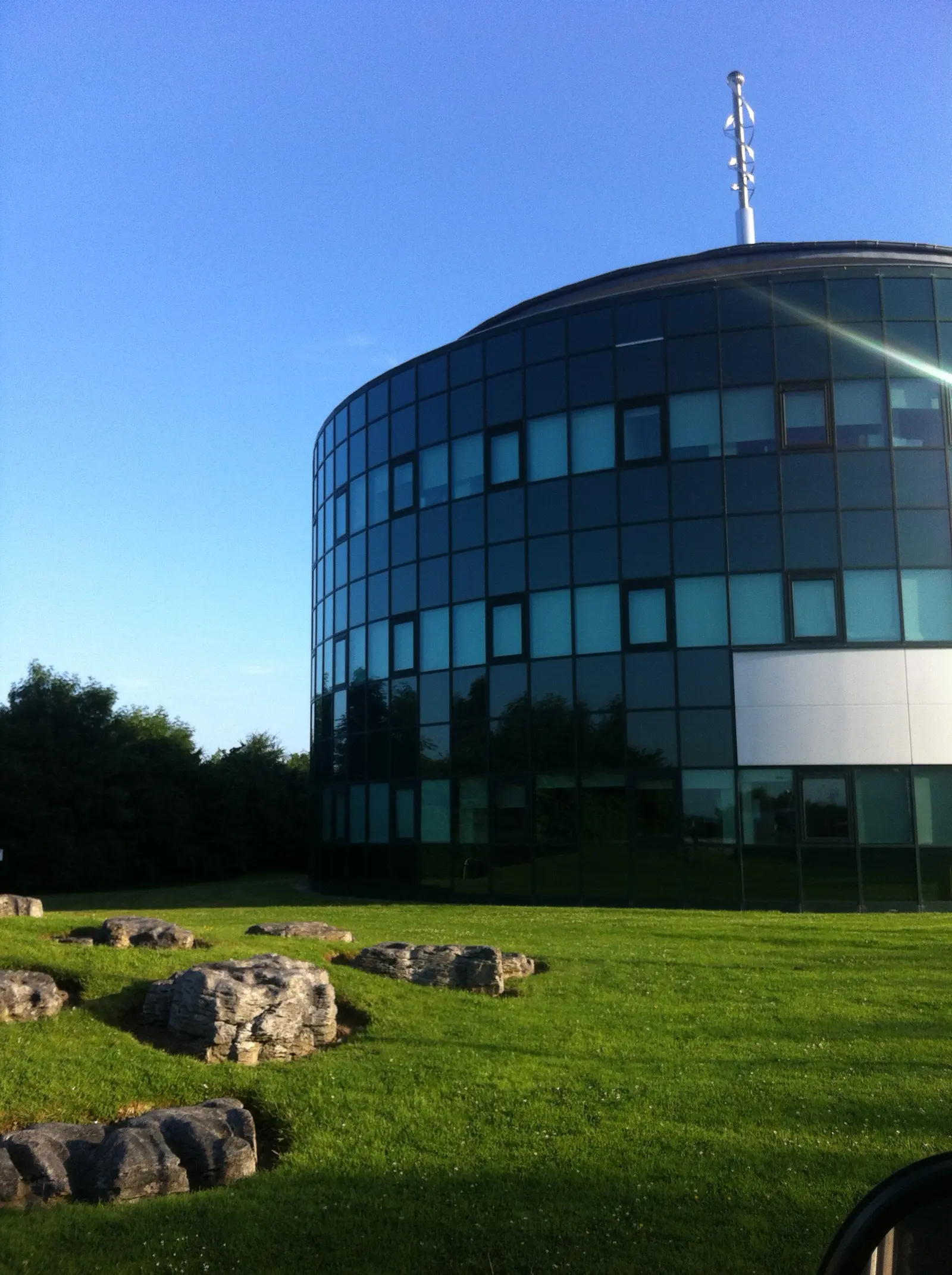
Doughiska, Dabhach Uisce, the water basin, is the townland on the eastern edge of Galway that stayed farmland with a fine marble quarry, used in…
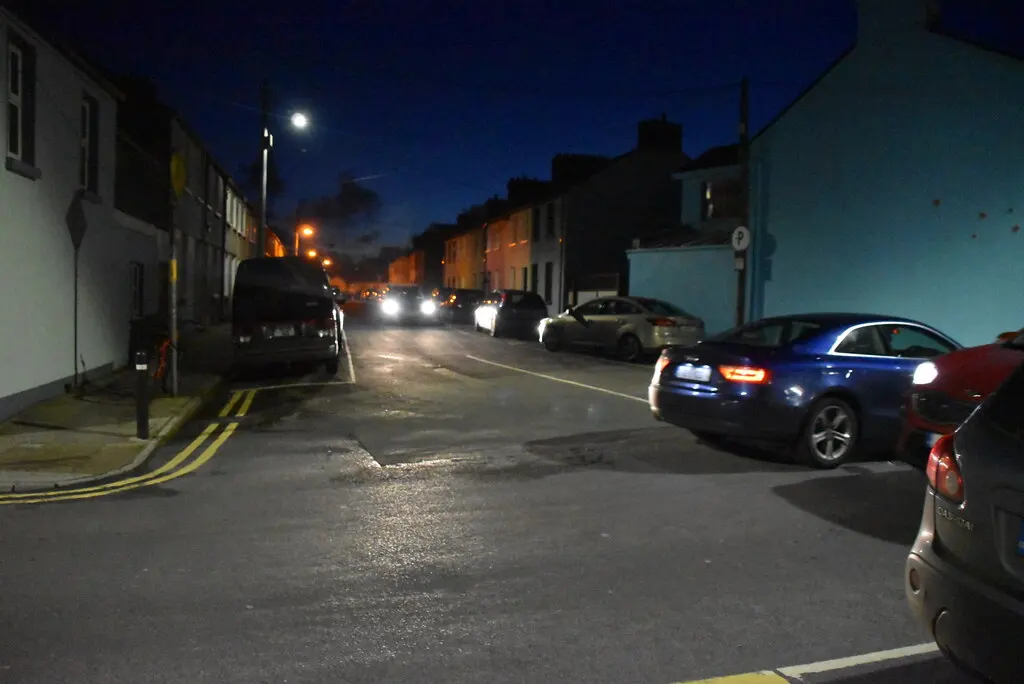
Shantalla, Sean Talamh, the old ground, west of the city centre, had a granite quarry from 1889 whose mottled red and pink stone was called…
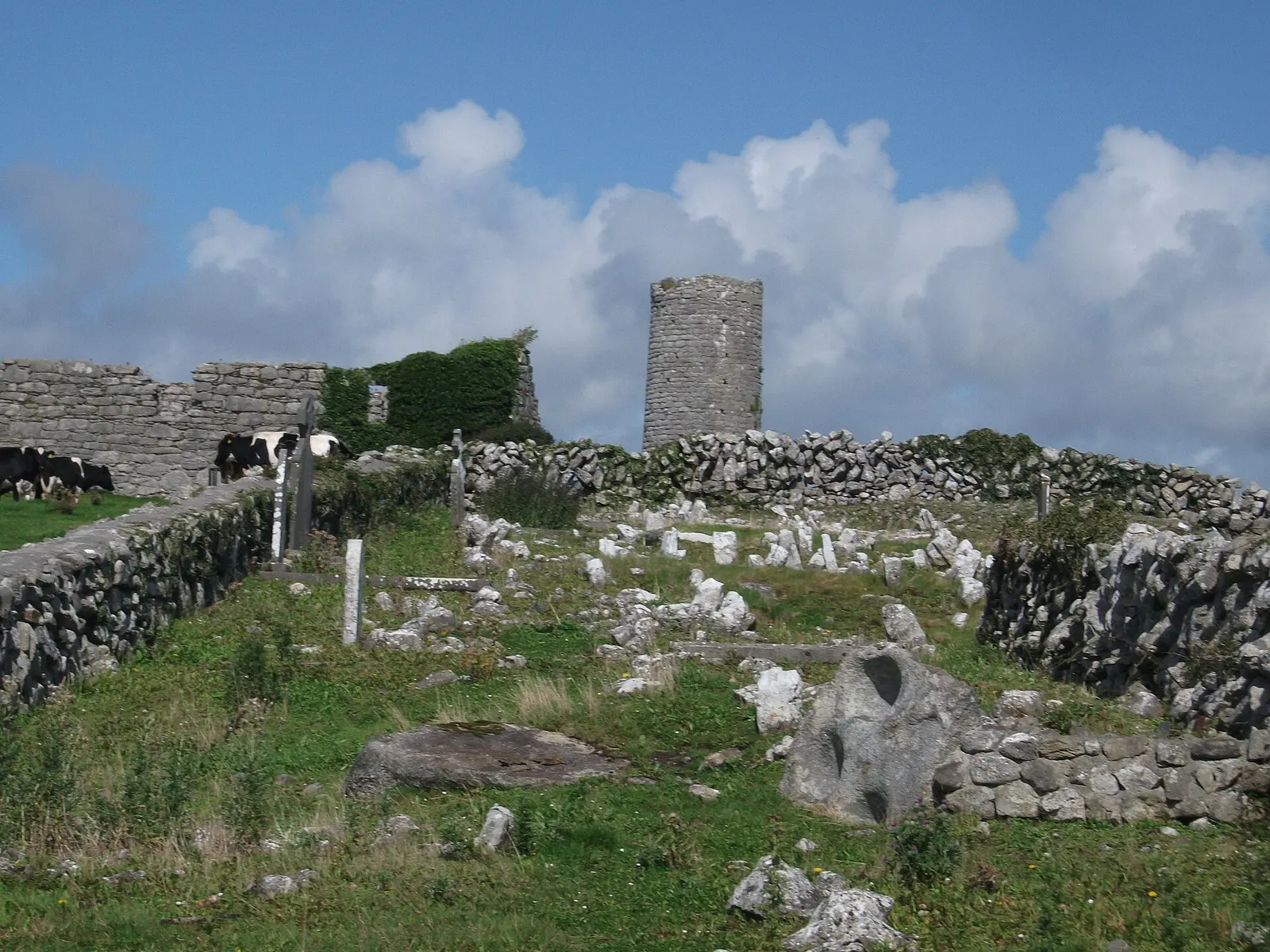
Roscam is the medieval monastic site and national monument 4 km east of Galway city on the north shore of Oranmore Bay: a 5th-century foundation…
Galway Bay FM, launched as Radio West in 1989 as the first legal local radio station in Galway and renamed in 1993, was bought outright by the…
The Galway Advertiser is the free newspaper delivered across the city and county every Thursday: founded by Ronnie O'Gorman with a first edition…
The Connacht Tribune, An Curadh Connachtach, is County Galway's regional newspaper, printed on Thursday with the Galway City Tribune on Friday and…
There are two Galway Girls. Steve Earle wrote The Galway Girl about meeting Joyce Redmond in the city and recorded it with Sharon Shannon on…
At least three songs are called Galway Bay: My Own Dear Galway Bay, written in London by Francis Fahy of Kinvara, first recorded in 1927 and made…
Nora Barnacle, born Norah in the Galway workhouse on 21 March 1884 to a Connemara baker and a dressmaker, met James Joyce in Dublin on 10 June…
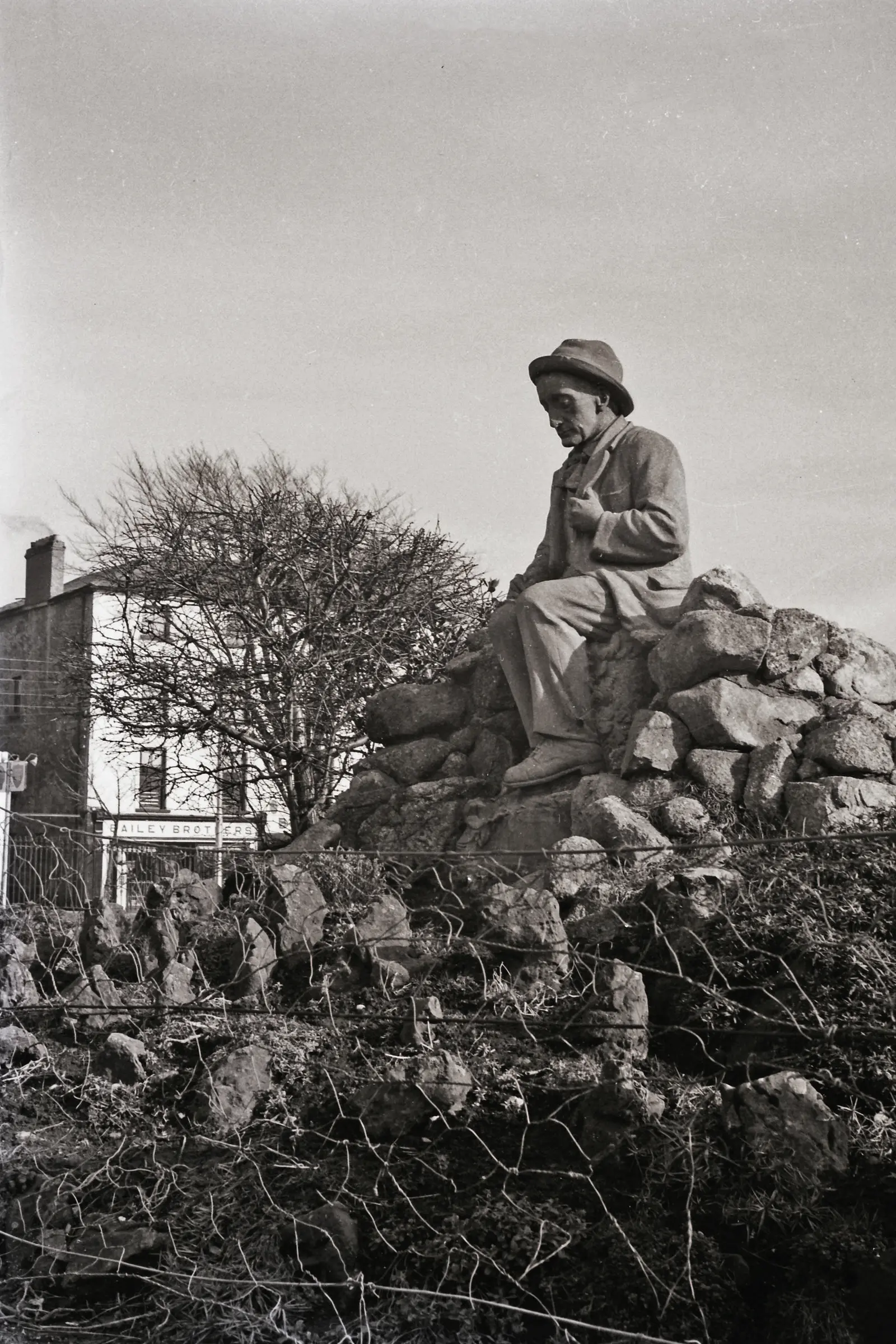
Pádraic Ó Conaire, born in the Lobster Pot pub on the New Docks on 28 February 1882 and orphaned by eleven, learned his Irish with an uncle in Ros…
Liam Mellows, born in an English barracks in 1892, led about 700 Volunteers in County Galway at Easter 1916, attacking the RIC at Oranmore and…
Cúirt, the court, is Galway's literary festival, held over a week each April since 1985: readings of poetry and fiction, debates, slams, launches,…
The N6 Galway City Ring Road, the Galway Bypass, is the proposed 18 km road from Coolagh junction in Doughiska to the R336 coast road west of…
Coláiste Iognáid, the Jes, is the co-educational, non-fee-paying, no-uniform Jesuit secondary school on Sea Road with about 600 pupils: the…
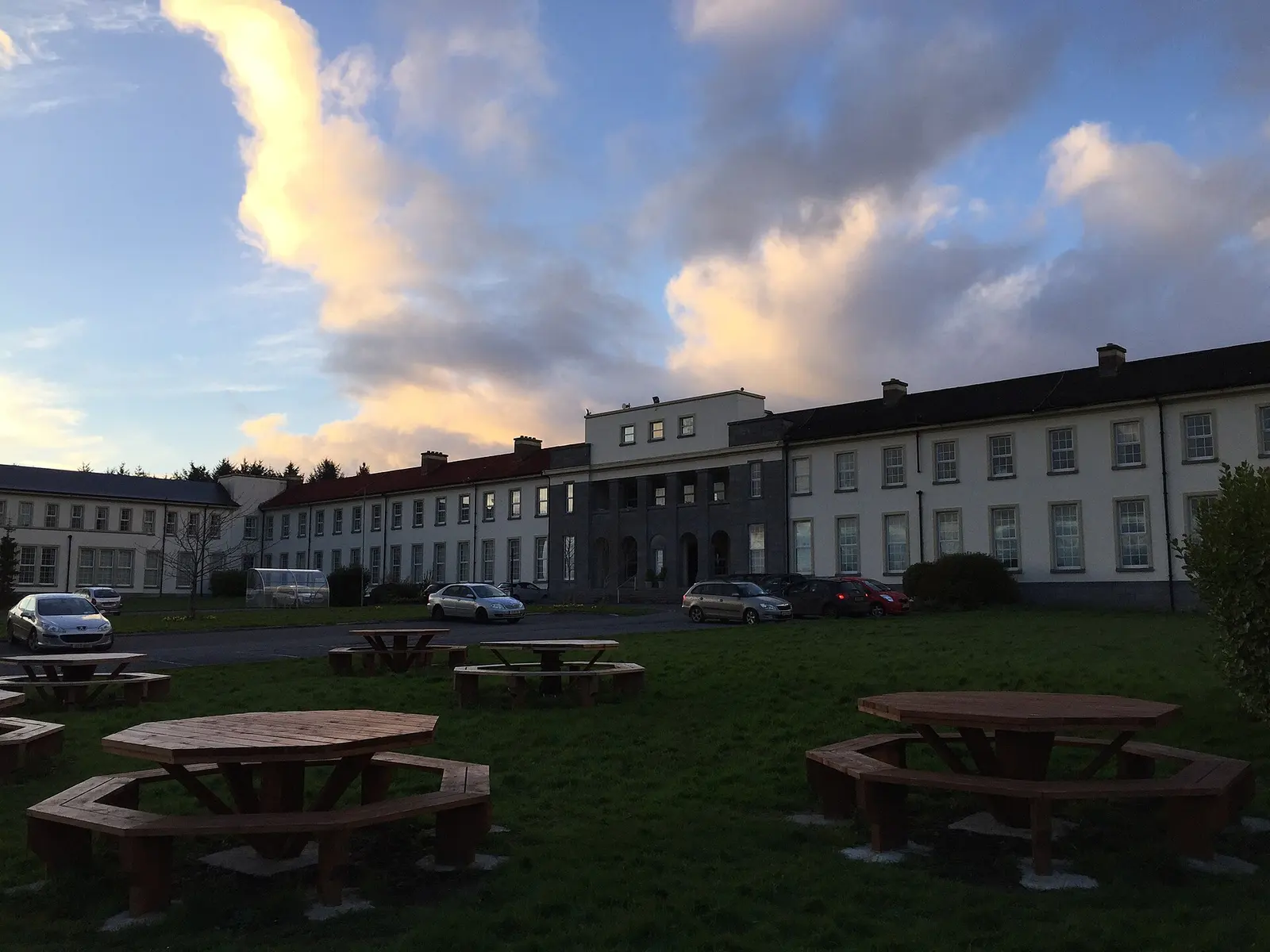
Coláiste Éinde, St Enda's College, on Threadneedle Road in Salthill, was founded at Blake's House in Furbo on 23 October 1928 as an Irish-medium…
St Mary's College was founded in 1912 as the junior seminary of the dioceses of Galway and Kilmacduagh, its main building of granite and limestone…
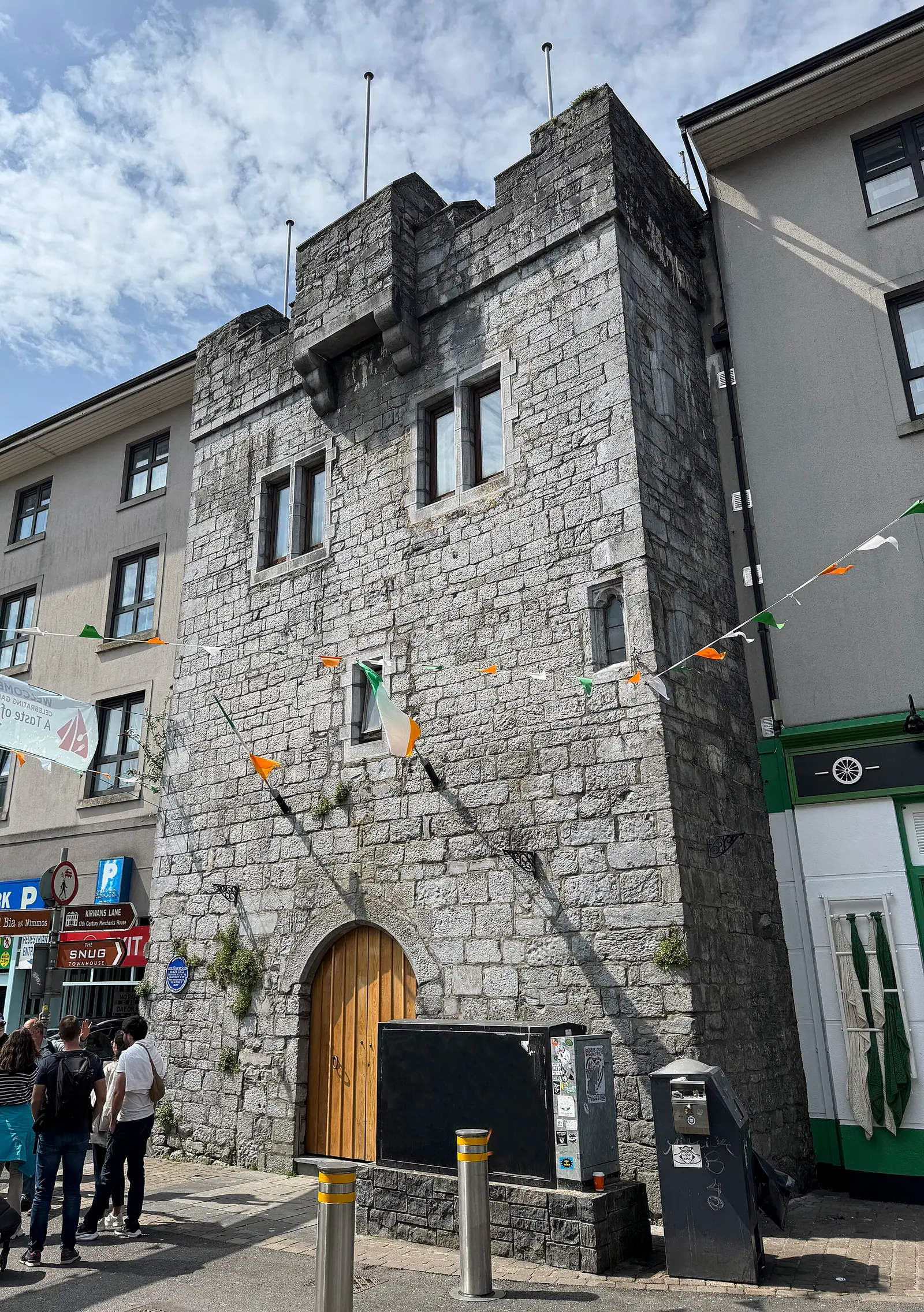
Blake's Castle on Quay Street is a tower house of about 1470, one of only two surviving fortified town houses of the Tribes of Galway with Lynch's…
Galwegians, founded in 1922, is the rugby club at Crowley Park on the Dublin Road since 1963, the first club to use the Sportsground when it…
Galway's two senior junior clubs both return to the League of Ireland in August 2026 as founder members of the FAI National League: Mervue United,…
The city's clubs: Castlegar, hurling since the 1880s, seventeen county titles between 1936 and 1984 and All-Ireland club champions in 1980, the…
Coláiste na Coiribe is the Irish-medium secondary school of Galway city, run by the Galway and Roscommon ETB: founded in 1992 with six pupils on…
Galway Technical Institute on Father Griffin Road in the Claddagh is the further education college of QQI Level 5 and 6 courses in ten departments…
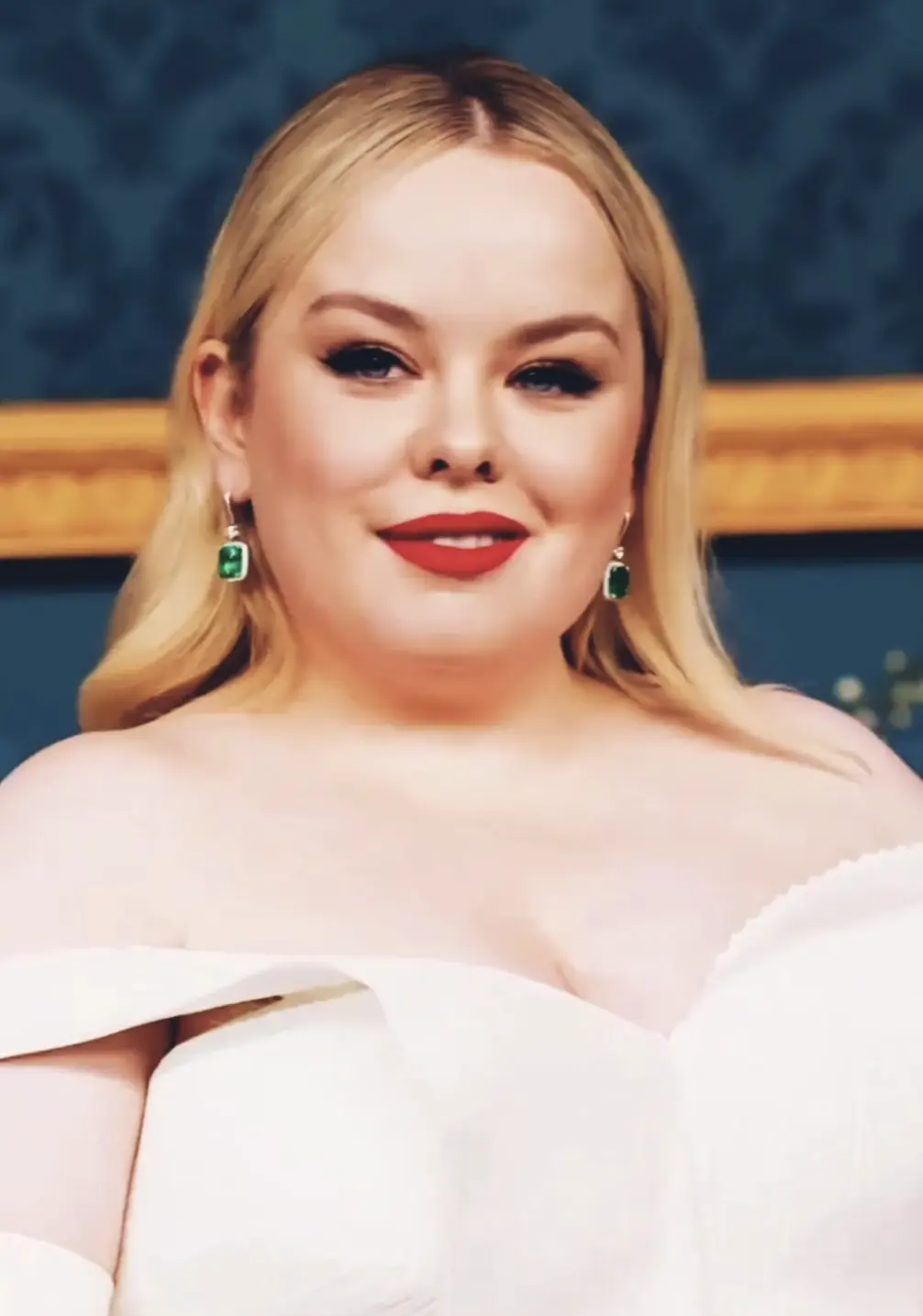
Nicola Coughlan, born in Galway on 9 January 1987 and raised in Oranmore, the youngest of four children of an Irish Army father, played Clare…
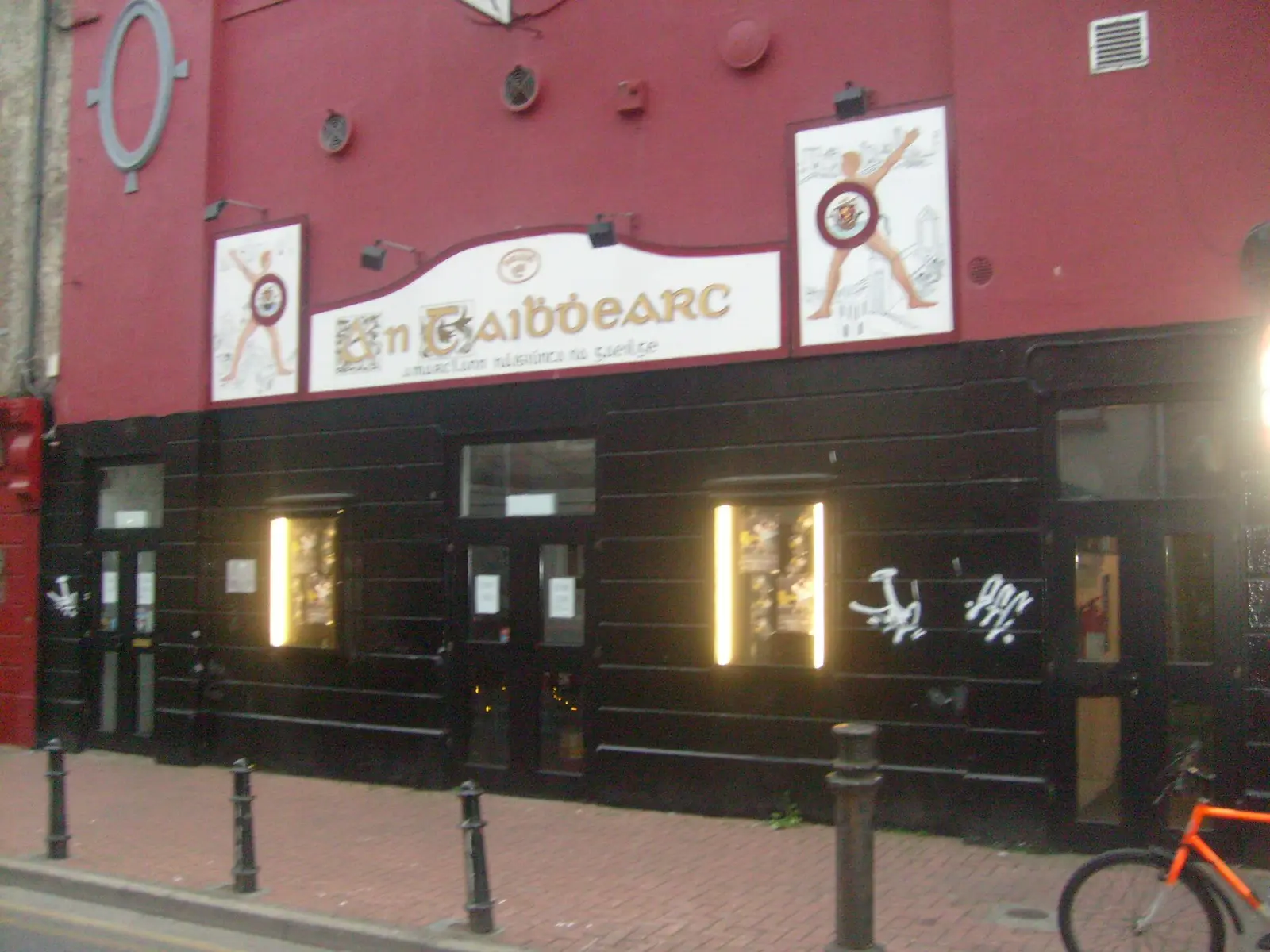
Walter Macken, born in Galway on 3 May 1915 and died on 22 April 1967, was an actor at An Taibhdhearc, where he met his wife Peggy, and at the…
Ken Bruen, born in Galway on 3 January 1951 and died there on 29 March 2025, wrote hardboiled and noir crime fiction: educated at Gormanston and…
The Stunning, formed in Galway in 1987 by Steve Wall, played their first show at the Hilltop Hotel in Salthill and were based at the Warwick…
Michael D. Higgins, born in Limerick on 18 April 1941, was President of Ireland from November 2011 to November 2025: a Galway Labour senator from…
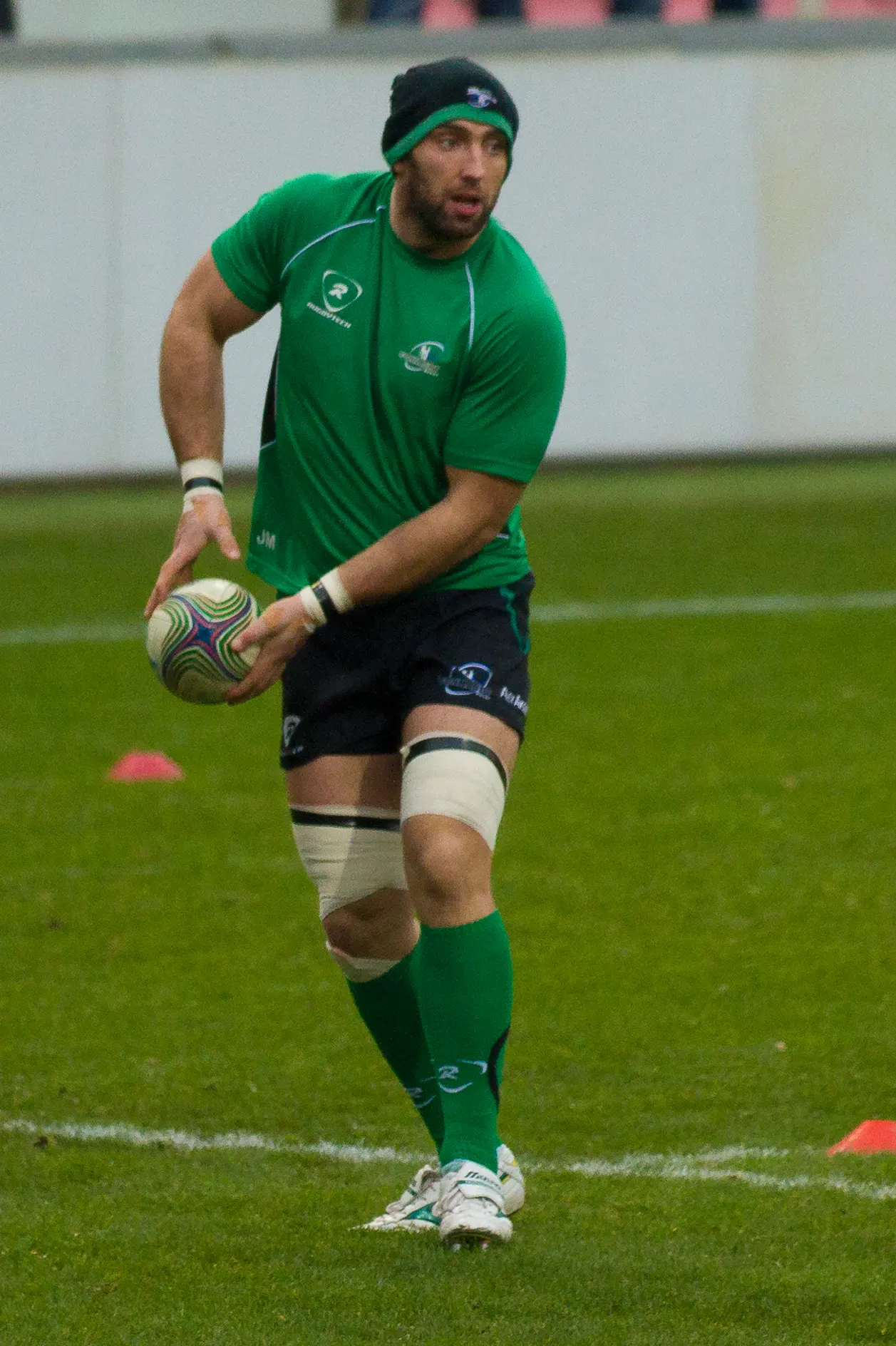
Two Connacht careers: Eric Elwood, the Galway fly-half from Coláiste Iognáid's 1985 cup team, 35 Ireland caps and 296 points, 168 games and 1,152…
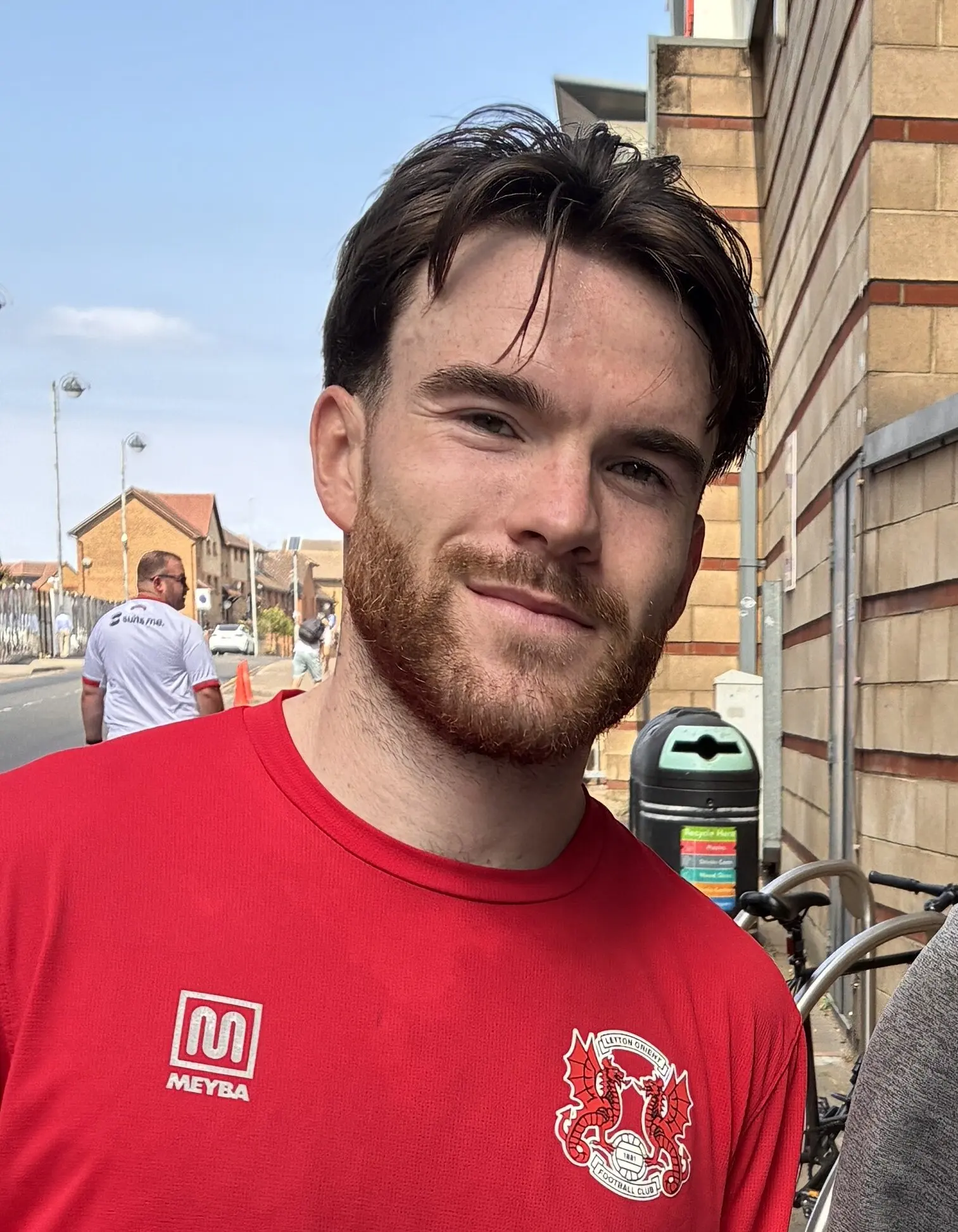
Two Galway footballers who went through Mervue United to England: Aaron Connolly, born 28 January 2000, from Maree/Oranmore at five and Mervue at…
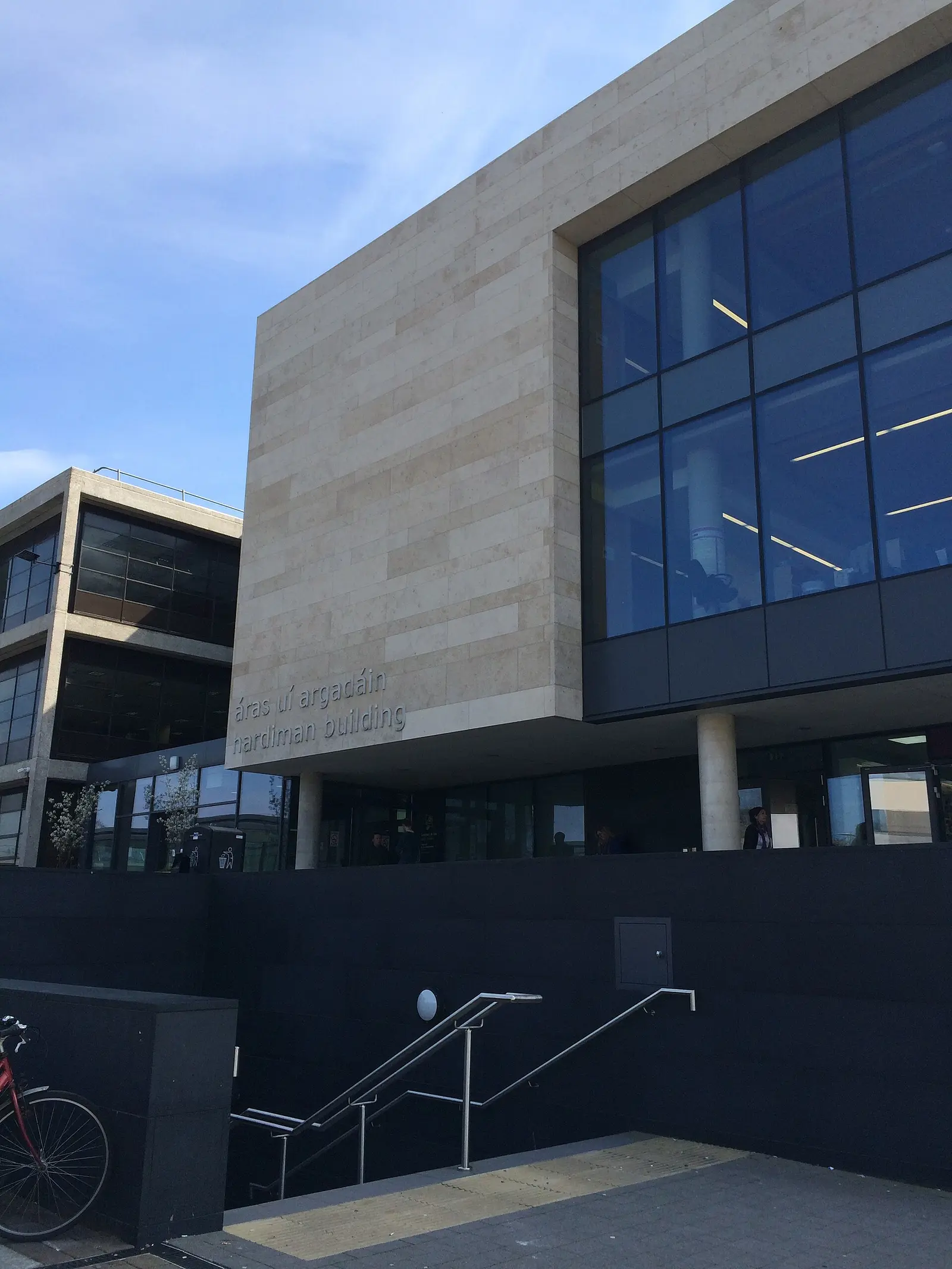
James Hardiman, Séamus Ó hArgadáin, born in Westport in February 1782 and died on 13 November 1855, was the first librarian of Queen's College…
Joe Connolly, born in Castlegar on 13 October 1956 into a large Irish-speaking family that later made hurleys, captained Galway to the All-Ireland…
Oranmore 6
The Galway Shawl is the traditional courtship song set in Oranmore in May: a girl in a bonnet with ribbons and a Galway shawl, her father's…
Galway Hooker Brewery in Oranmore was founded in 2006 by the cousins Aidan Murphy and Ronan Brennan, its name chosen by online competition: it…
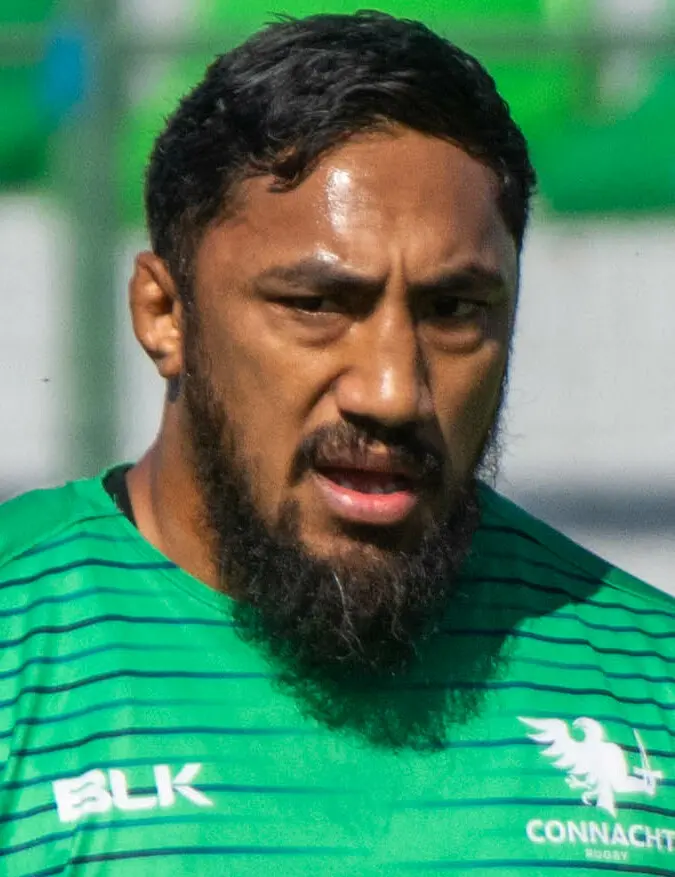
Bundee Aki, born Fua Leiofi Bundellu Aki in Ōtāhuhu, Auckland, on 7 April 1990, of Samoan descent, played for Counties Manukau and won Super Rugby…
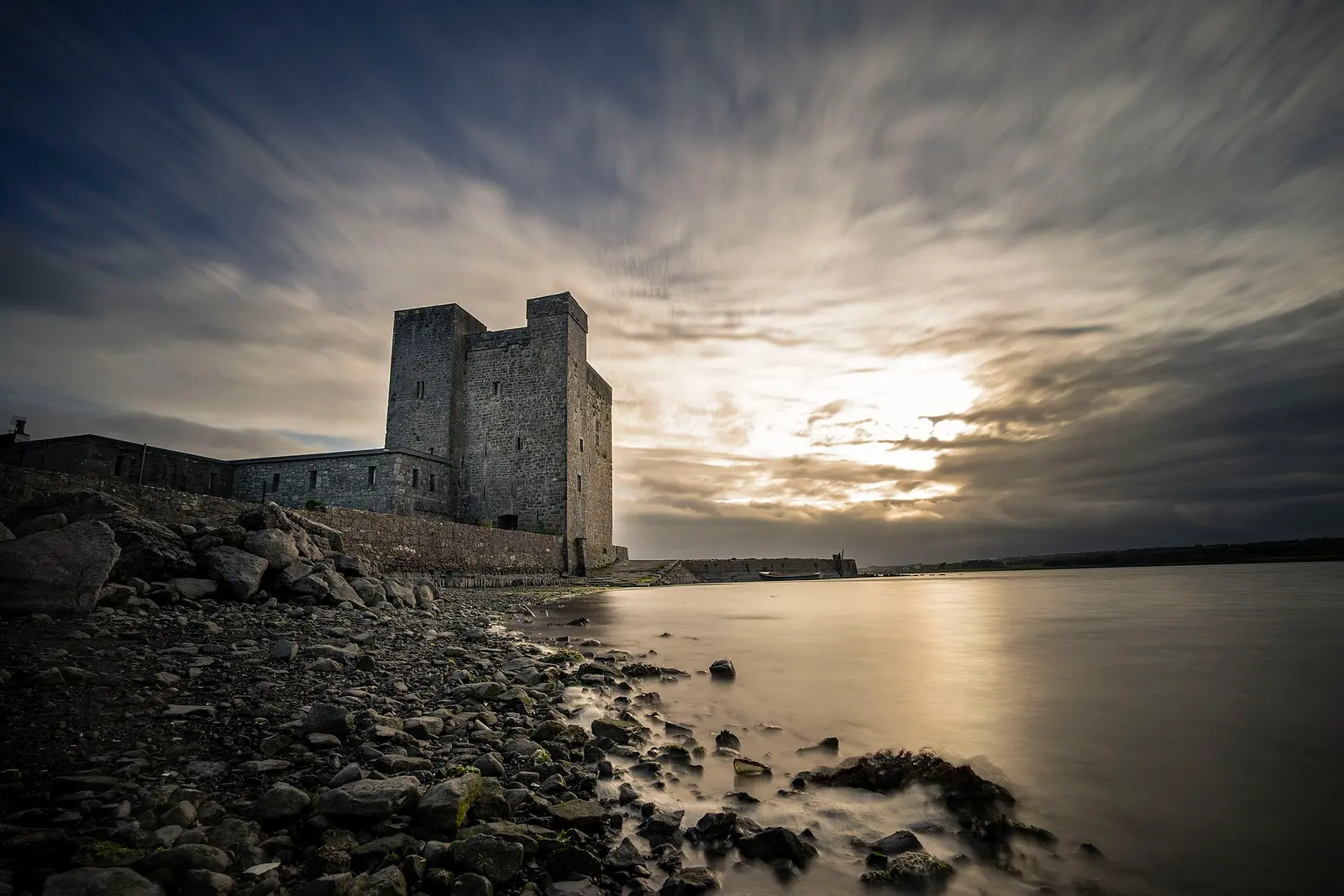
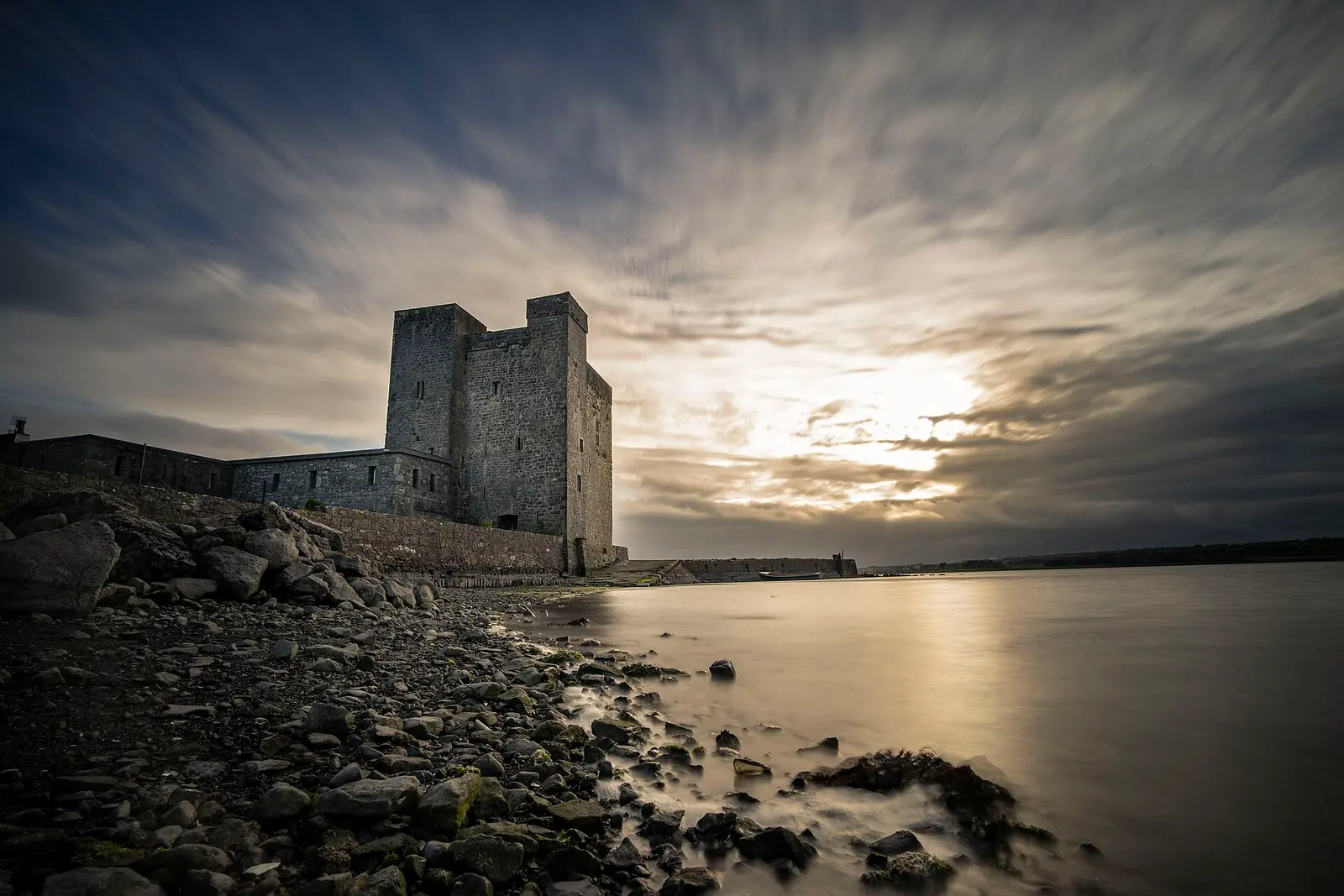
Oranmore Castle is the four-storey 15th-century tower house on the shore of Galway Bay that the Clanricardes held through the rebellion of 1642,…
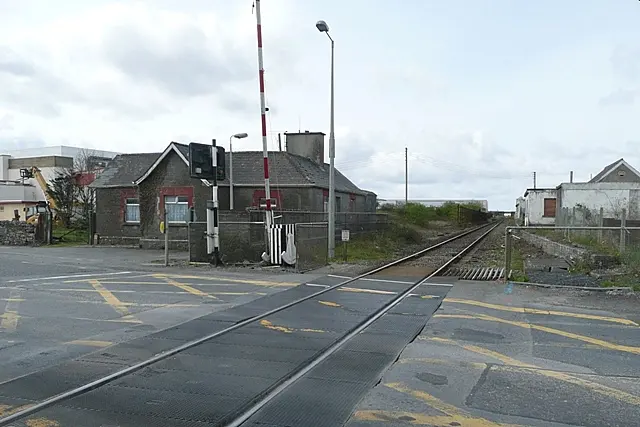
Oranmore station at Garraun is a stop on the Dublin to Galway intercity and the Galway to Athenry, Athlone and Limerick commuter services, about…
Calasanctius College is the co-educational secondary school for Oranmore, Carnmore, Claregalway, Clarinbridge, Kilcolgan and the south of Galway…
Spiddal 4
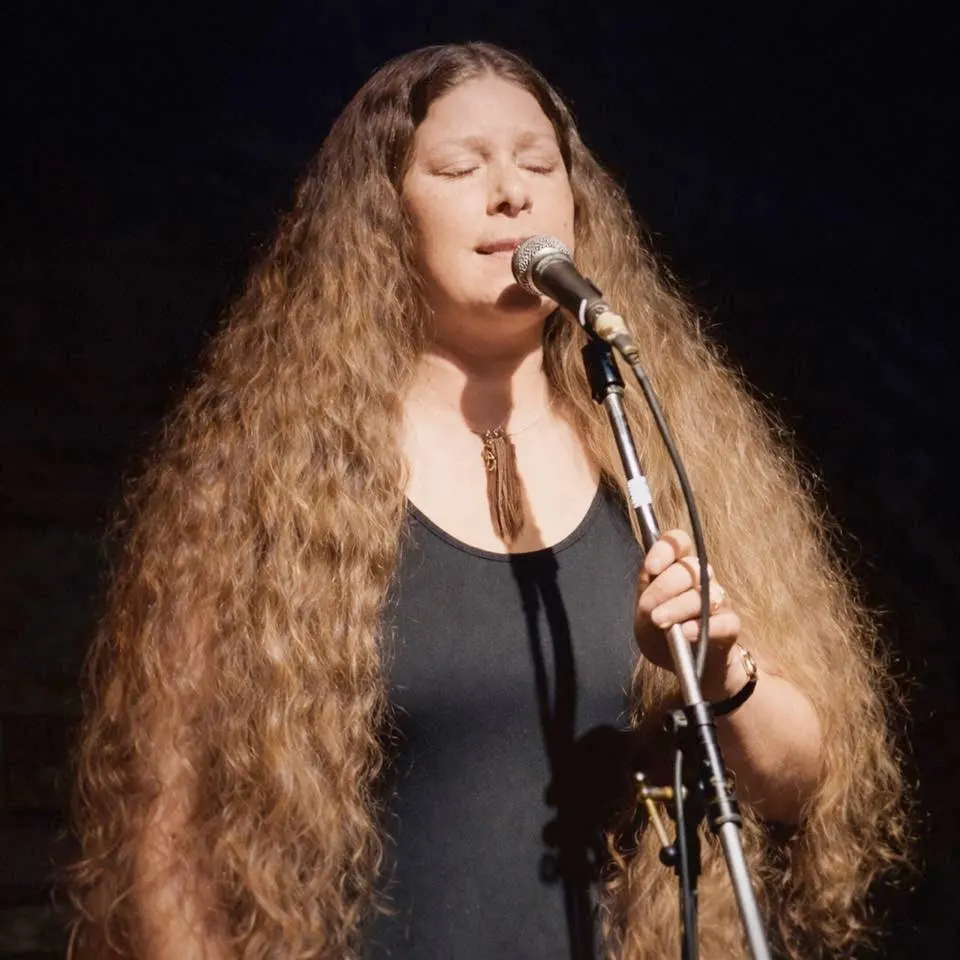
De Dannan came out of sessions in Hughes's pub in Spiddal in 1975, formed by Frankie Gavin of Corrandulla on fiddle, Alec Finn on bouzouki, Johnny…
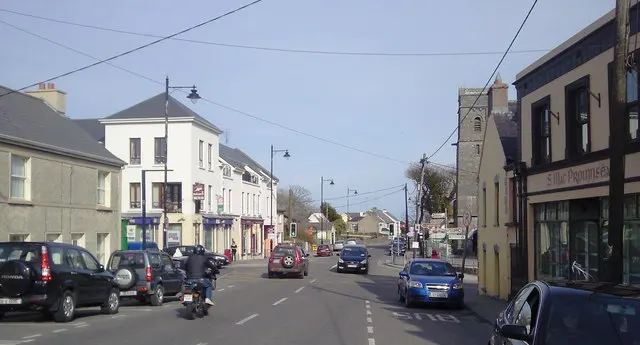
An Spidéal, 18 km west of Galway on the R336, takes its name from a medieval leper hospital in West Spiddal; about 75% of its people speak Irish,…
The R336 is the 83 km regional road from the N6 and N83 in Galway west along the bay through Salthill, Barna, Furbo, Spiddal and Inverin to…
Máirtín Ó Cadhain, born in Connemara on 4 January 1906 and died in Dublin on 18 October 1970, was the most important Irish-language prose writer…
Athenry 7
Athenry station, open since 1 August 1851, is the junction east of Galway: intercity trains to Dublin, commuter trains to Galway and Limerick, and…
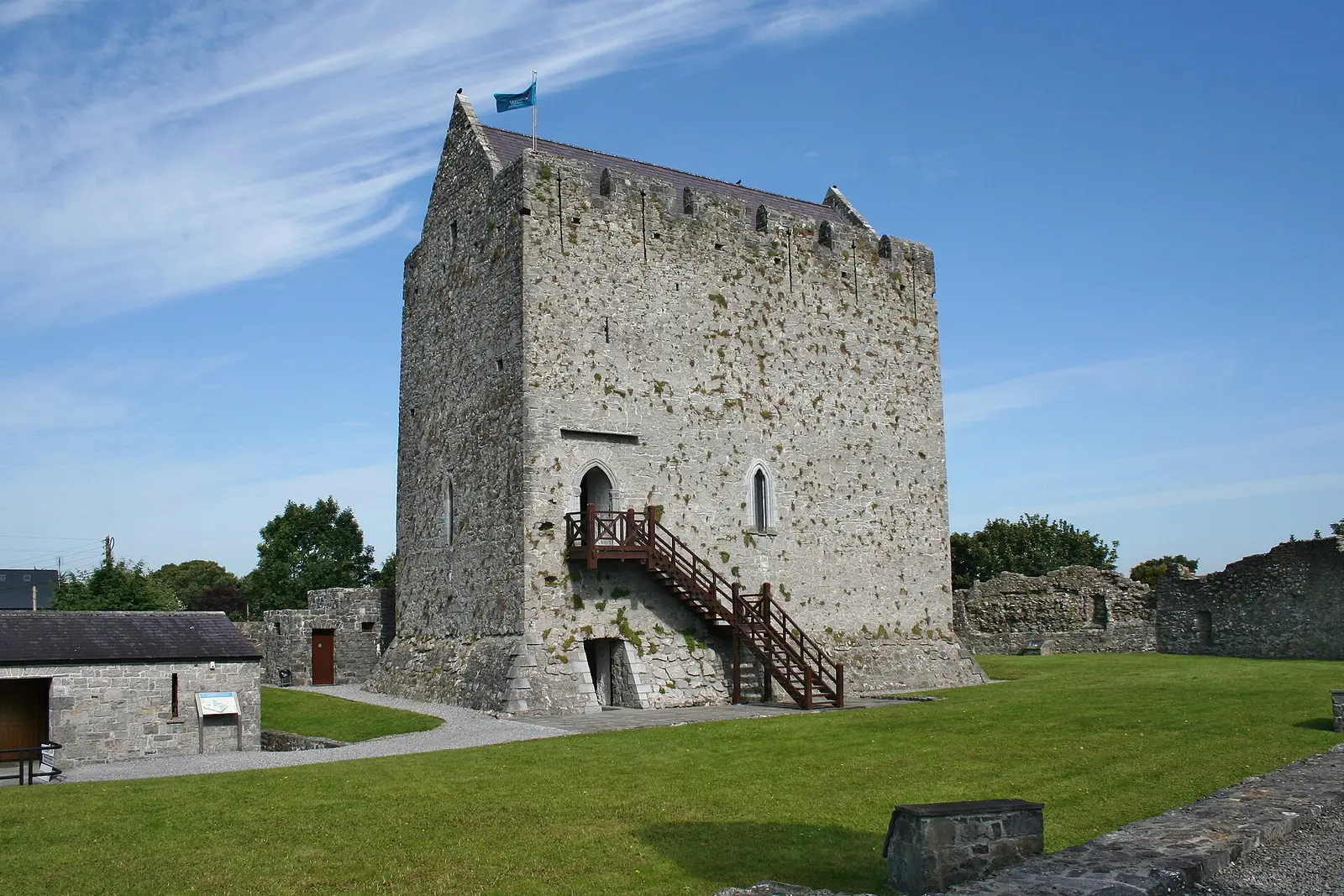
Athenry Castle is a 13th-century tower on the west bank of the Clarin, built about 1235 to 1240 and extended by Meyler de Bermingham around 1250;…
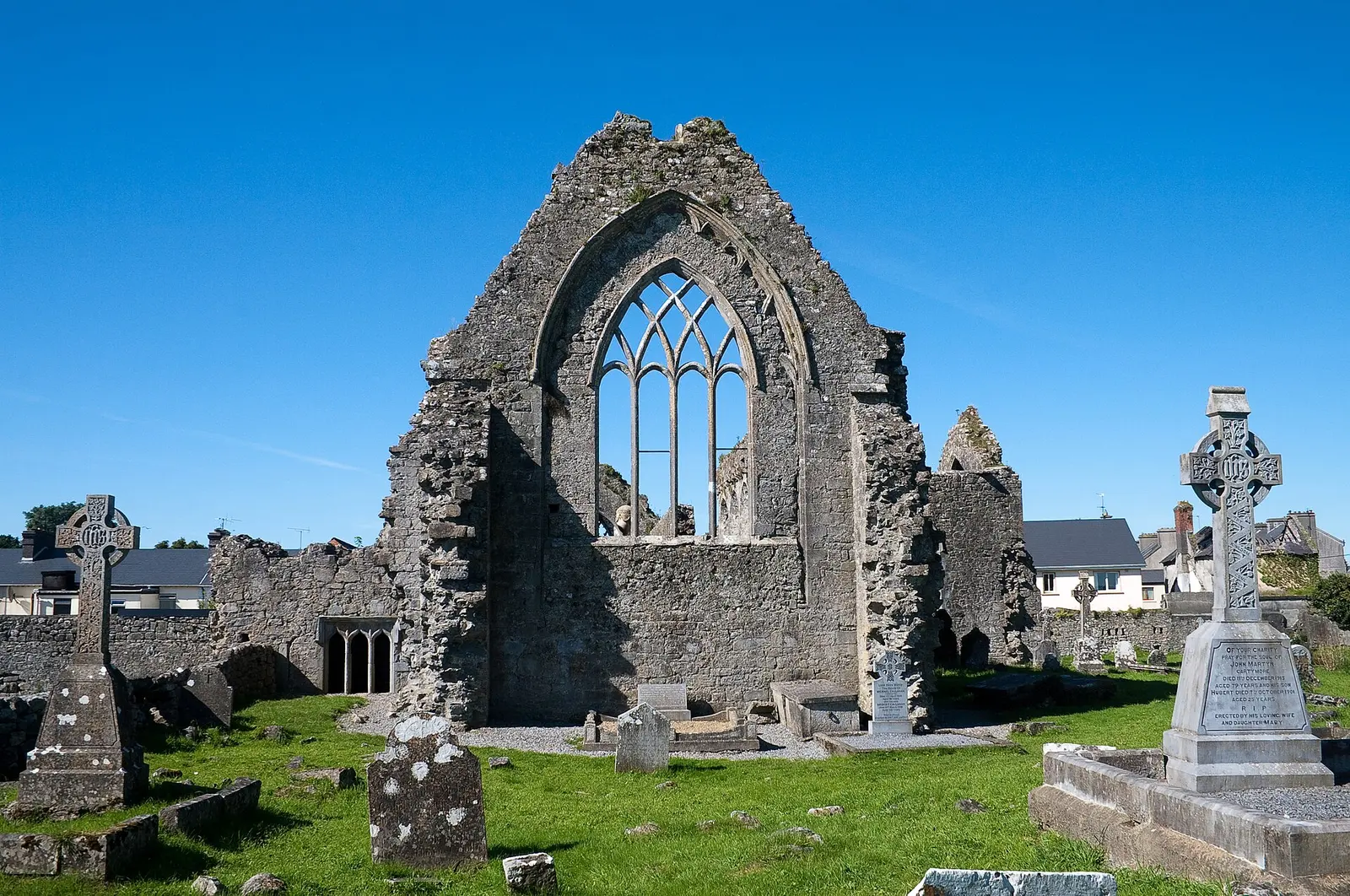
The Priory of St Peter and St Paul was founded in Athenry in 1241 by Meyler de Bermingham, with a refectory built by the King of Connacht and a…
The Fields of Athenry is a 1979 ballad by Pete St John about a Famine-era man from near Athenry transported to Botany Bay for stealing food; Paddy…
The Western Rail Corridor is the partly disused Limerick to Sligo line through Ennis, Gort, Athenry, Tuam and Claremorris: Ennis to Athenry…
The M6, with the M4, is the Dublin to Galway motorway, completed on 18 December 2009 as the first direct city-to-city motorway in Ireland: 120…
Presentation College, Athenry is the voluntary Catholic secondary school under the CEIST trust that grew from the Presentation convent founded…
Loughrea 6
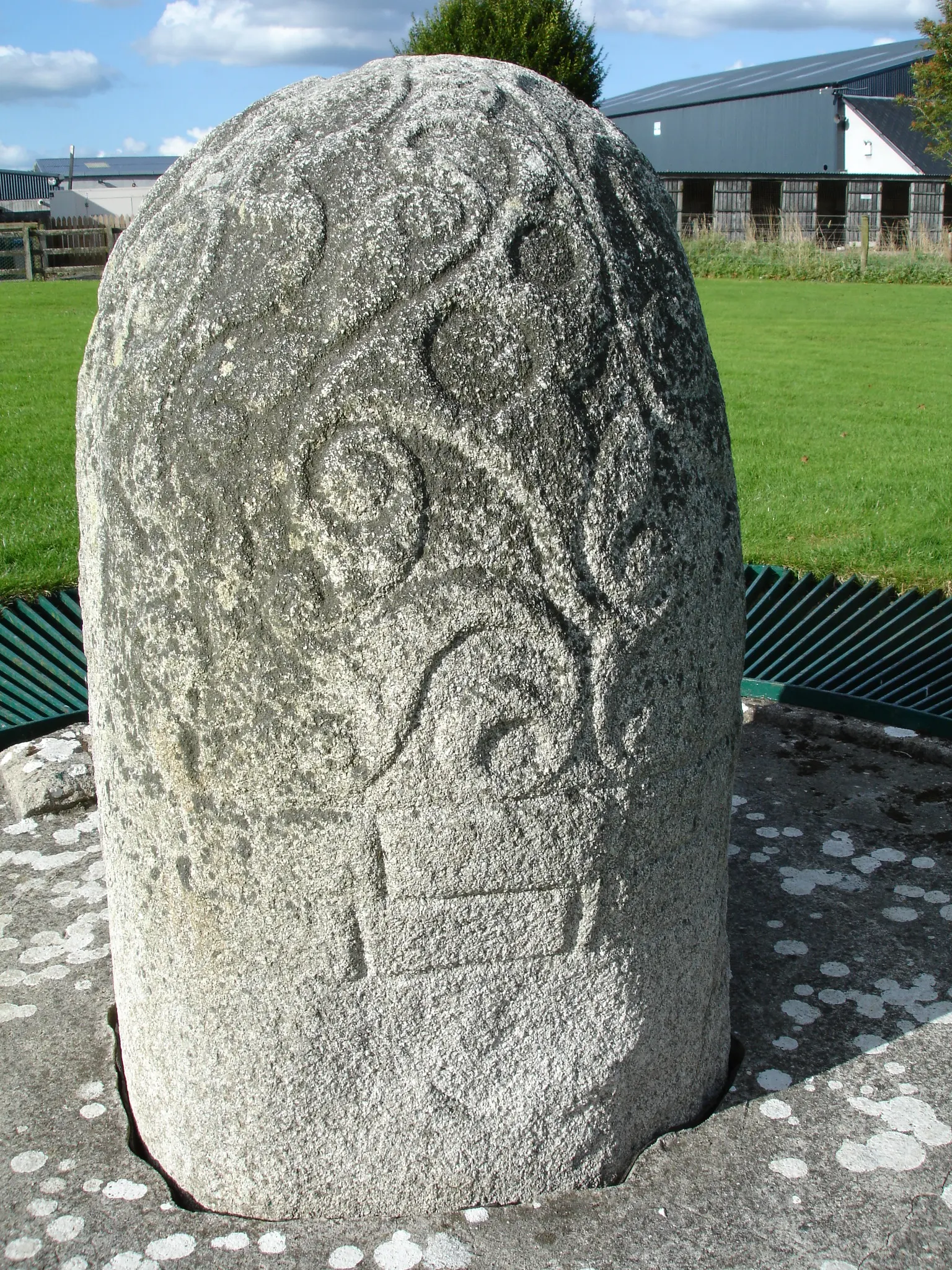
The Turoe Stone is a 1.2-metre granite stone carved in flowing La Tène style around 100 BC to AD 100, normally on the lawn of Turoe House at…
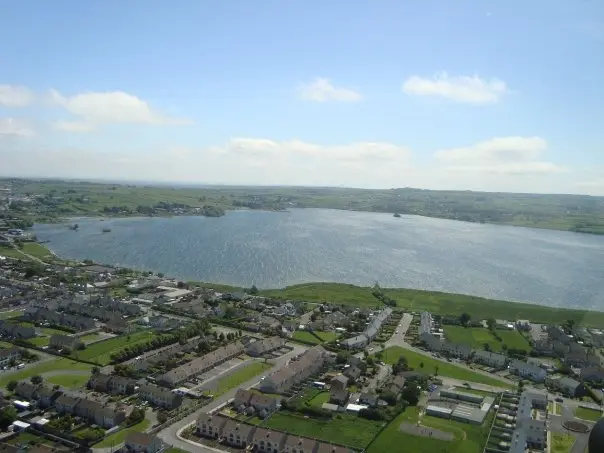
Lough Rea, Loch Riach, the speckled lake, lies against the south side of Loughrea: stocked with trout, pike, perch, rudd, eel and stickleback, and…
Lough Rea, Loch Riach, the speckled lake, lies at the south edge of Loughrea and gives the town its name: stocked with brown trout, perch, pike,…
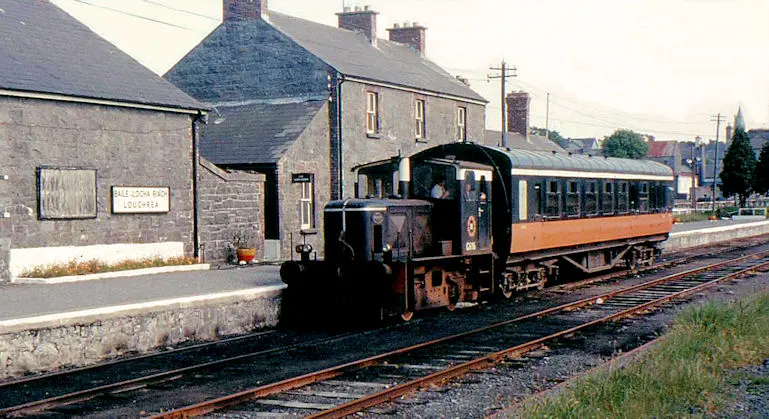
Loughrea station opened in 1890 as the terminus of the branch line from Attymon Junction on the Dublin to Galway line and closed on 3 November…
East Galway's clubs: Loughrea, founded 1884, county champions first in 1941 and again in 2024; Sarsfields of Bullaun, New Inn and Woodlawn, formed…
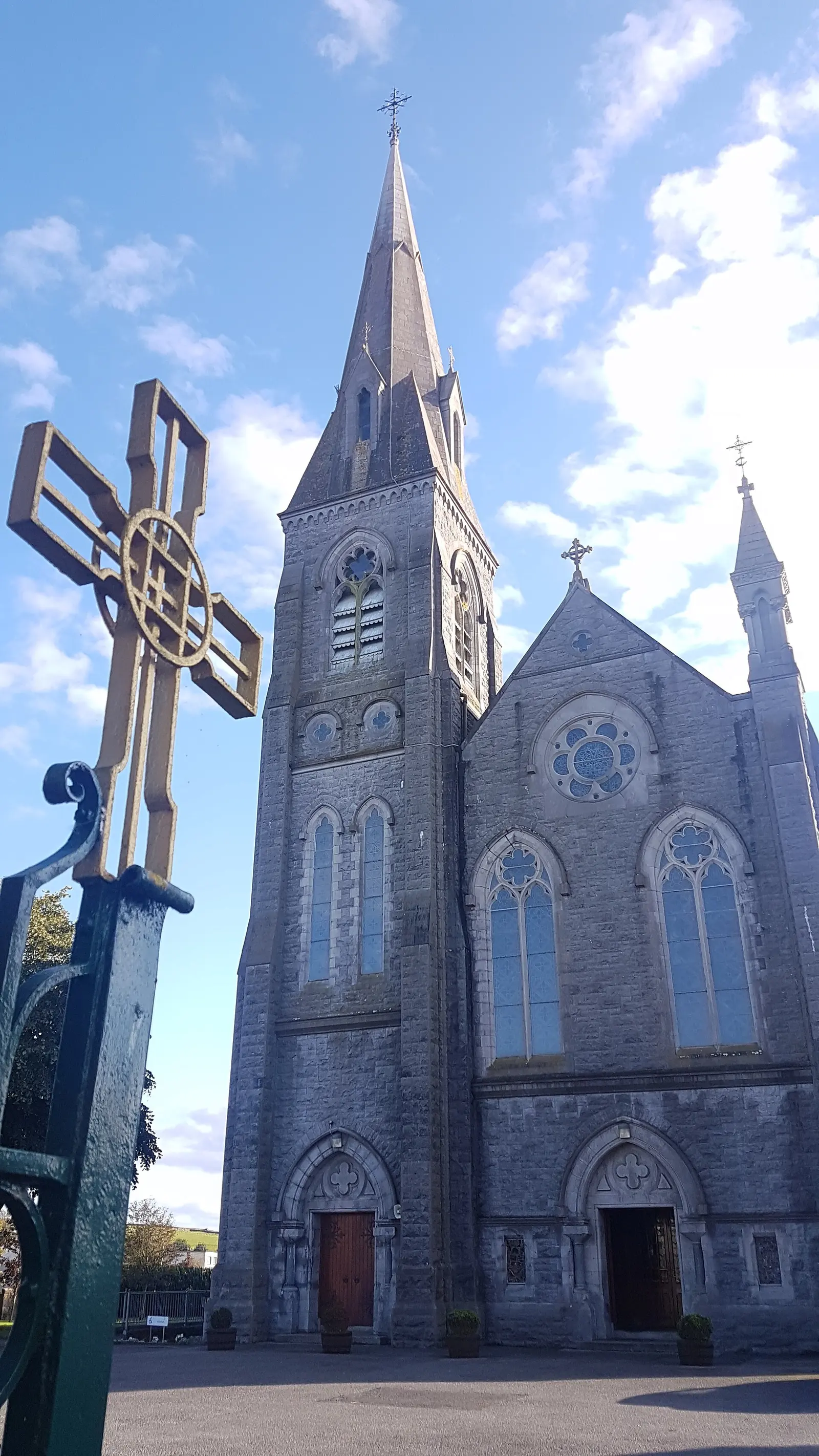
The Cathedral of St Brendan in Loughrea is the cathedral of the Catholic Diocese of Clonfert, a neo-Gothic church holding one of the largest…
Gort 11
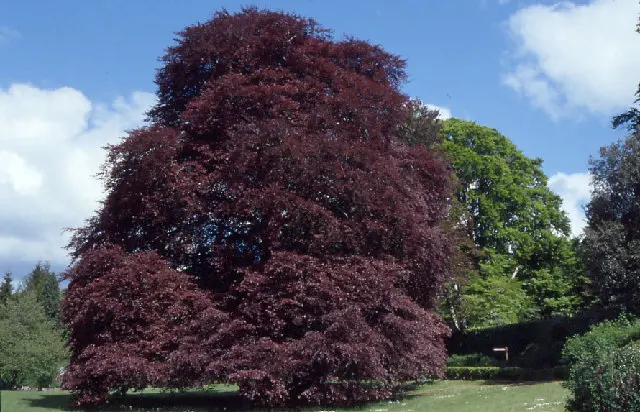
Coole Park is a 1,000-acre nature reserve west of Gort: Lady Gregory's estate, where Yeats wrote The Wild Swans at Coole and the great figures of…
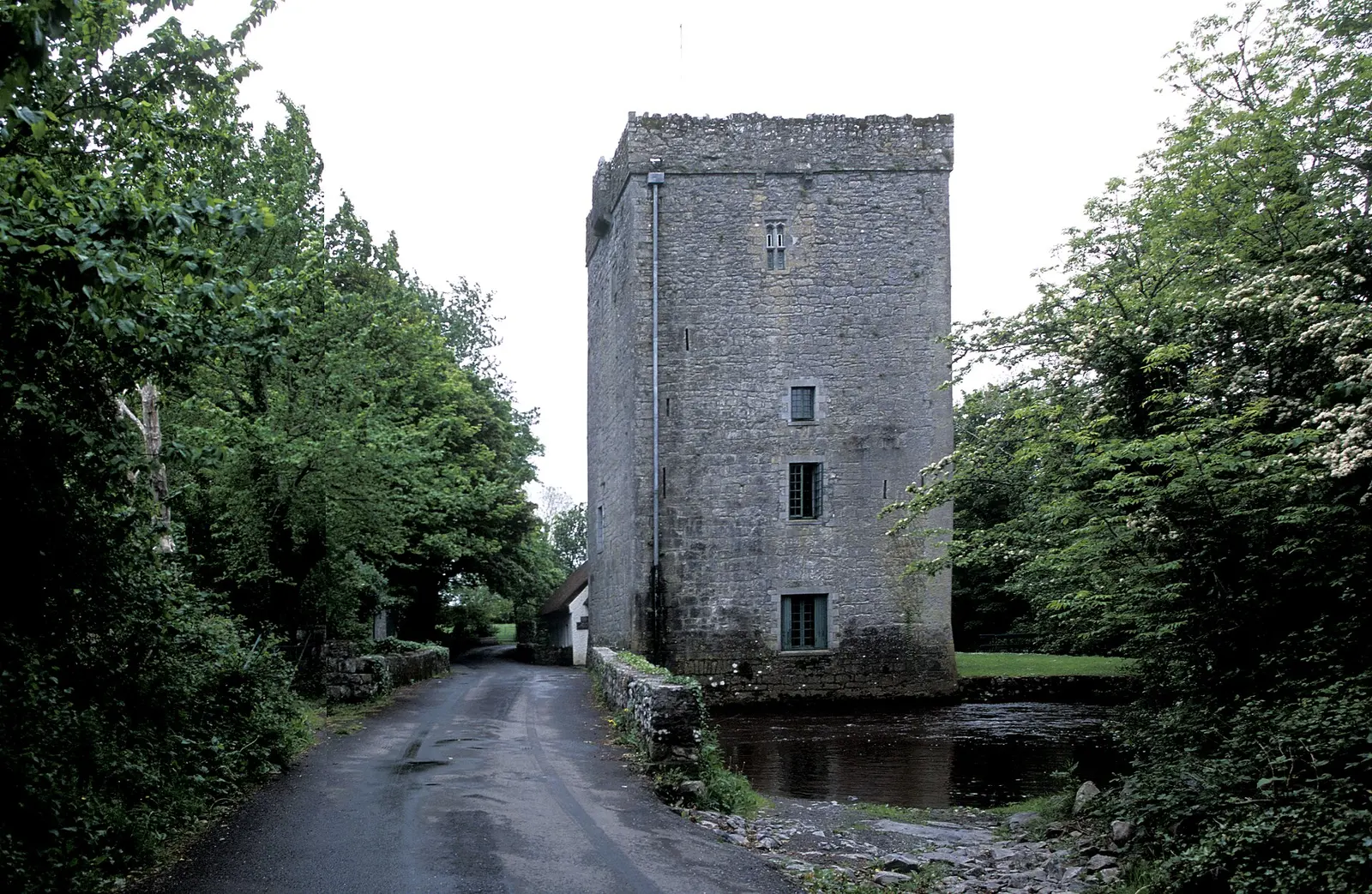
Thoor Ballylee is the 15th-century de Burgo tower house near Gort that W. B. Yeats bought in 1916 or 1917 and lived in: four rooms one above the…
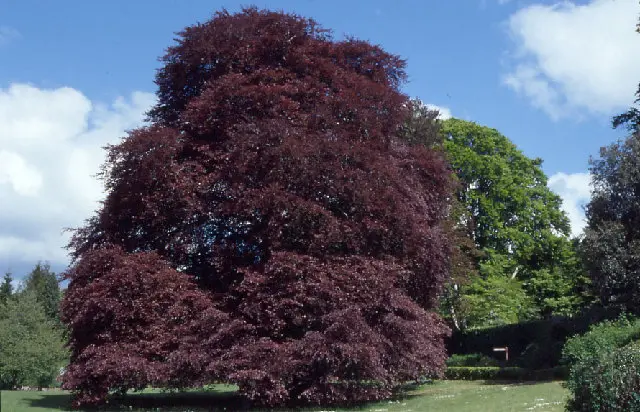
Gort station opened in 1869, closed in 1976 and reopened in March 2010 as part of the Western Rail Corridor between Ennis and Athenry, after a…
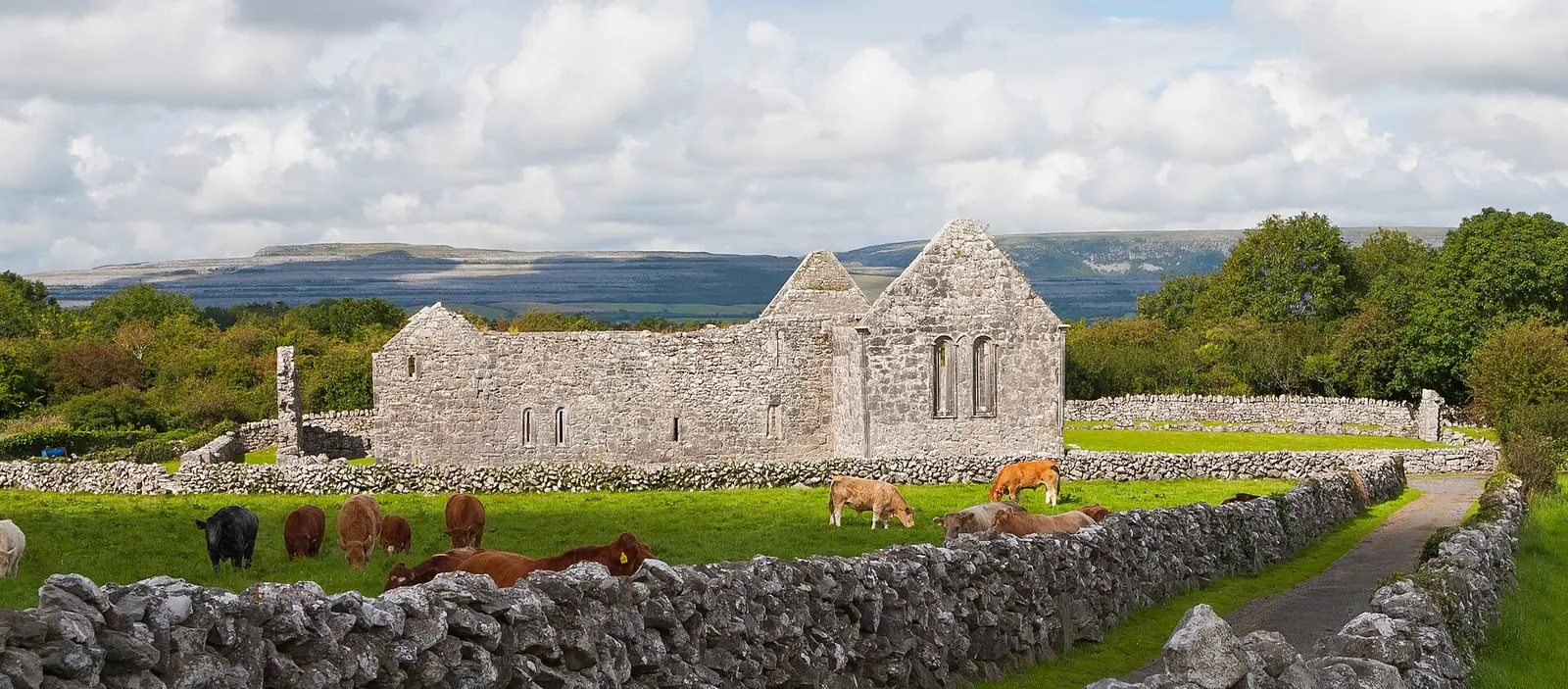
Kilmacduagh, 5 km from Gort, is the ruined monastery St Colman founded in the 7th century on land from King Guaire: a cathedral, five more…
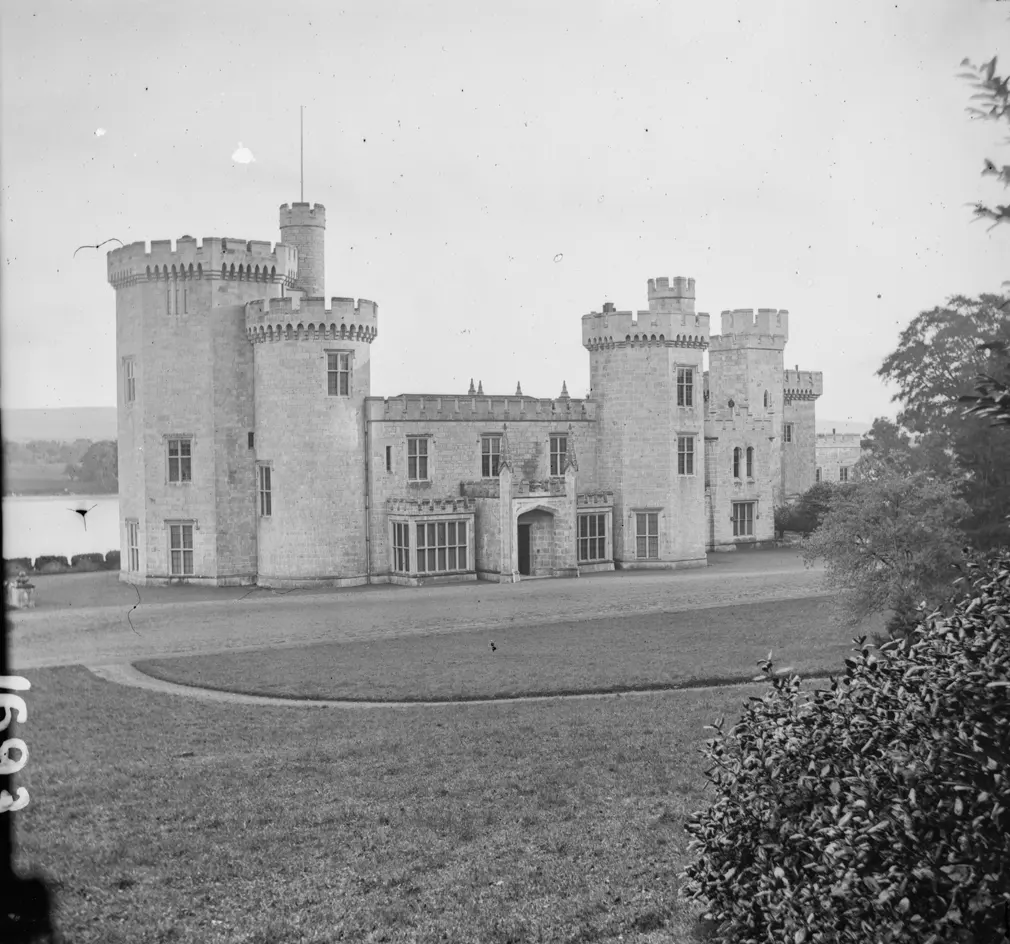
Lough Cutra Castle, 3 km south of Gort, was designed by John Nash for Colonel Charles Vereker, 2nd Viscount Gort, built from 1811 to 1817, later…
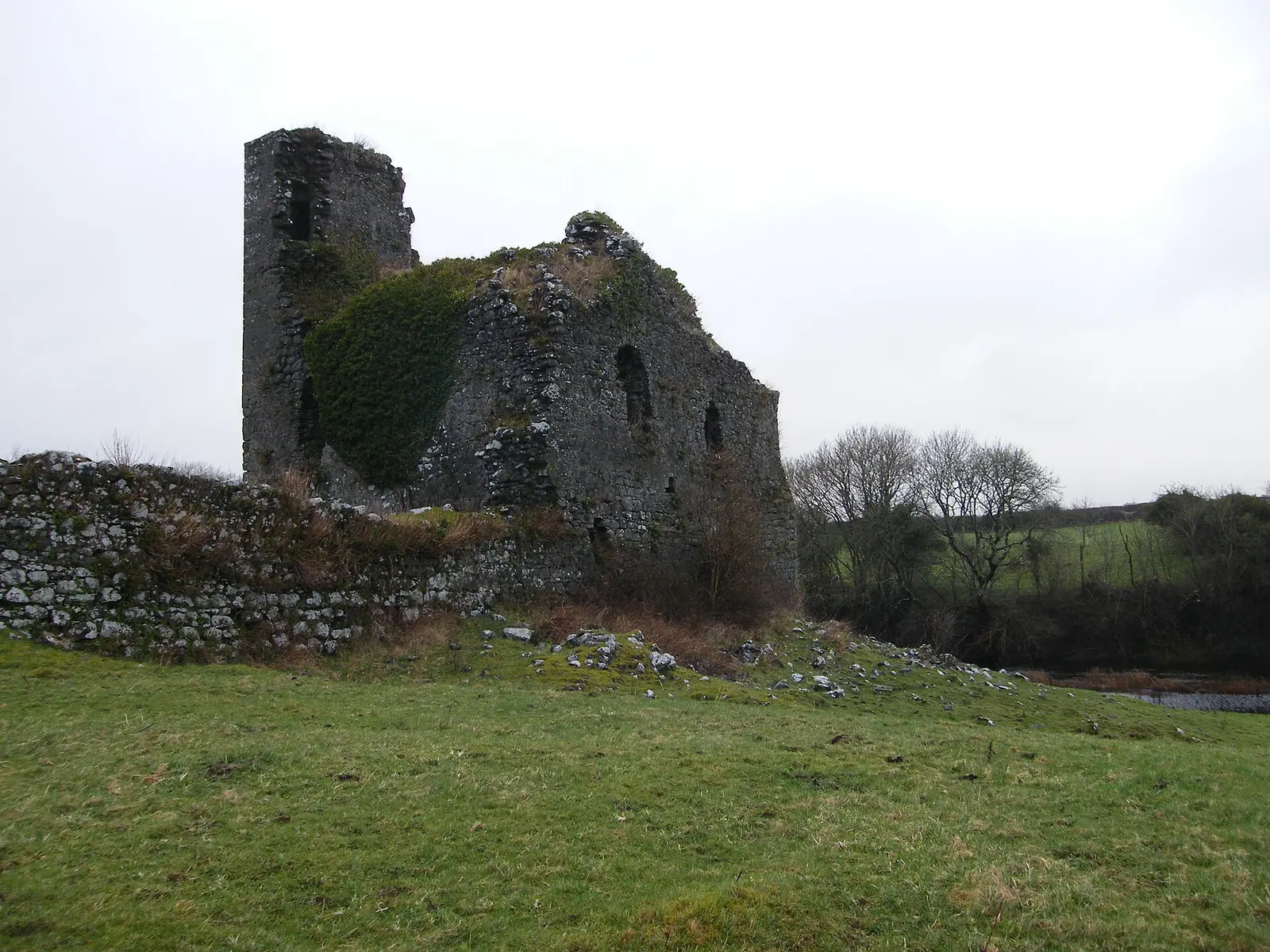
Kiltartan, Cill Tartan, is the barony and civil parish around Gort named for the Burkes' ruined Kiltartan Castle: its south was O'Shaughnessy's…
Augusta Persse, Lady Gregory, born at Roxborough between Gort and Loughrea on 15 March 1852, married Sir William Gregory of Coole, met Yeats at…
The M18 is the Limerick to Galway motorway of the Atlantic Corridor: the Crusheen to Gort section of 22 km opened on 12 November 2010 after work…
South Galway plays hurling: Gort, formed about 1900, seven county titles from 1914 to 2014 and an All-Ireland final in 1984; Ardrahan, founded…
Gort Community School, Pobalscoil Ghort Inse Guaire, founded in 1995, had over 1,000 pupils in 2025 under principal Brian Crossan: the Noone…
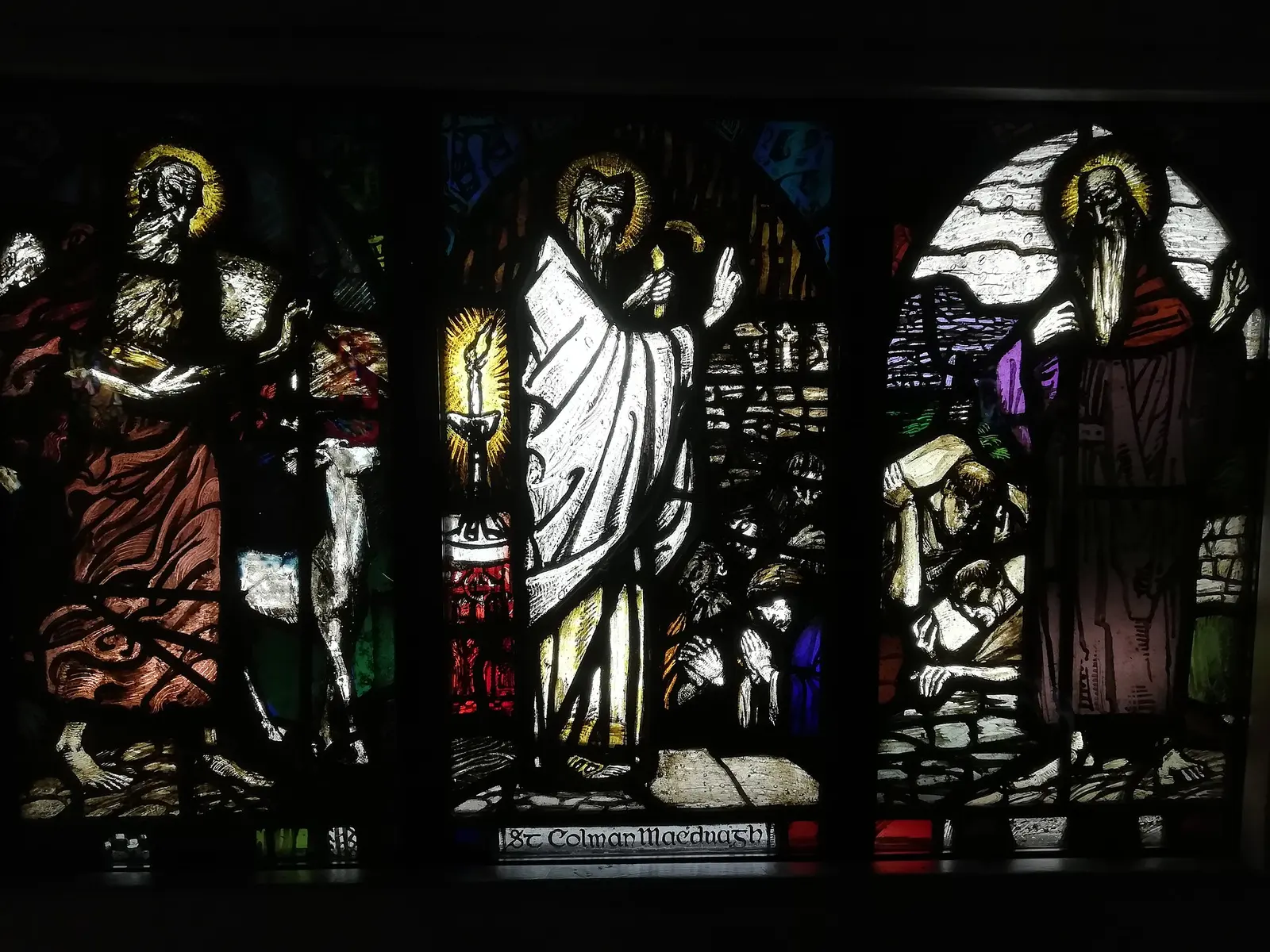
Colman mac Duagh, born about 560 at Corker in Kiltartan, son of the chieftain Duac and Queen Rhinagh, and died on 29 October 632, was educated at…
Ballinasloe 6
Ballinasloe station, a gabled Tudor-style building by George Wilkinson opened on 1 August 1851, is on the Dublin to Galway line; change at Athlone…
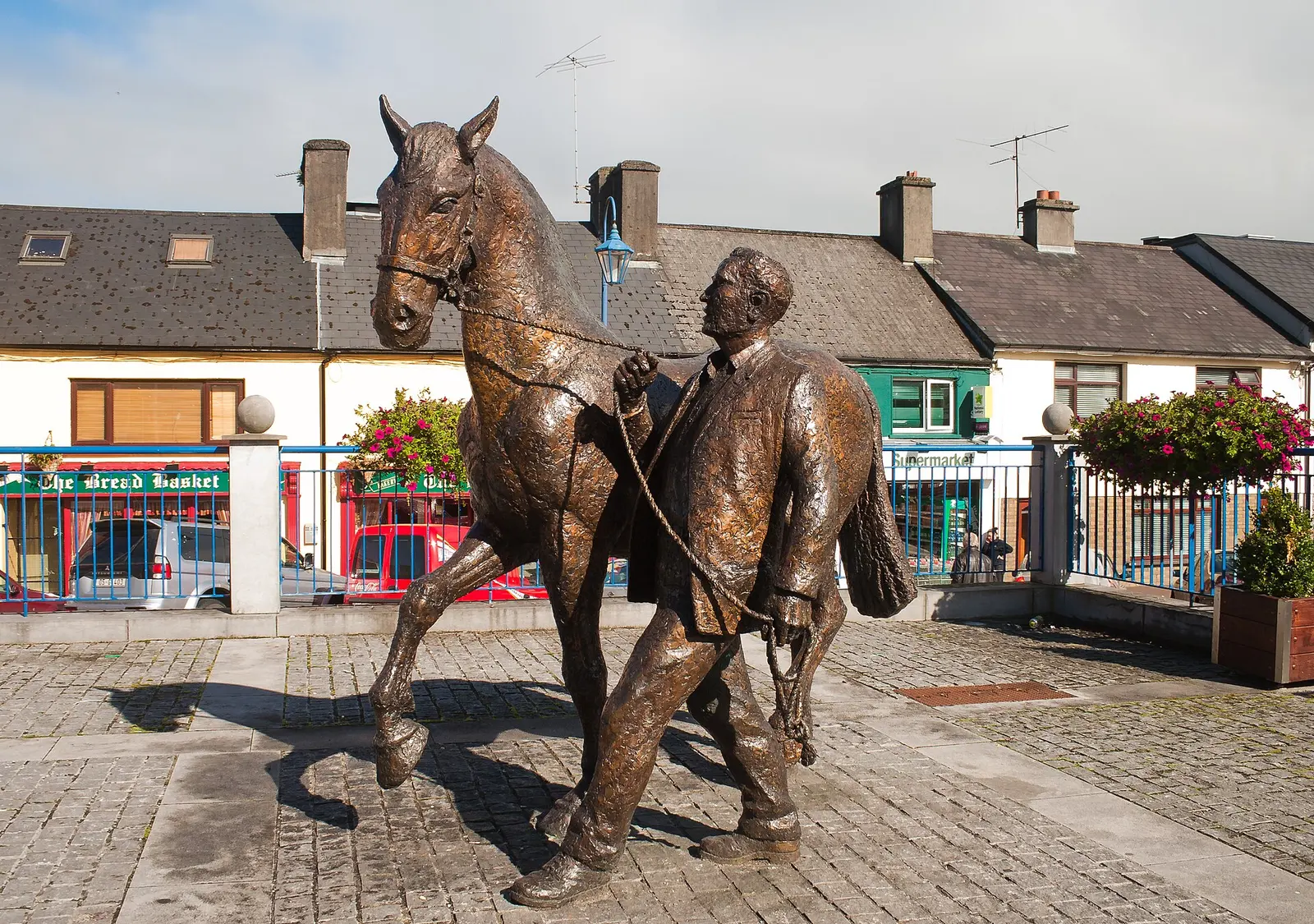
The Ballinasloe Horse Fair, Europe's oldest and largest, runs for seven days from the Sunday before the first Tuesday in October: horses sold,…
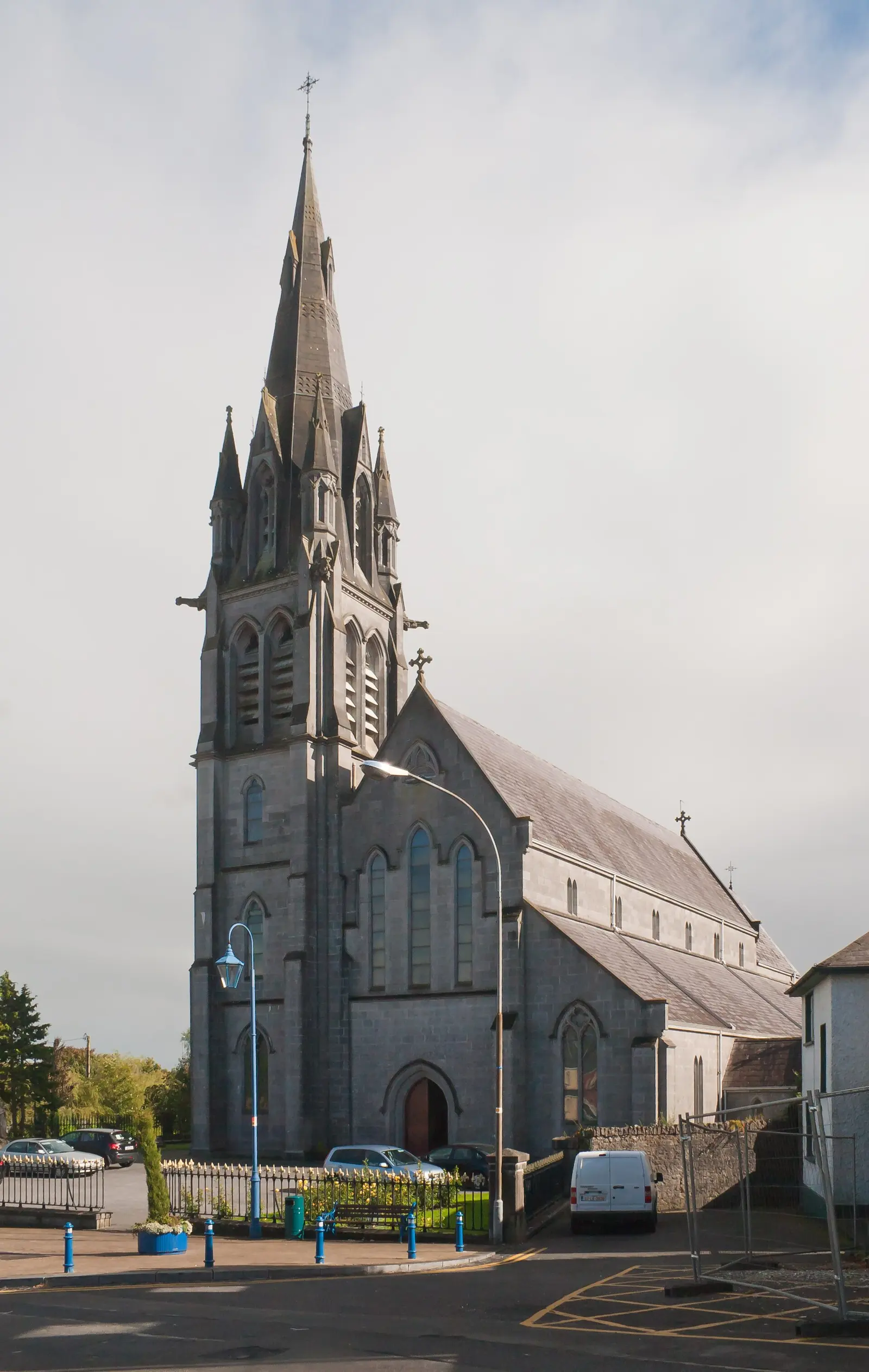
St Michael's, the large limestone Catholic church at the south end of St Michael's Square in Ballinasloe, was designed by J. J. McCarthy after a…
St Joseph's College, Garbally Park, was Ballinasloe's Catholic boys' secondary school in the former seat of the Earls of Clancarty: founded as a…
Woodlawn, opened on 1 August 1858 beside a level crossing on the R359, and Attymon, opened as a junction on 1 December 1890, are the two small…
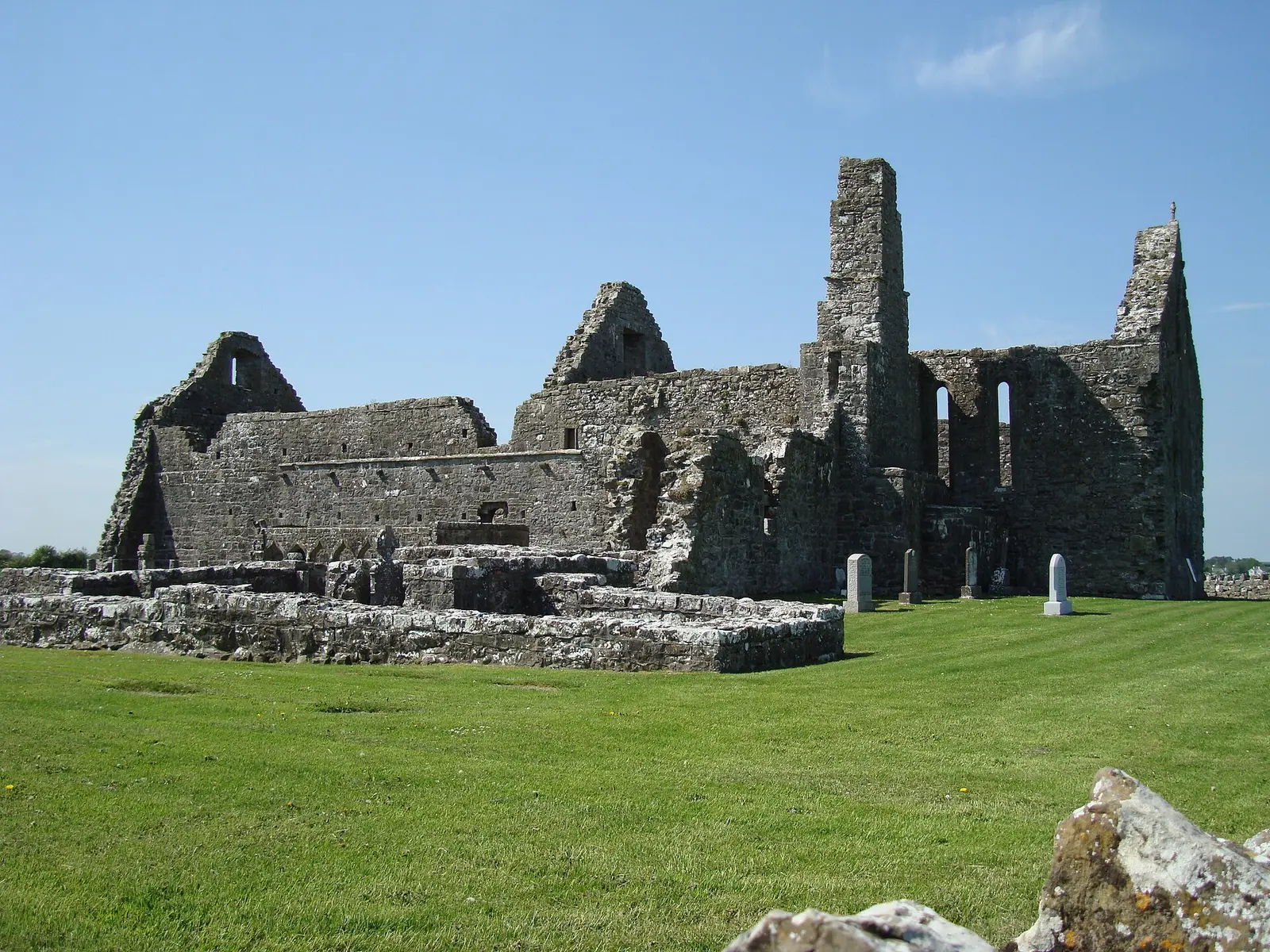
Clontuskert Abbey, the Priory of St Mary of Clontuskert-Hy-Many, 5 km south of Ballinasloe by the Ballinure River, stands on a monastery founded…
Letterfrack 7
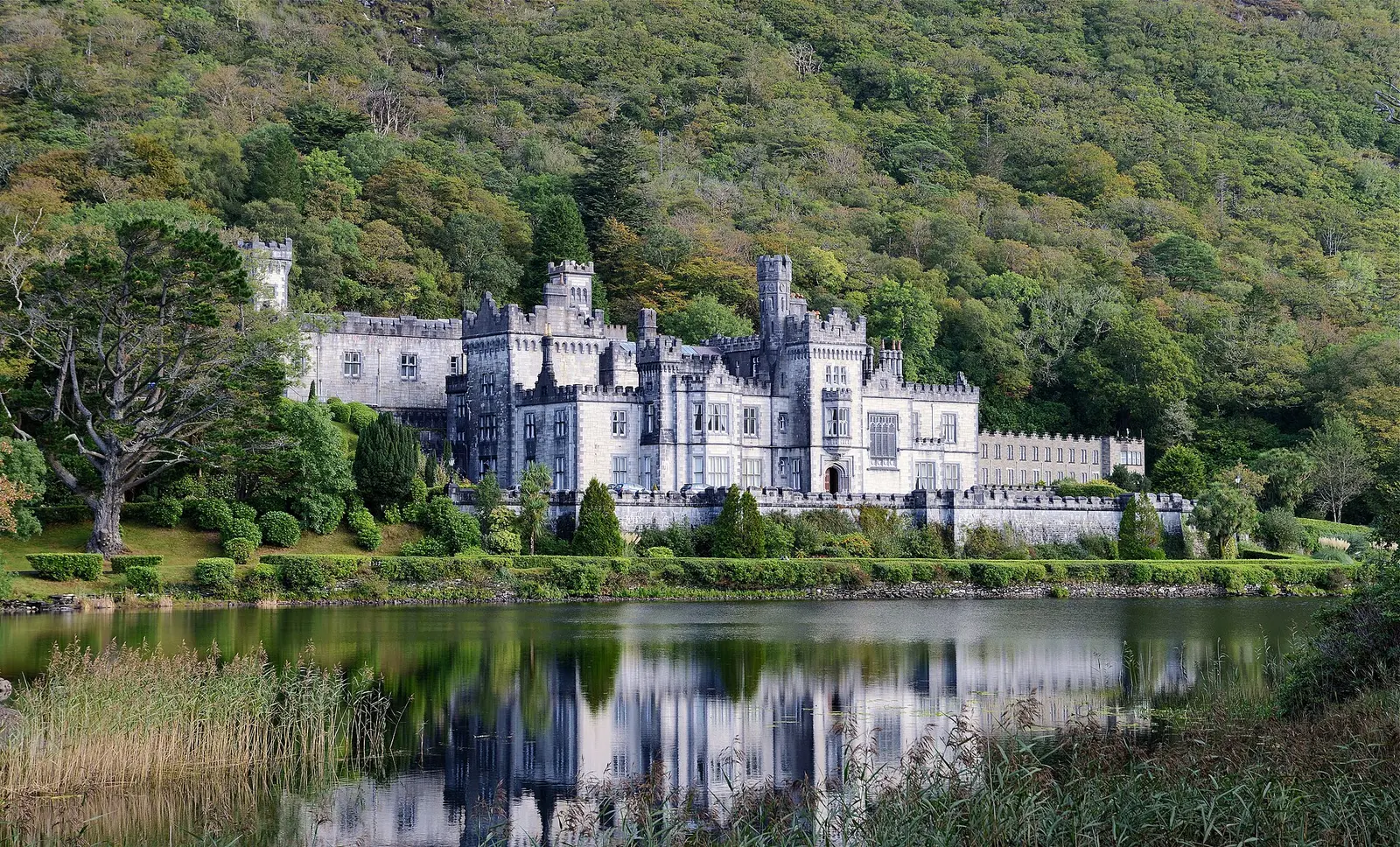
Kylemore Abbey is the Benedictine monastery in a Connemara castle built in 1868 for Mitchell Henry: 70 rooms of Dalkey granite and Ballinasloe…
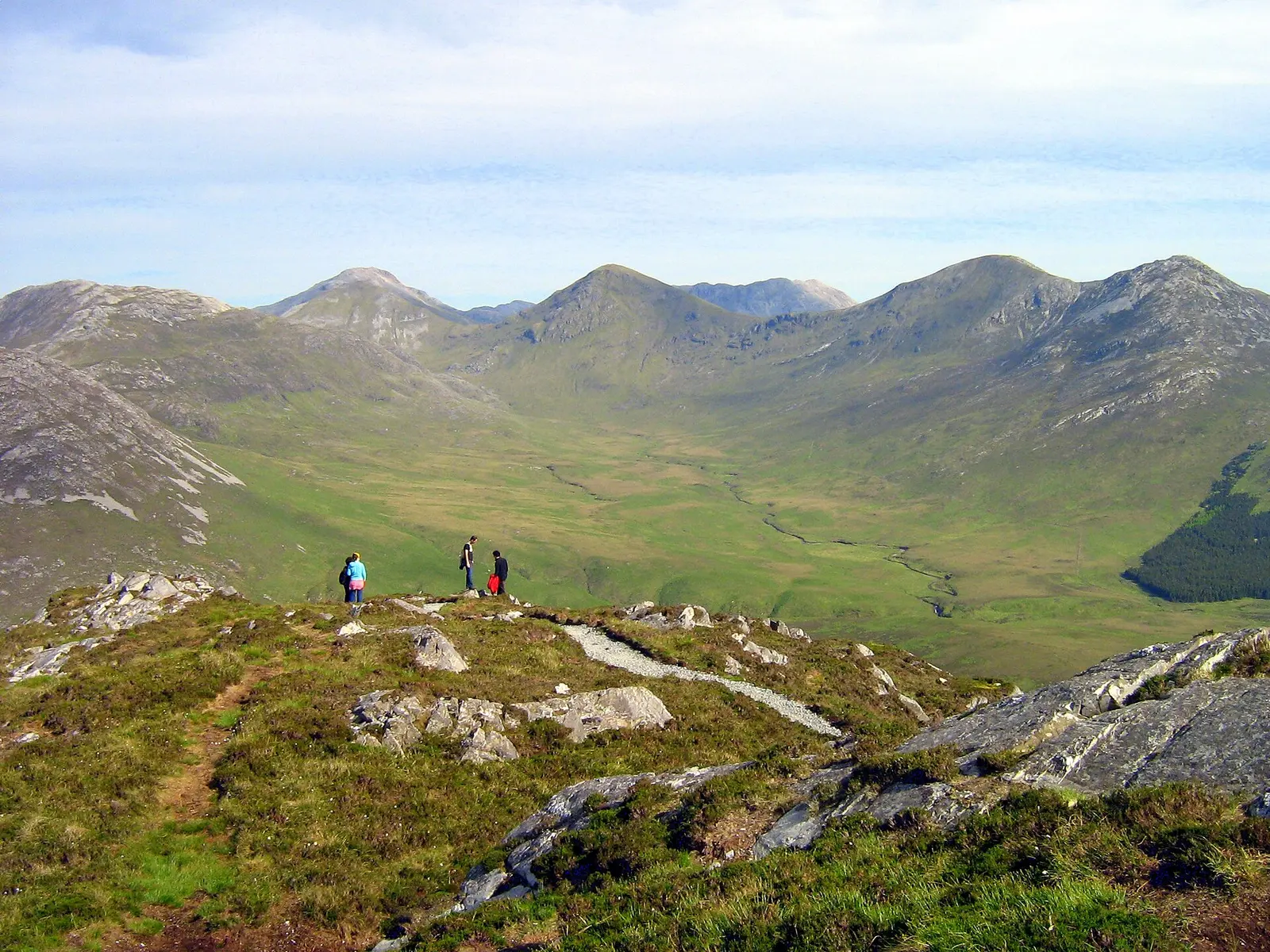
Connemara National Park at Letterfrack, opened in 1980, covers 2,000 hectares of mountain, blanket bog, heath and woodland that was once Kylemore…
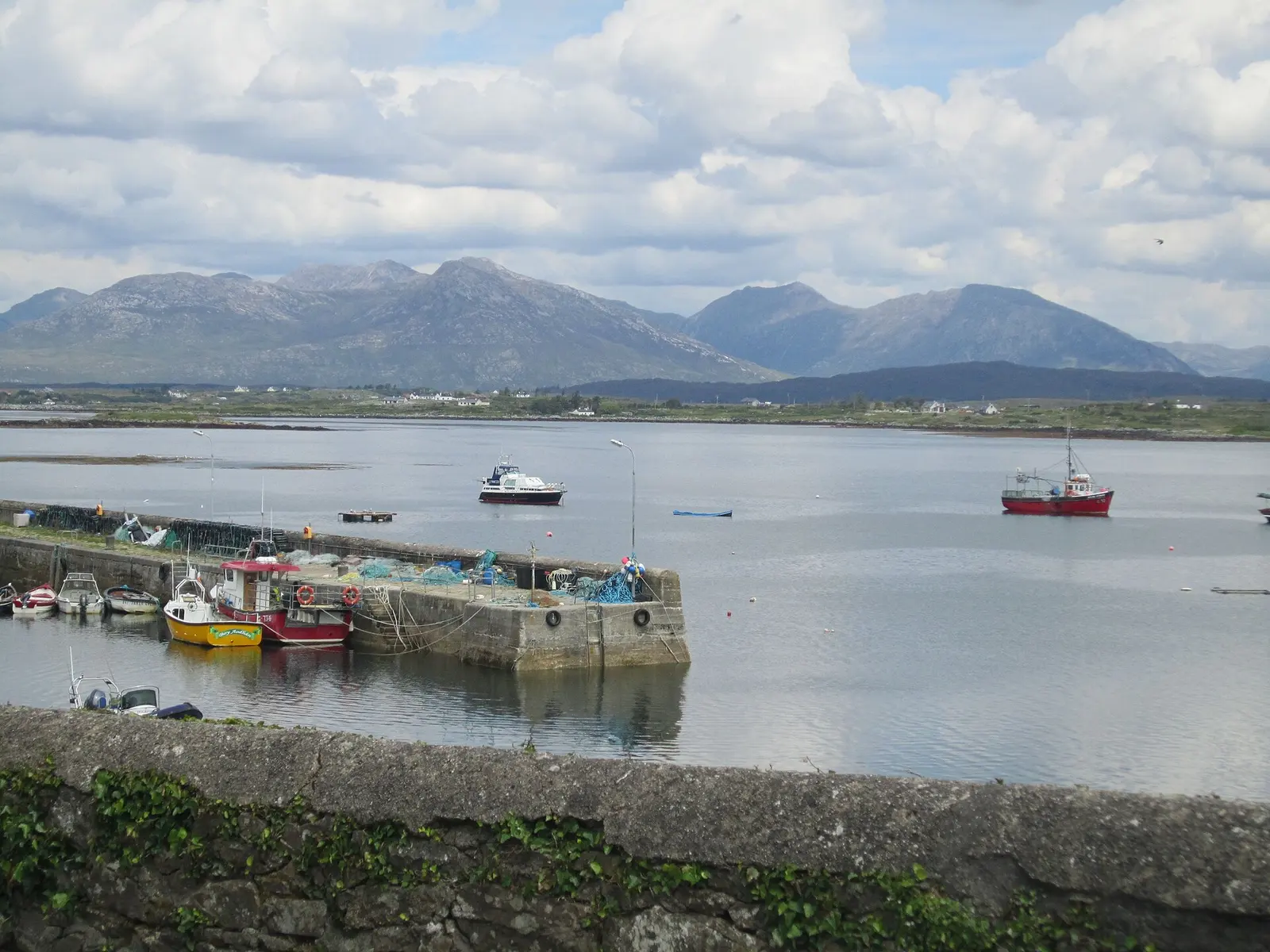
The Twelve Bens, Na Beanna Beola, are the quartzite peaks of Connemara National Park: Benbaun at 729 m the highest, 22 summits in the core massif,…
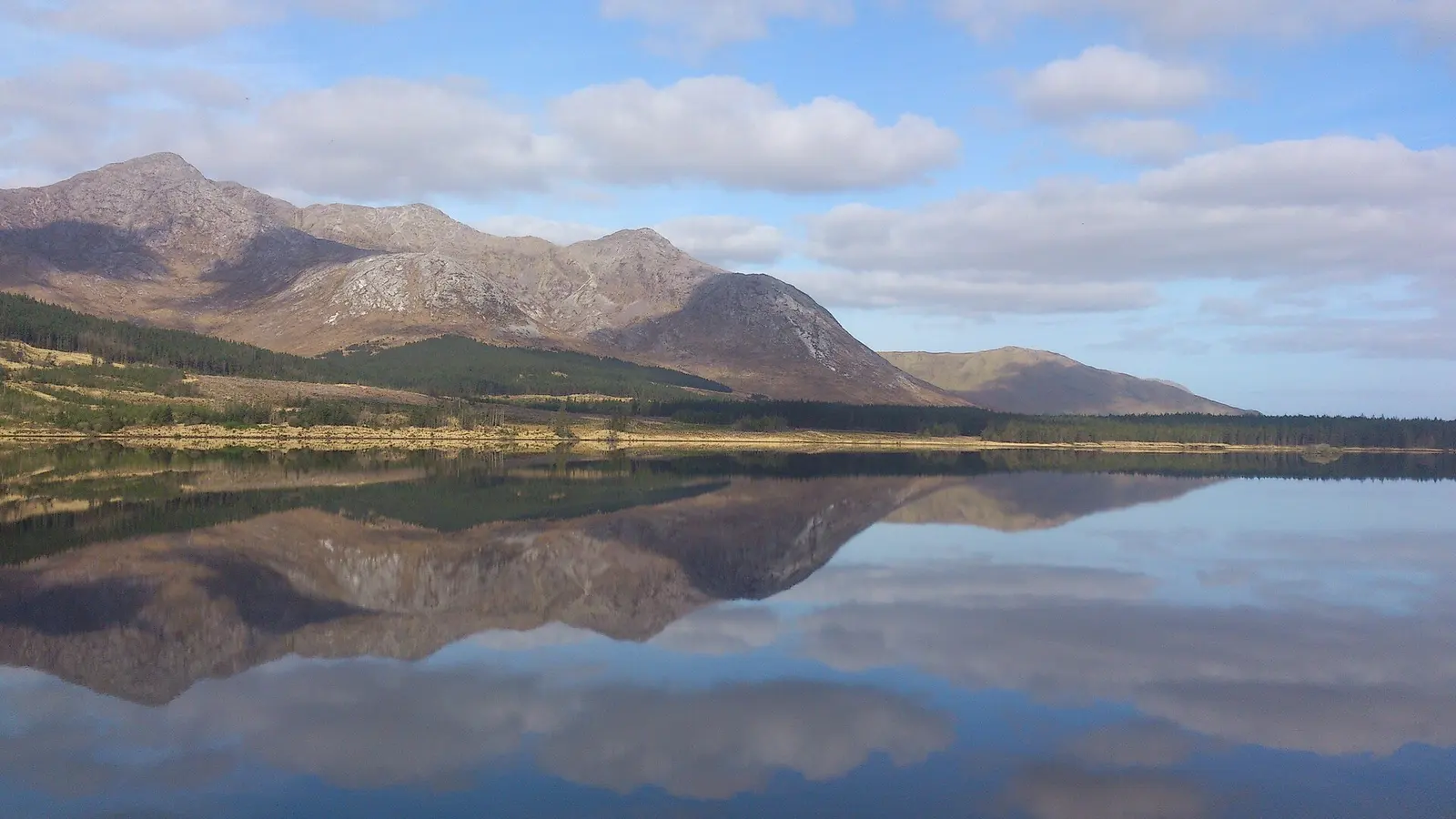
Lough Inagh, Loch Eidhneach, lies in the Inagh Valley on the R344 about 23 km east of Clifden, with Derryclare and Bencorr of the Twelve Bens…
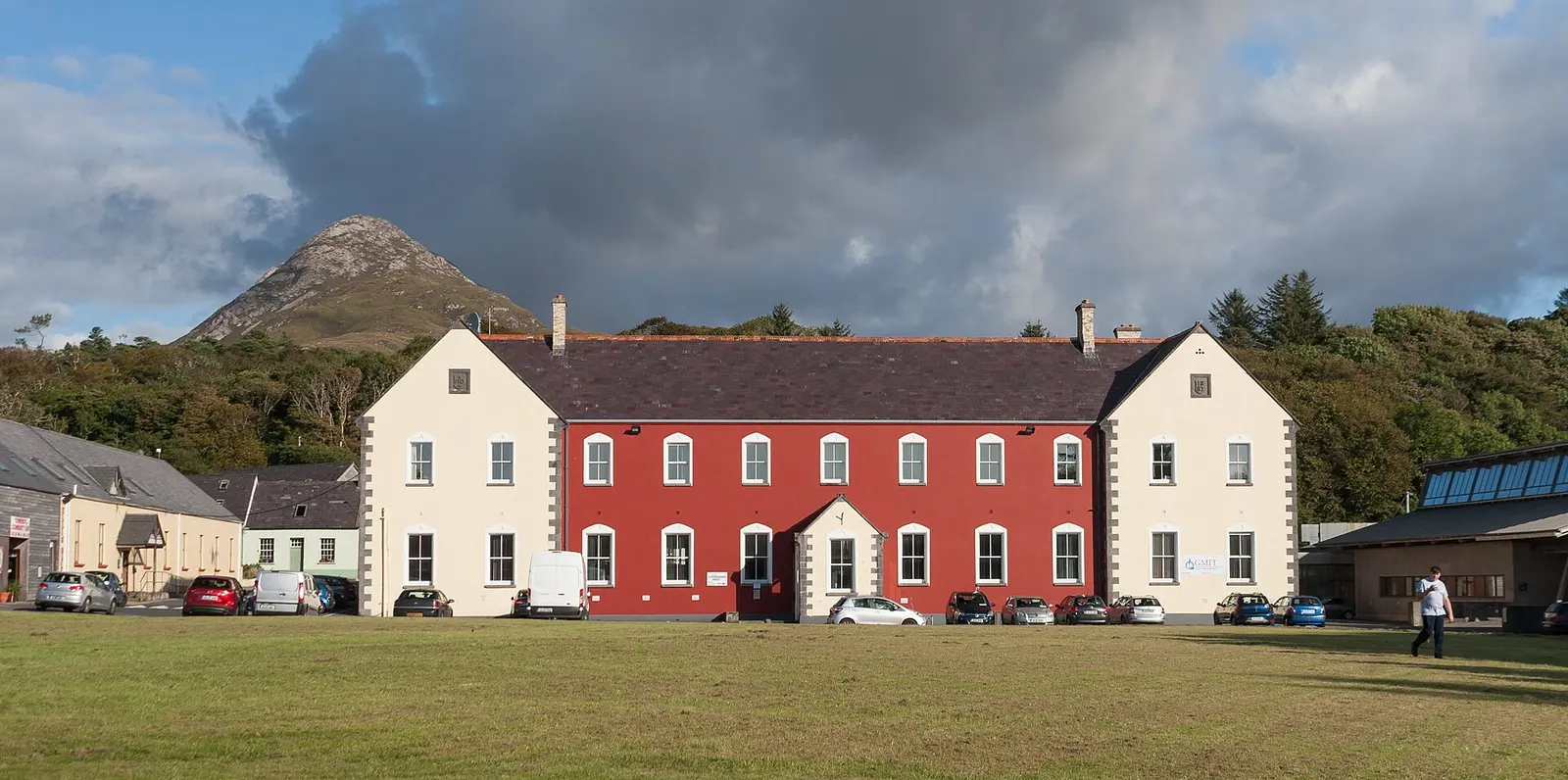
St Joseph's Industrial School at Letterfrack, built in 1886 and 1887 to William Hague's design and run by the Christian Brothers until it closed…
Benbaun, Binn Bhán, the white peak, is the highest of the Twelve Bens and the county top of Galway at 729 metres, the 72nd highest peak in Ireland…
Letterfrack, Leitir Fraic, at the head of Ballinakill harbour 15 km north-east of Clifden, was founded in the Famine by James and Mary Ellis,…
Oughterard 7
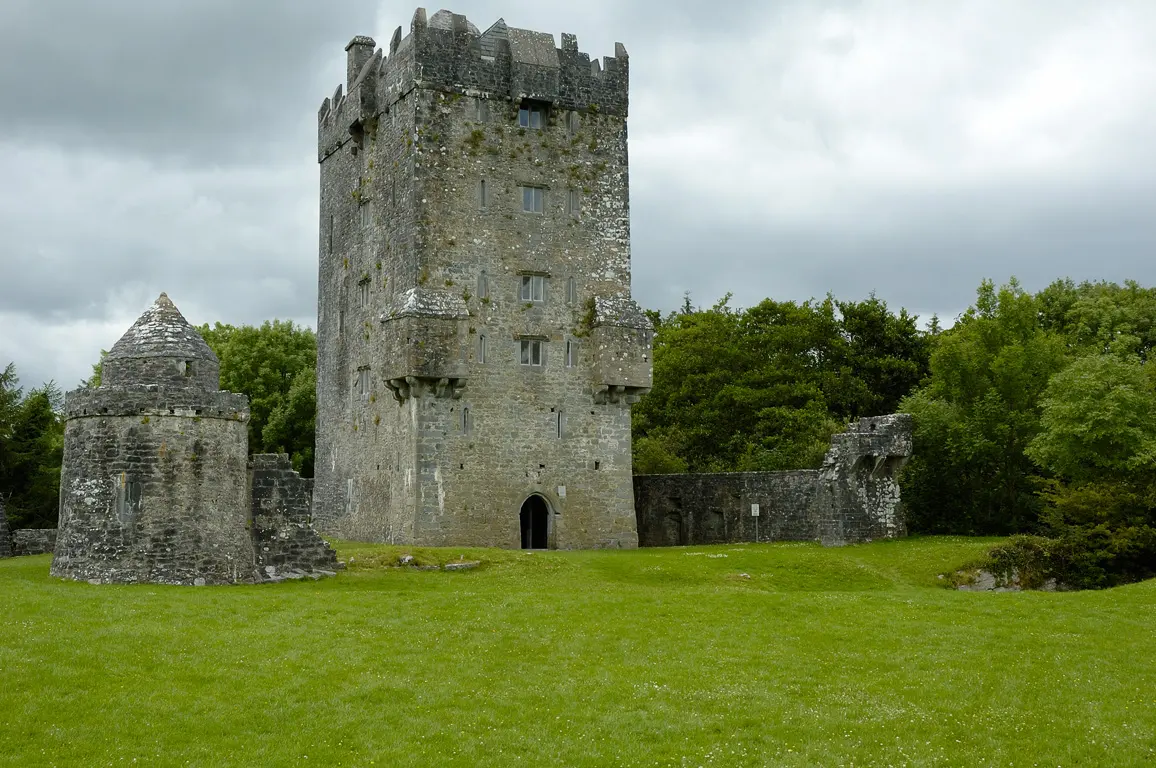
Aughnanure Castle near Oughterard is the O'Flahertys' late 15th-century tower house by Lough Corrib, restored in the 1960s: six storeys with…
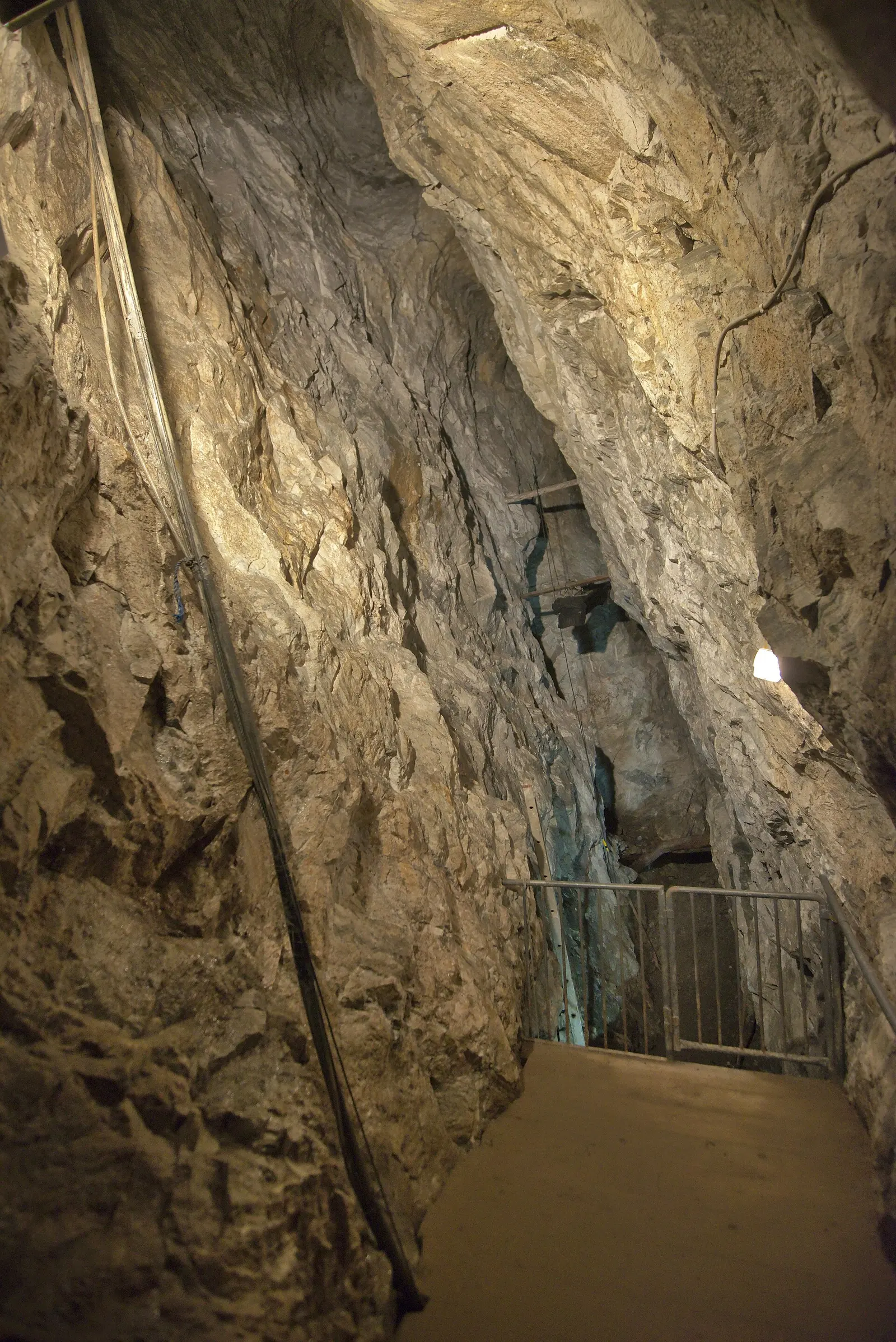
Glengowla Mines outside Oughterard is a show mine on the site of a lead and silver working that began in 1851 when a farmer found galena under the…
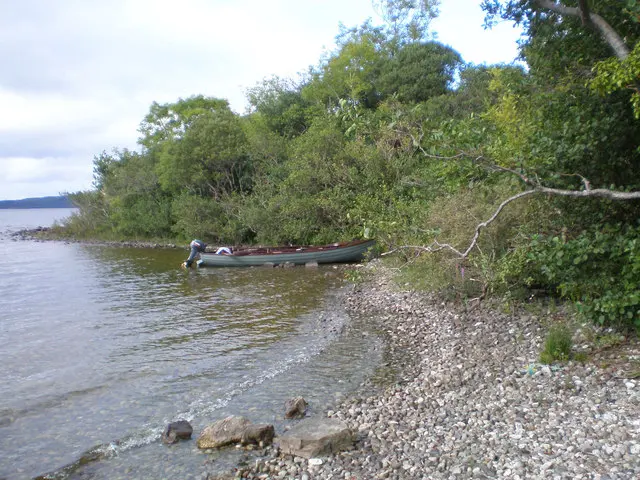
Inchagoill, the island of the devout foreigner, lies in Lough Corrib halfway between Oughterard and Cong: St Patrick's Church of the 6th or 7th…
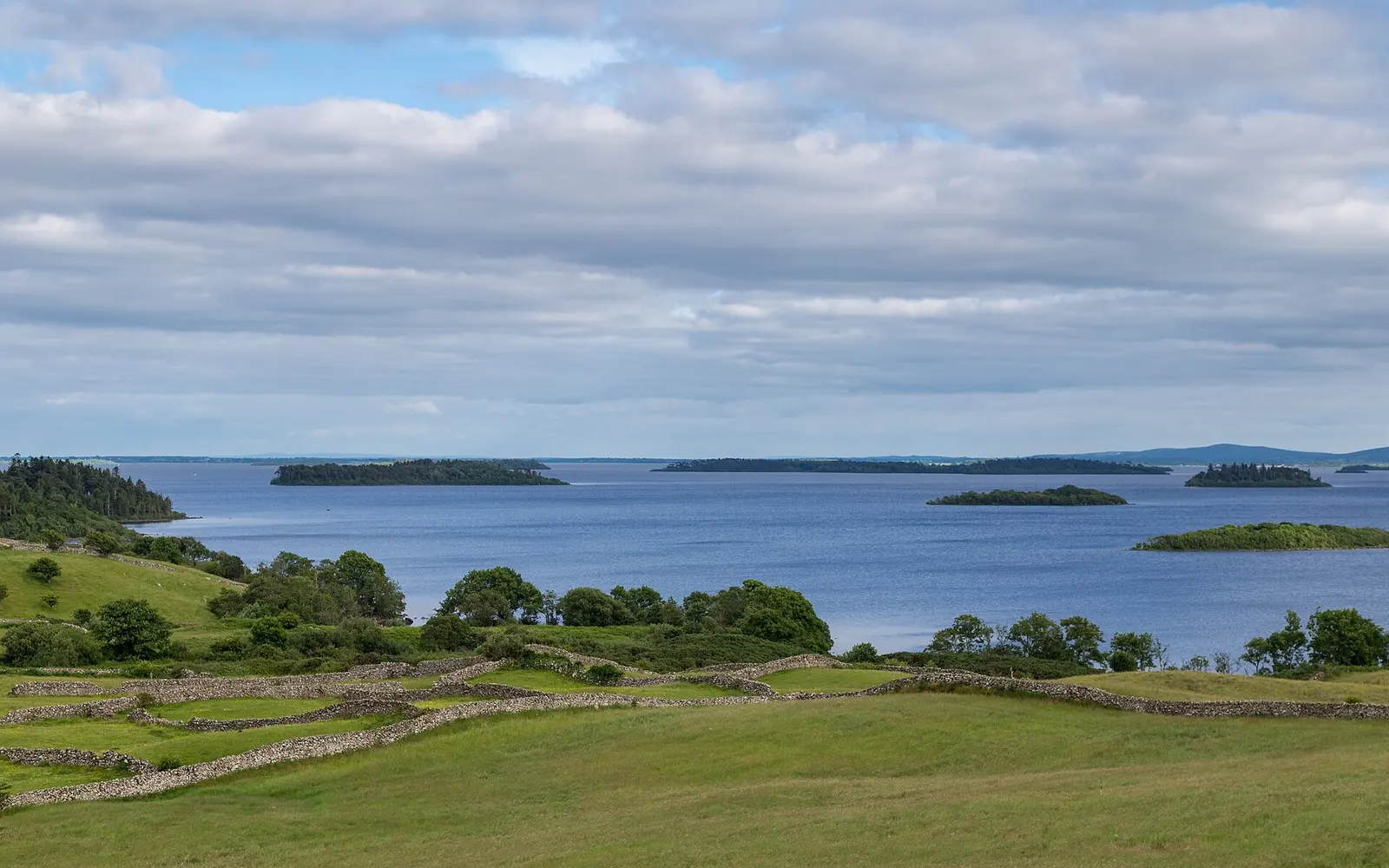
Lough Corrib, 176 square kilometres, is the largest lake in the Republic: the 12th-century Friar's Cut was the first canal in Ireland, the chart…
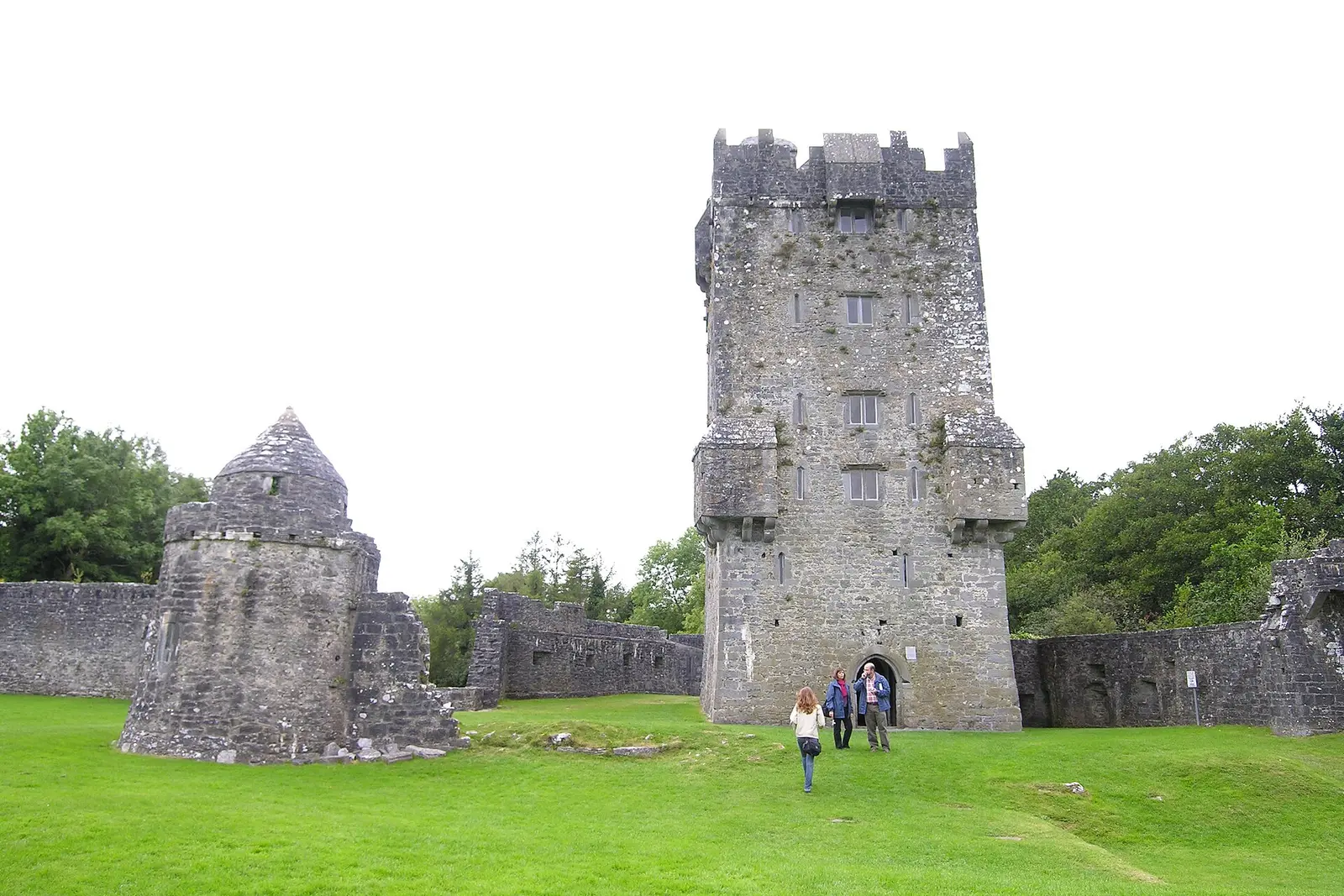
Maam Cross, an Teach Dóite, the burned house, is the junction of the N59 and the R336 to the Maam Valley, with a hotel, a filling station and a…
Football west of the Corrib: Oughterard, founded 1908, named for Seamus O'Maille executed in 1923, county champions in 1938 and All-Ireland…
Oughterard, Uachtar Ard, on the Owenriff River 26 km north-west of Galway on the N59, is the chief angling centre of Lough Corrib and one of the…
Kinvarra 4
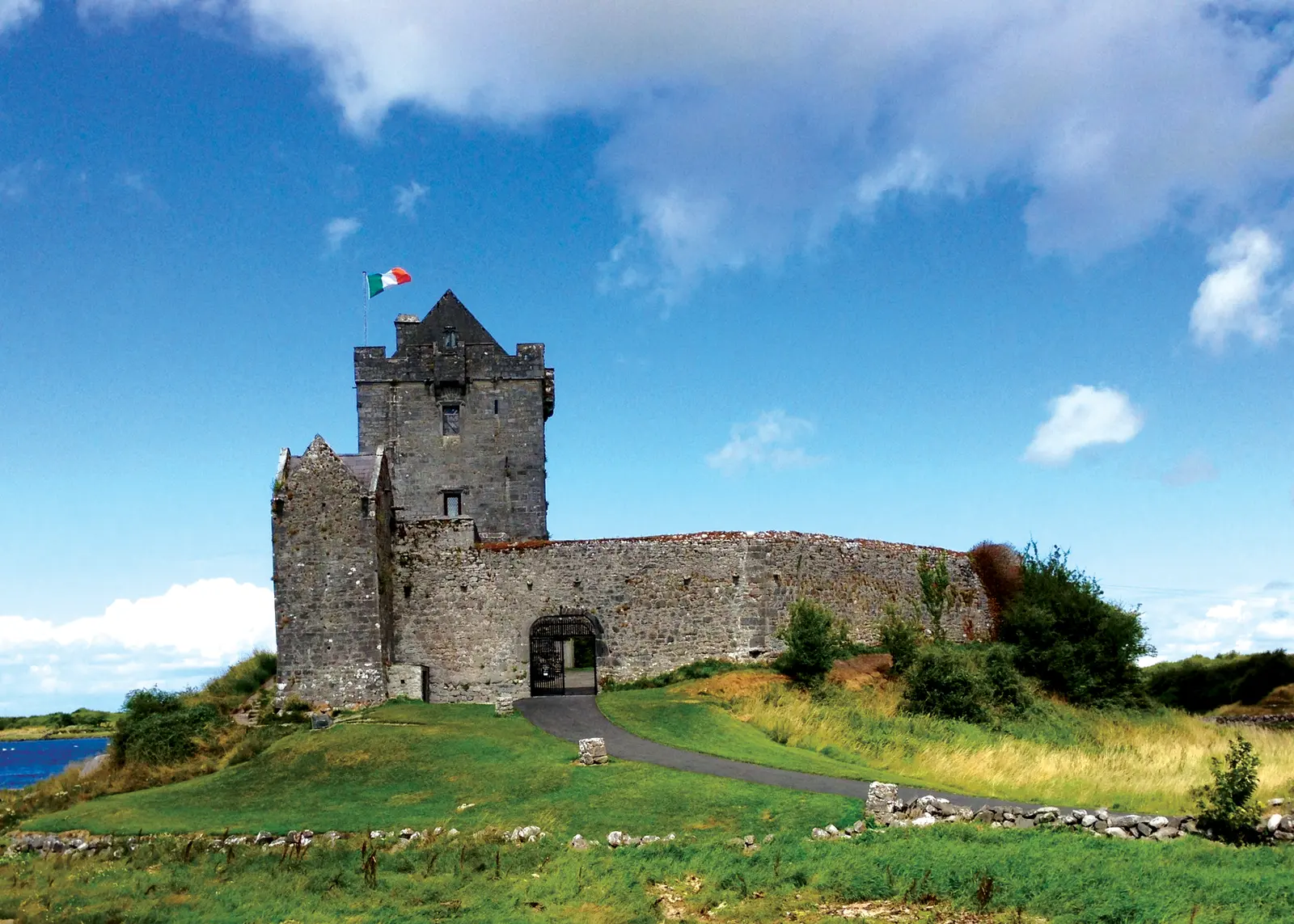
Dunguaire Castle is the 16th-century O'Hynes tower house on Galway Bay at Kinvara, named for King Guaire's fort, restored in the 1980s and seen in…
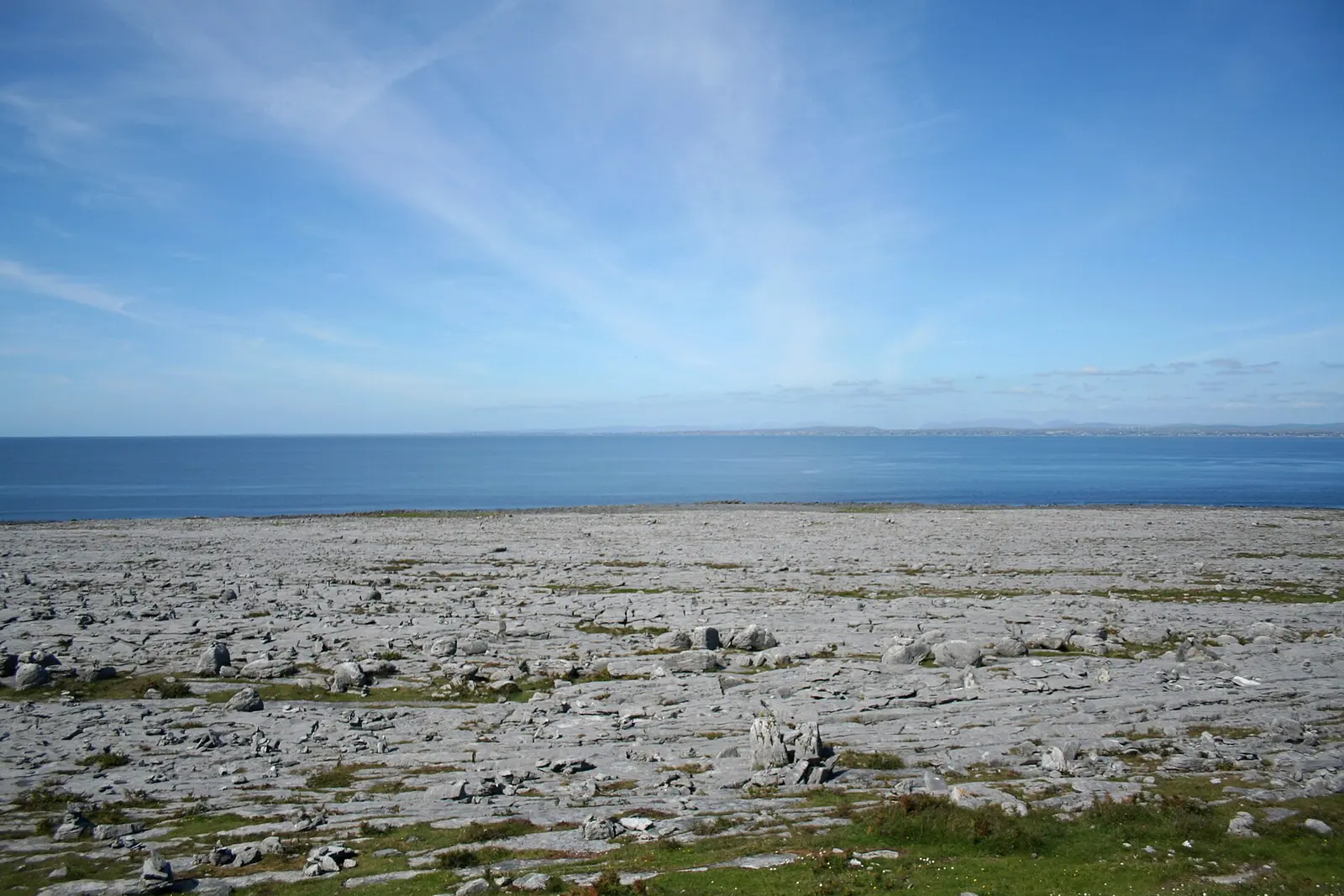
The Burren, Boirinn, the rocky district, is the 530-square-kilometre karst landscape inside the circle of Lisdoonvarna, Corofin, Gort and Kinvara:…
Kinvara, Cinn Mhara, the head of the sea, is the port village at the head of Kinvara Bay in the south-east corner of Galway Bay, in the barony of…
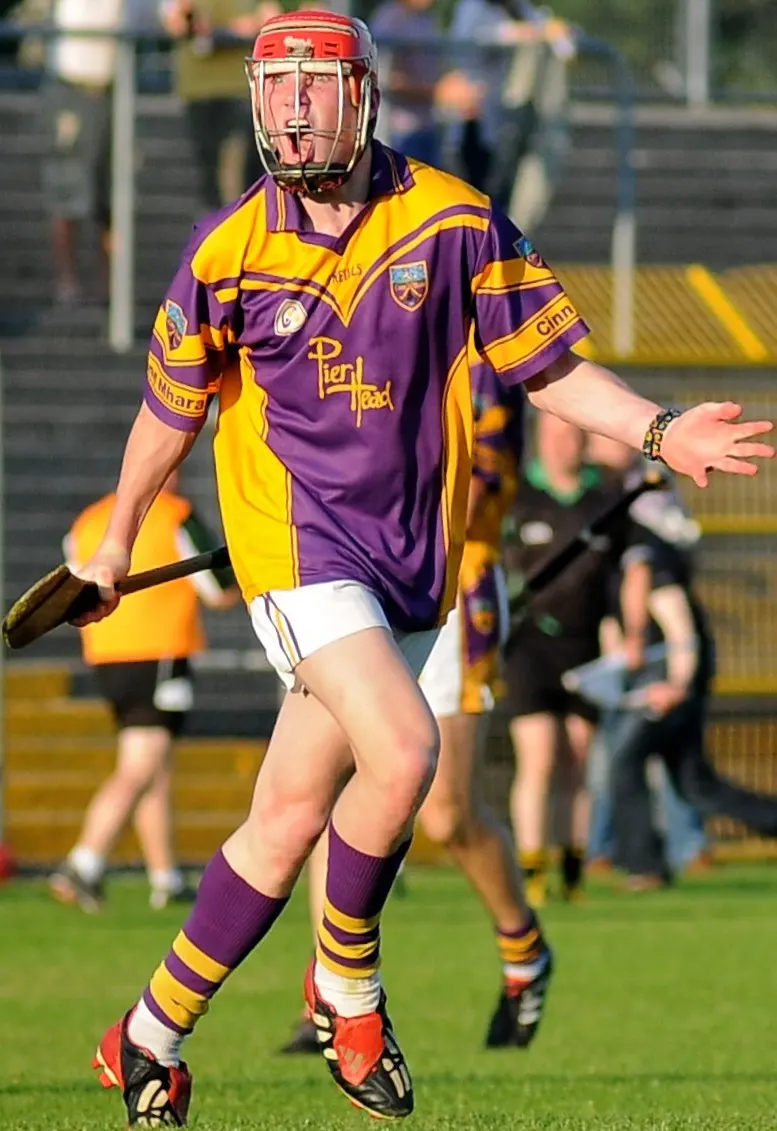
Conor Whelan, born 31 October 1996, plays right corner-forward for Kinvara and for Galway: a minor debut on 28 July 2013 and an All-Ireland minor…
Portumna 7
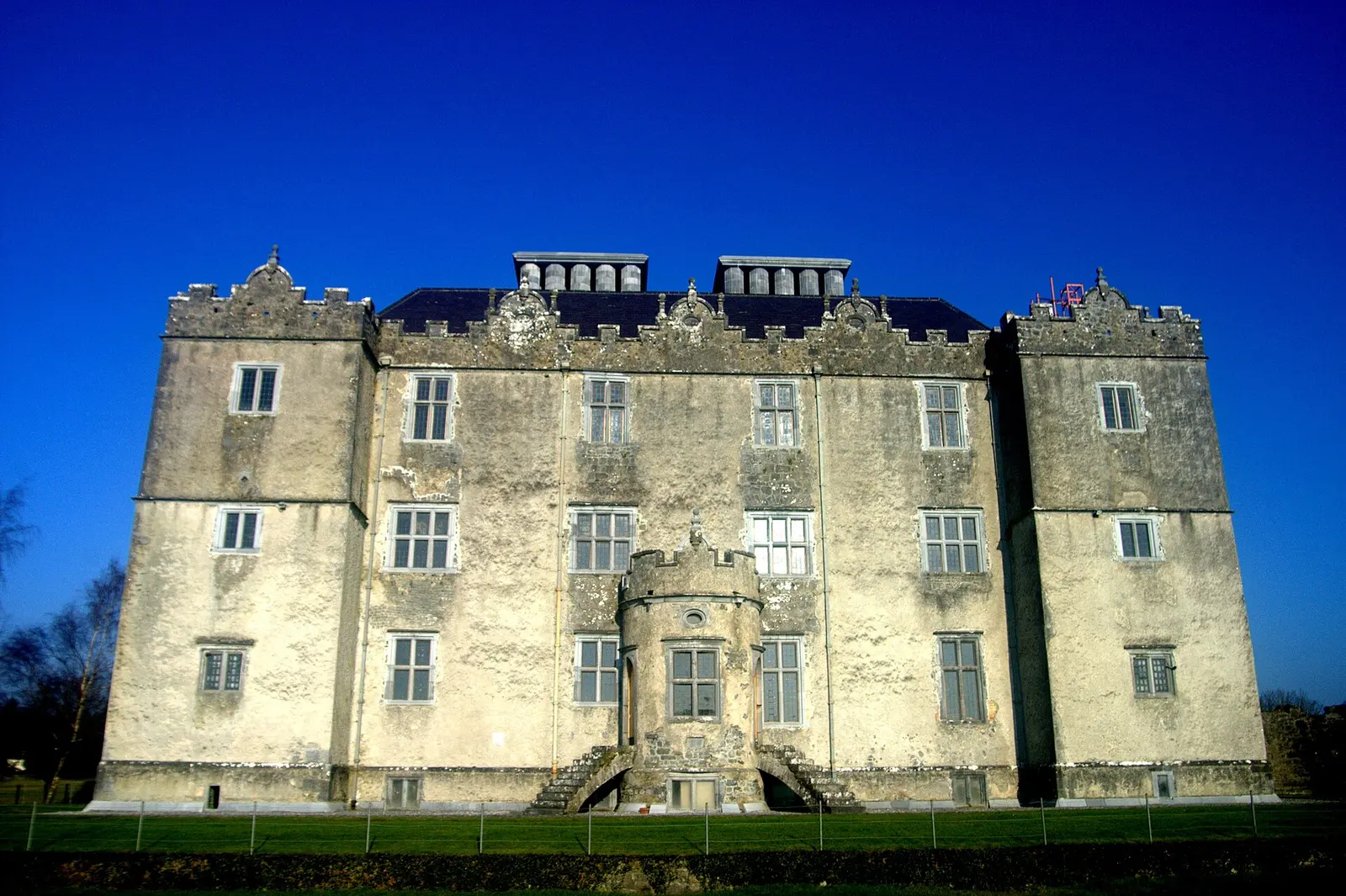
Portumna Castle is the semi-fortified house Richard Burke, 4th Earl of Clanricarde, built between about 1610 and 1617 for 10,000 pounds by Lough…
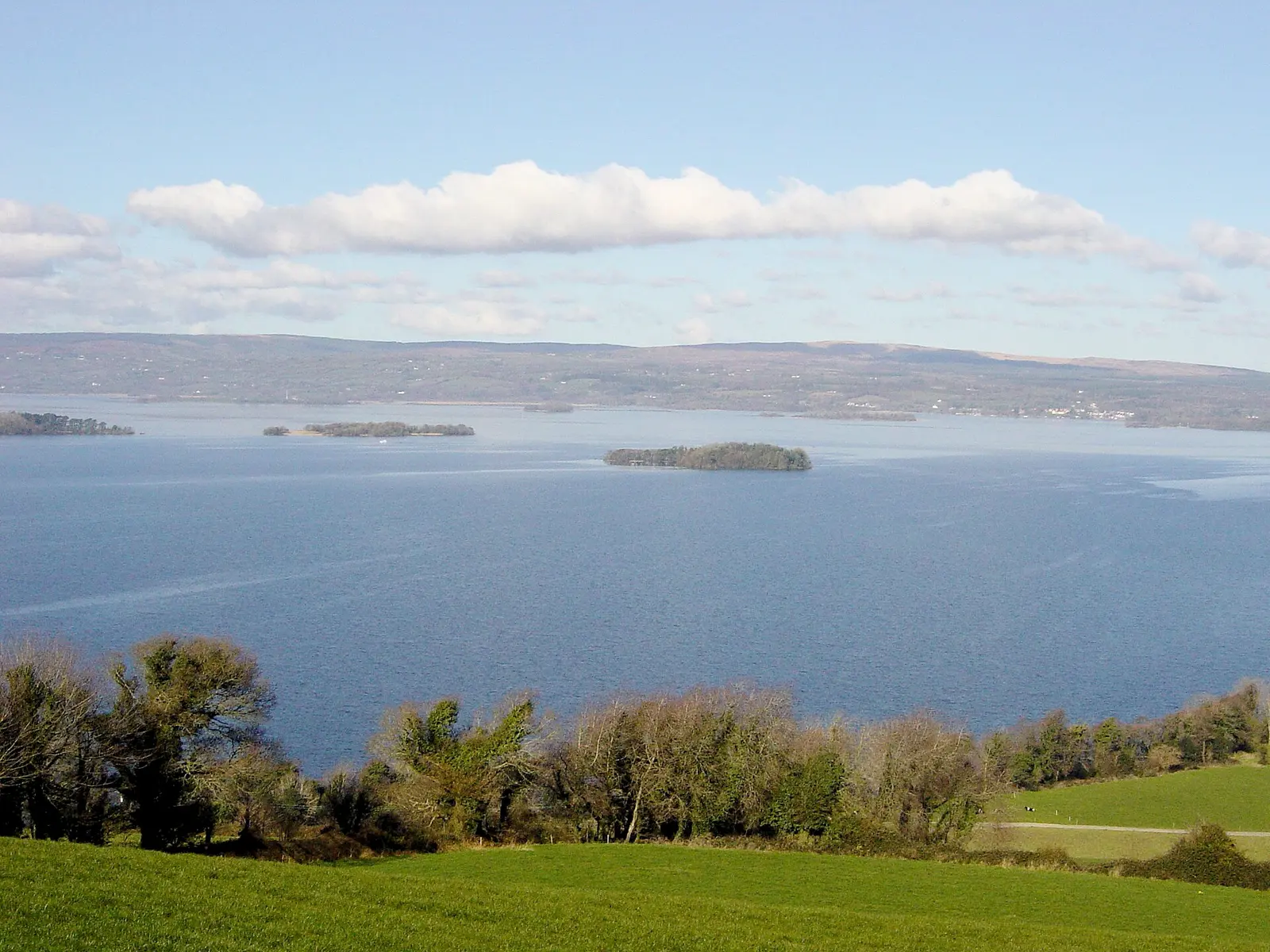
Lough Derg, the Dagda's red eye, is the Shannon's largest lake and Ireland's third: 130 square kilometres, 36 metres deep, 38.6 km navigable from…
Portumna Abbey, 500 metres south of the town centre beside Portumna Castle on the shore of Lough Derg, began as a Cistercian chapel of Saints…
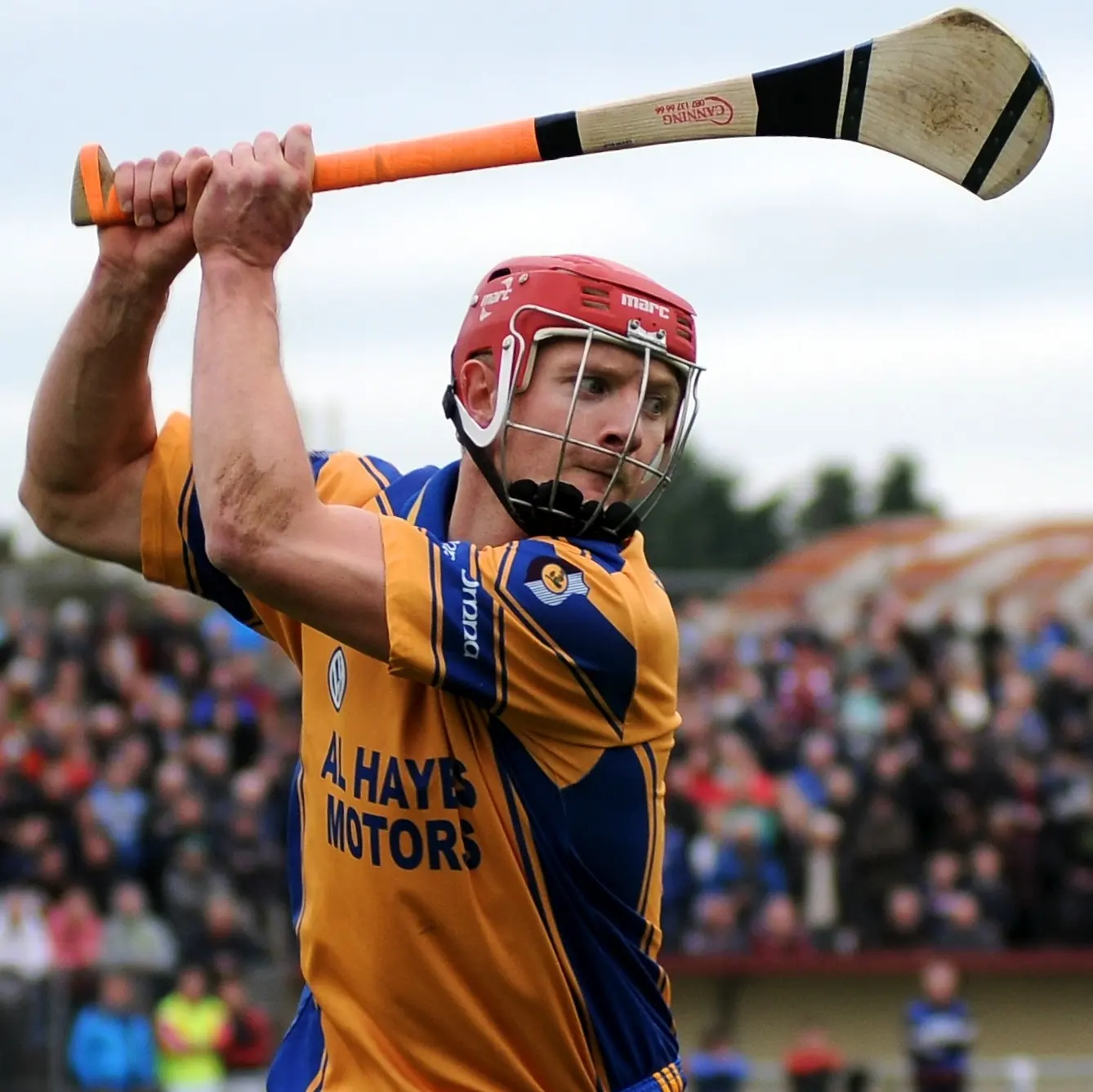
Joe Canning, born in Portumna on 11 October 1988, is regarded as one of the greatest hurlers ever: 14 seasons with Galway, five All-Stars, Hurler…
Three national secondary roads serve east and south Galway: the 52.5 km N65 from Borrisokane in Tipperary over Portumna bridge on the Shannon to…
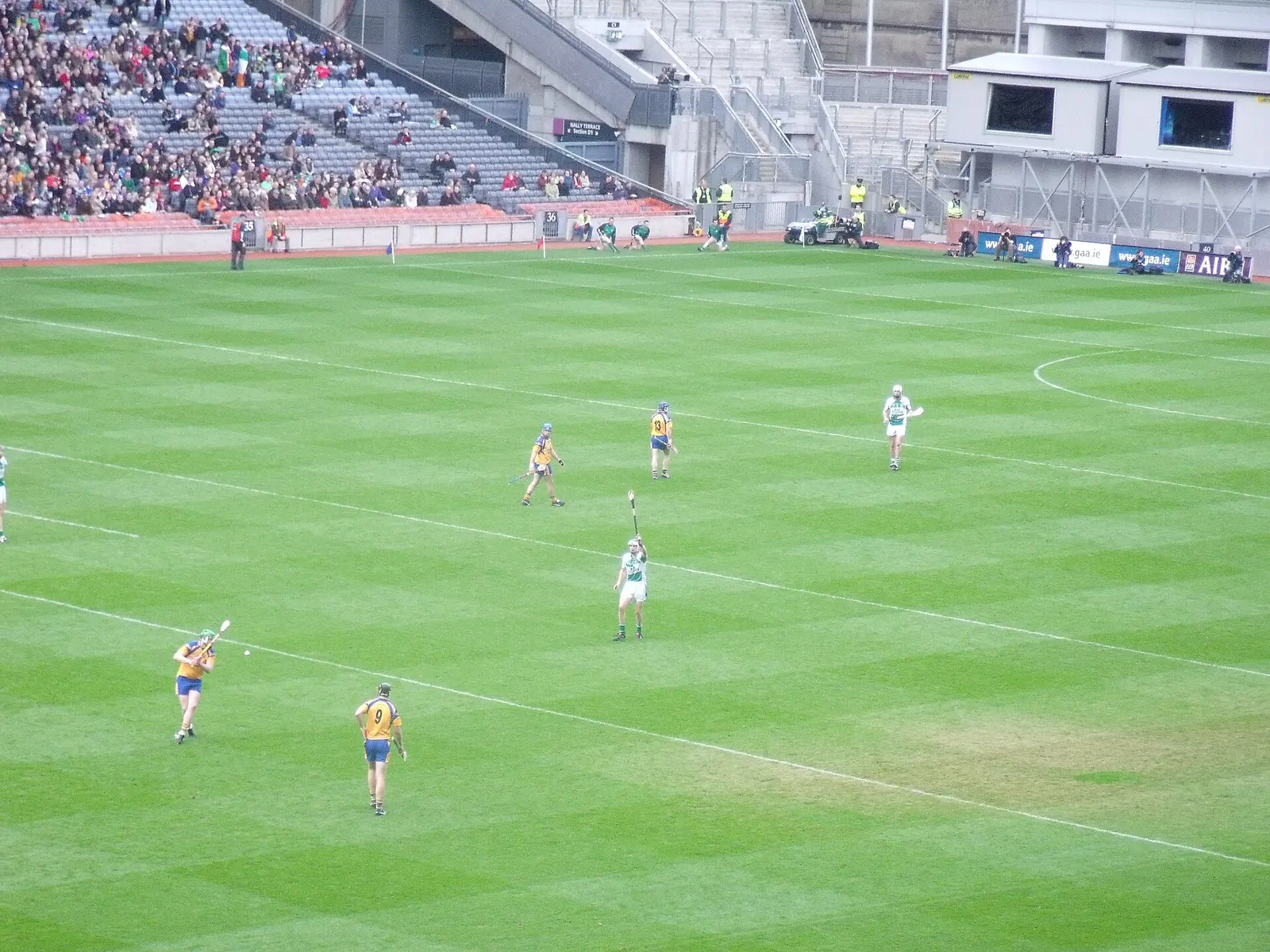
Portumna GAA, founded in 1888 on the Galway and Tipperary border, played football first and hurling from 1910, won the county junior title in…
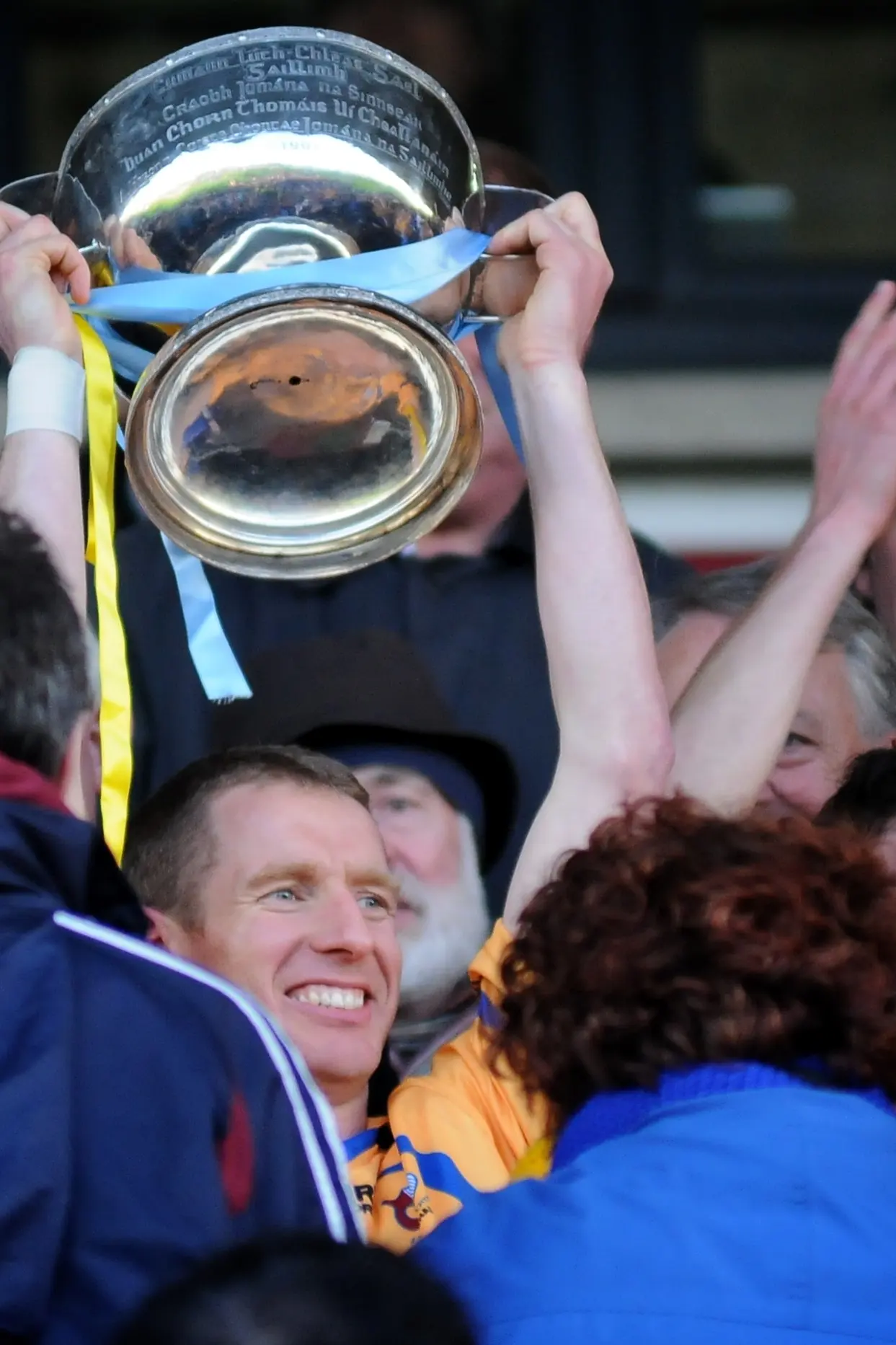
Ollie Canning, born in Ballinasloe on 9 July 1976 and raised in Portumna, played left corner-back for Galway from the 1996 championship for…
Headford 3
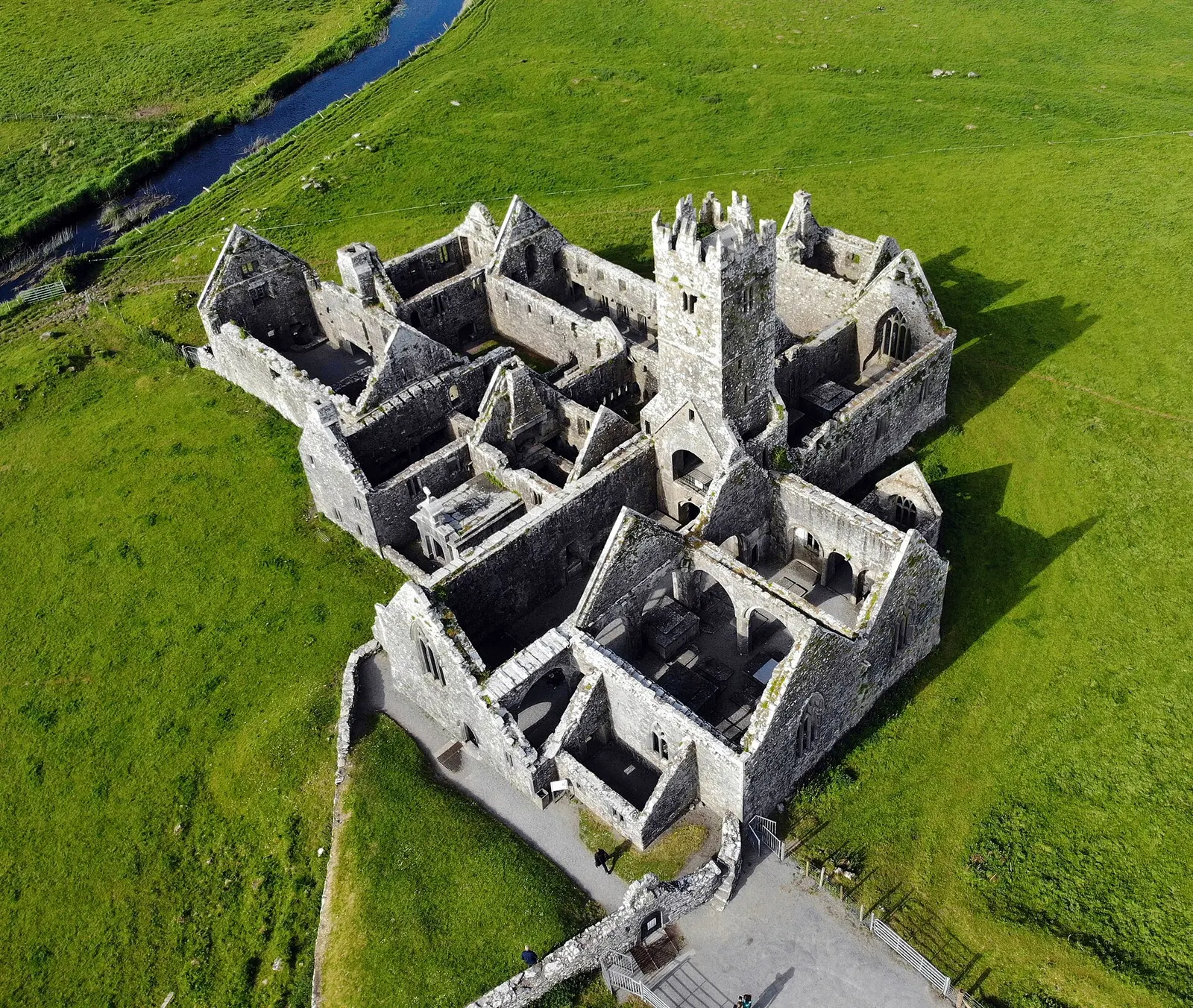
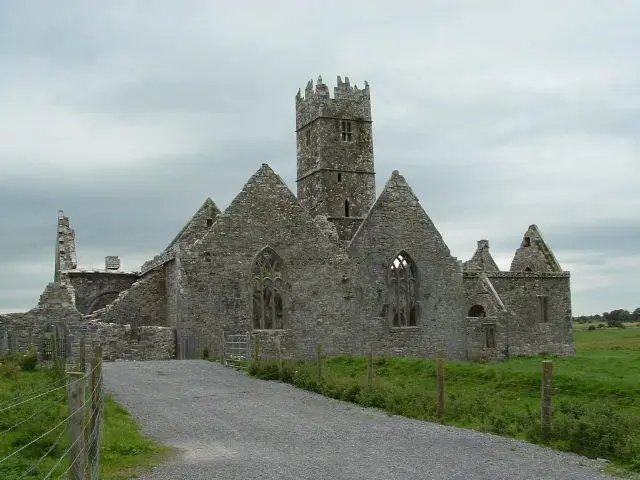
Ross Errilly is the Franciscan friary on the Black River a mile from Headford, founded about 1460, evicted and reoccupied for three centuries, and…
Headford, Áth Cinn, 26 km north of Galway on the N84 beside the Black River that marks the Mayo border, is the angling centre for the east shore…
The N84 is the national secondary road from Galway to Castlebar through Cloonboo, Headford, Shrule, Kilmaine, Ballinrobe and Partry: a…
Leenaun 4
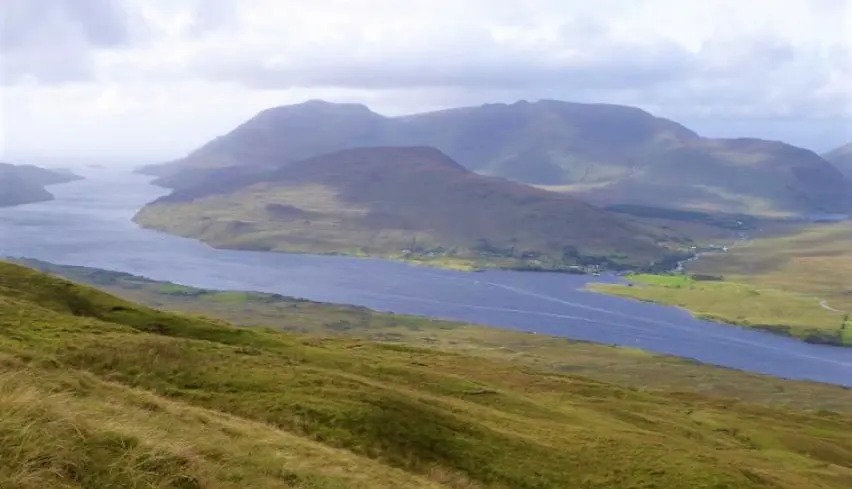
Killary Harbour is the 16-km fjord between Galway and Mayo, up to 45 metres deep, with Mweelrea, Connacht's highest mountain, on its north shore…
The Field, Jim Sheridan's 1990 film of John B. Keane's 1965 play, was shot almost entirely in Leenaun at the head of Killary Harbour: Richard…
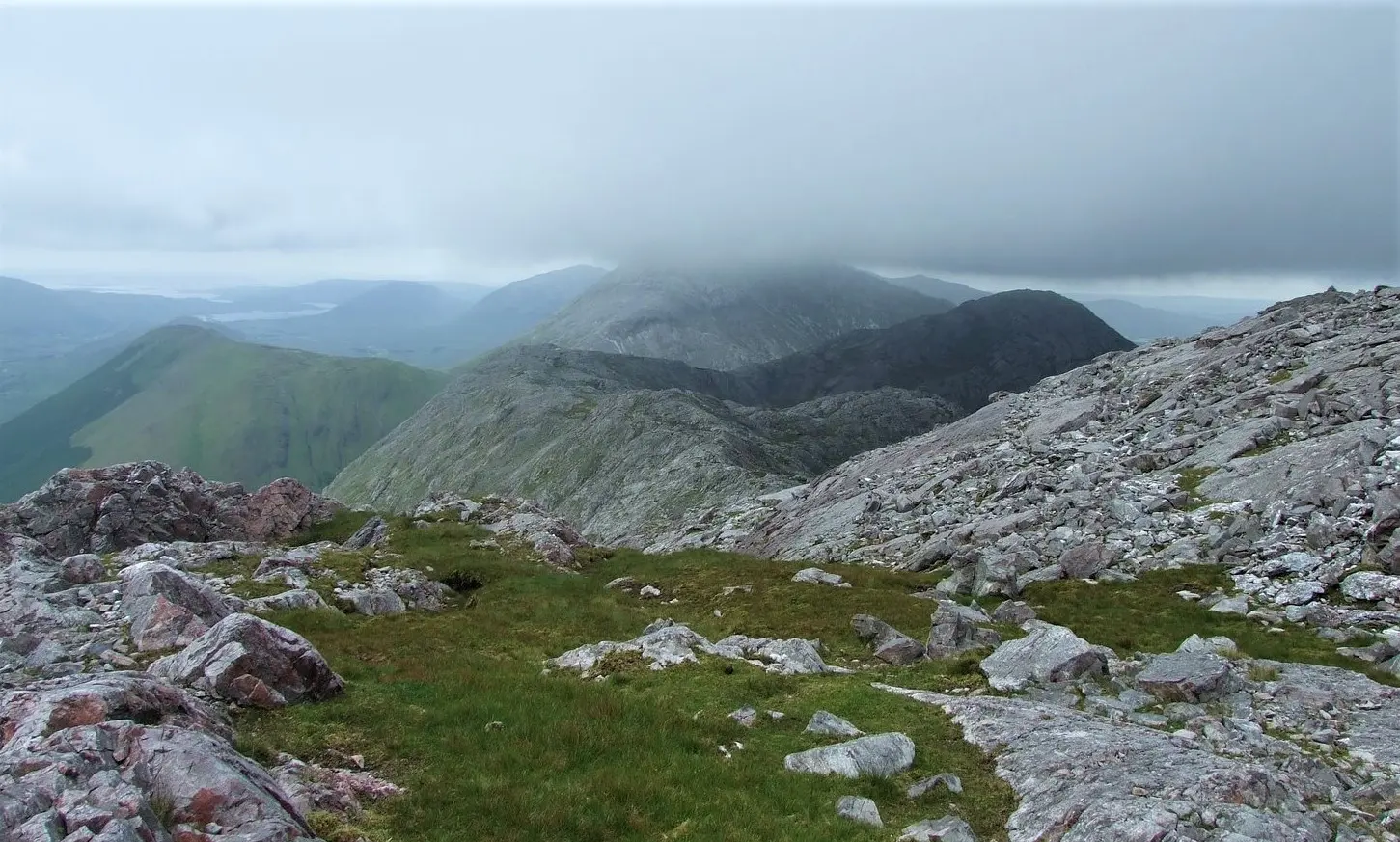
The Maumturks, Sléibhte Mhám Toirc, the mountains of the boar's pass, are the long straight range of quartzite peaks east of the Twelve Bens…
Leenaun, An Líonán, the reef at the head of the sea, is the village of two pubs, a hotel, a sheep and wool museum and two churches on the south…
Cleggan 4
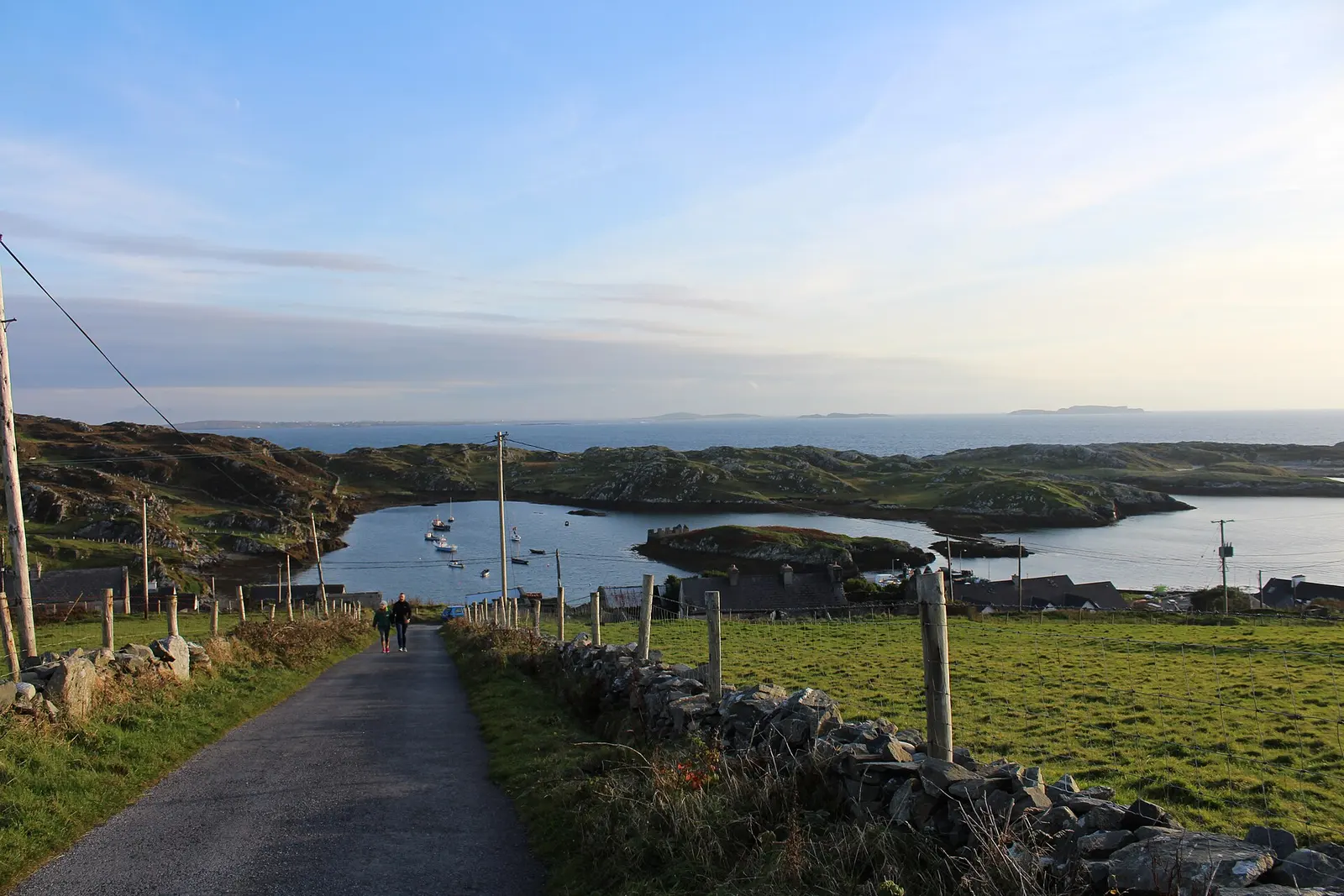
Inishbofin, the island of the white cow, lies 8 km off Cleggan: about 180 people, St Colmán's monastery of 665, Cromwell's barracks, a seal…
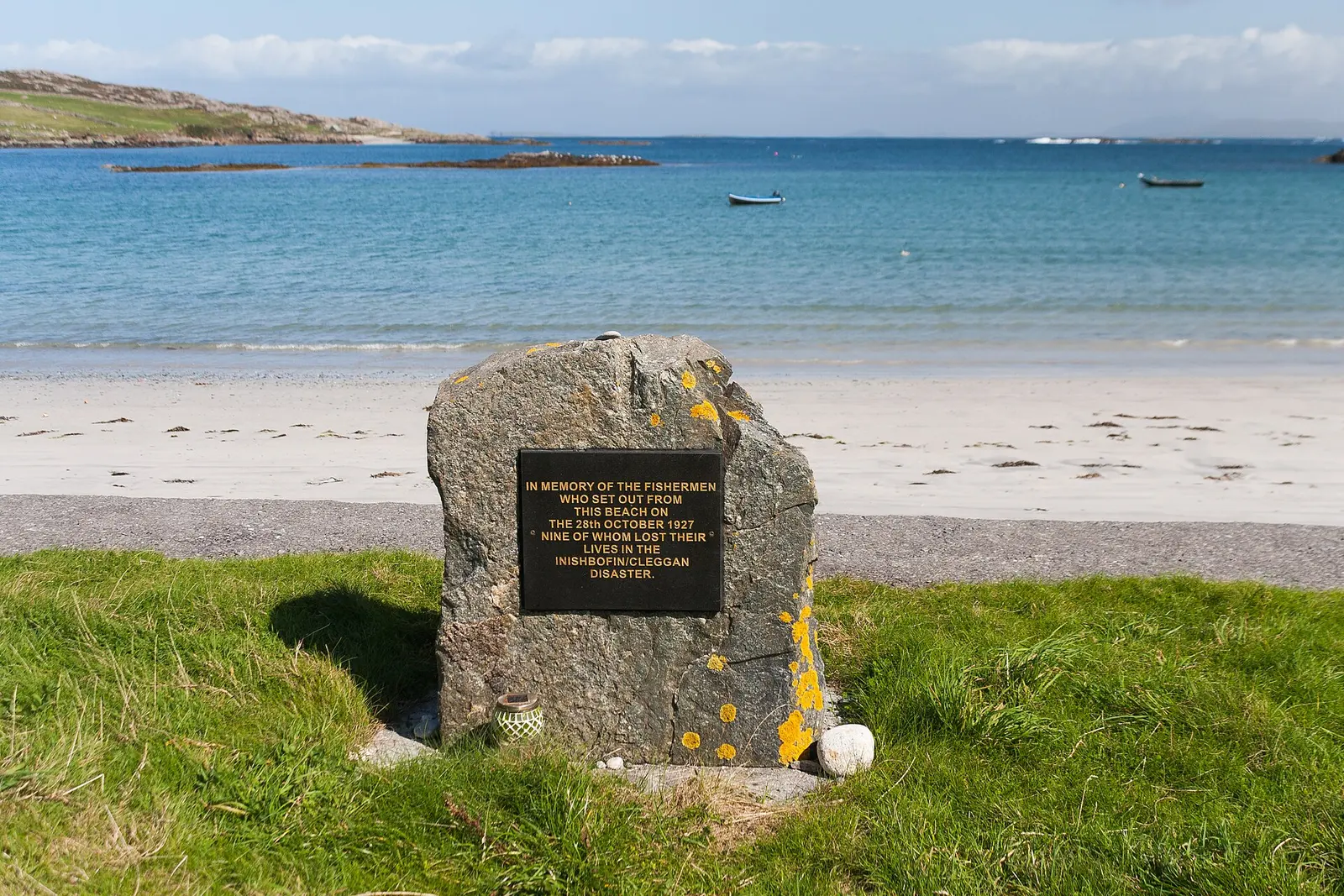
On 27 October 1927 a gale rose without warning on the mackerel boats off Cleggan and 45 fishermen drowned: sixteen from Rossadilisk, which was…
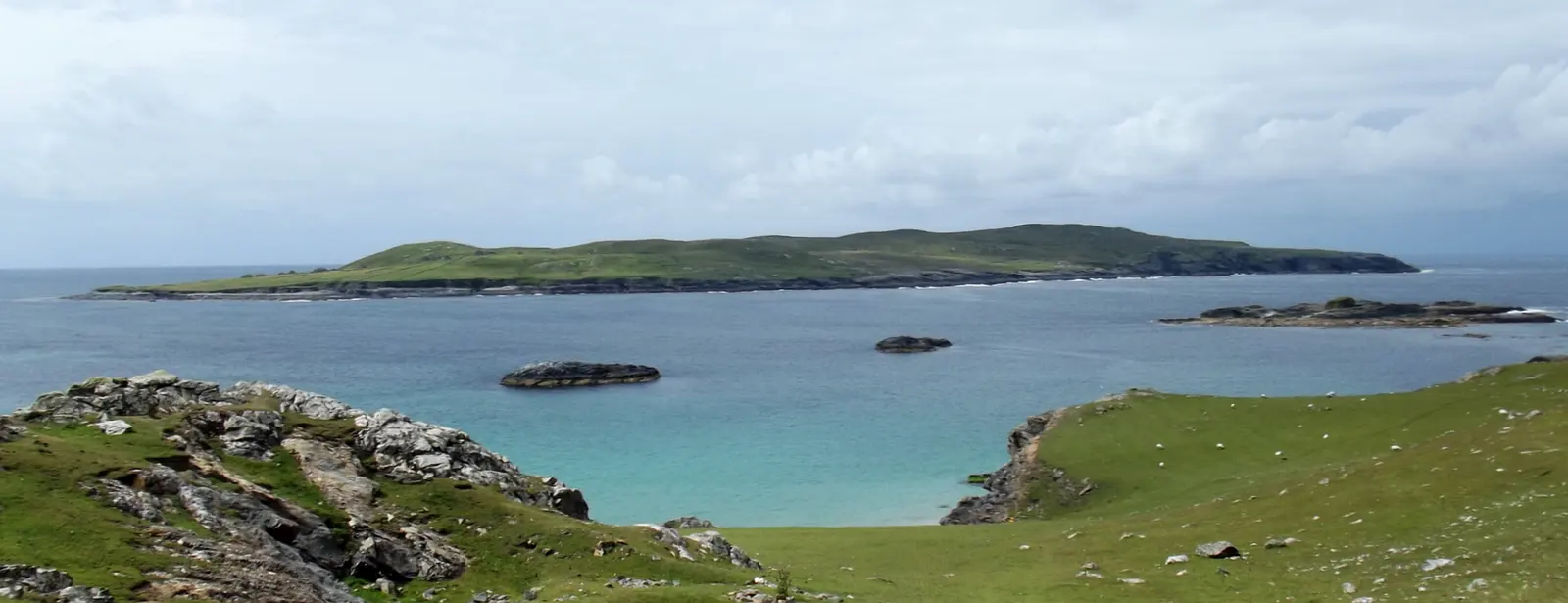
Inishark, Inis Airc, the small island west of Inishbofin, was emptied on 20 October 1960 when its last 23 people were moved to the mainland rather…
Cleggan, An Cloigeann, the headland, is the fishing village 10 km north-west of Clifden at the head of Cleggan Bay, built around the pier…
Kilronan 9
The Aran Islands, Inishmore, Inishmaan and Inisheer, lie across the mouth of Galway Bay: 46 square kilometres of limestone, 1,347 Irish speakers,…
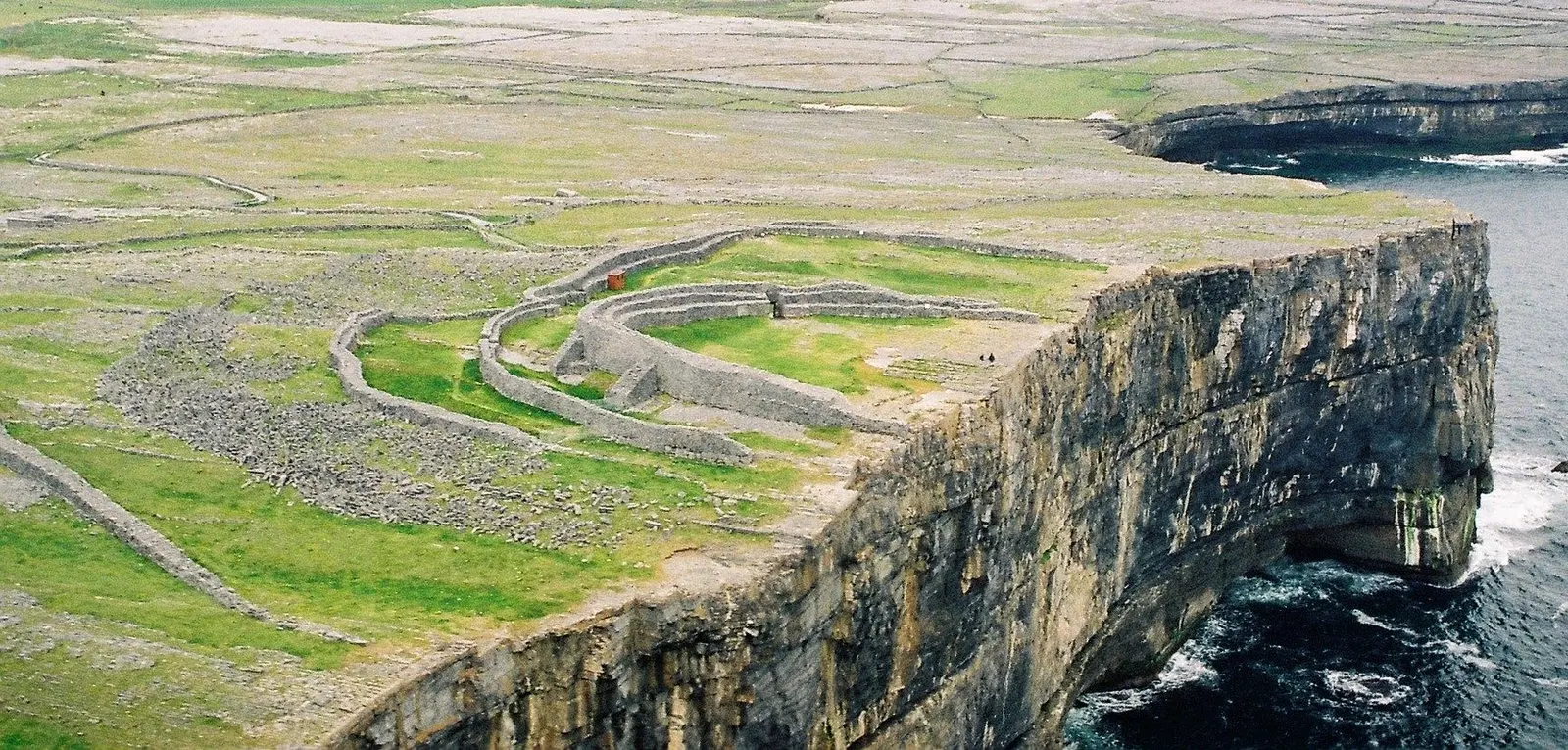
Dún Aonghasa is the great stone fort on the edge of a 100-metre cliff on Inishmore: four dry-stone walls, the first raised about 1100 BC and the…
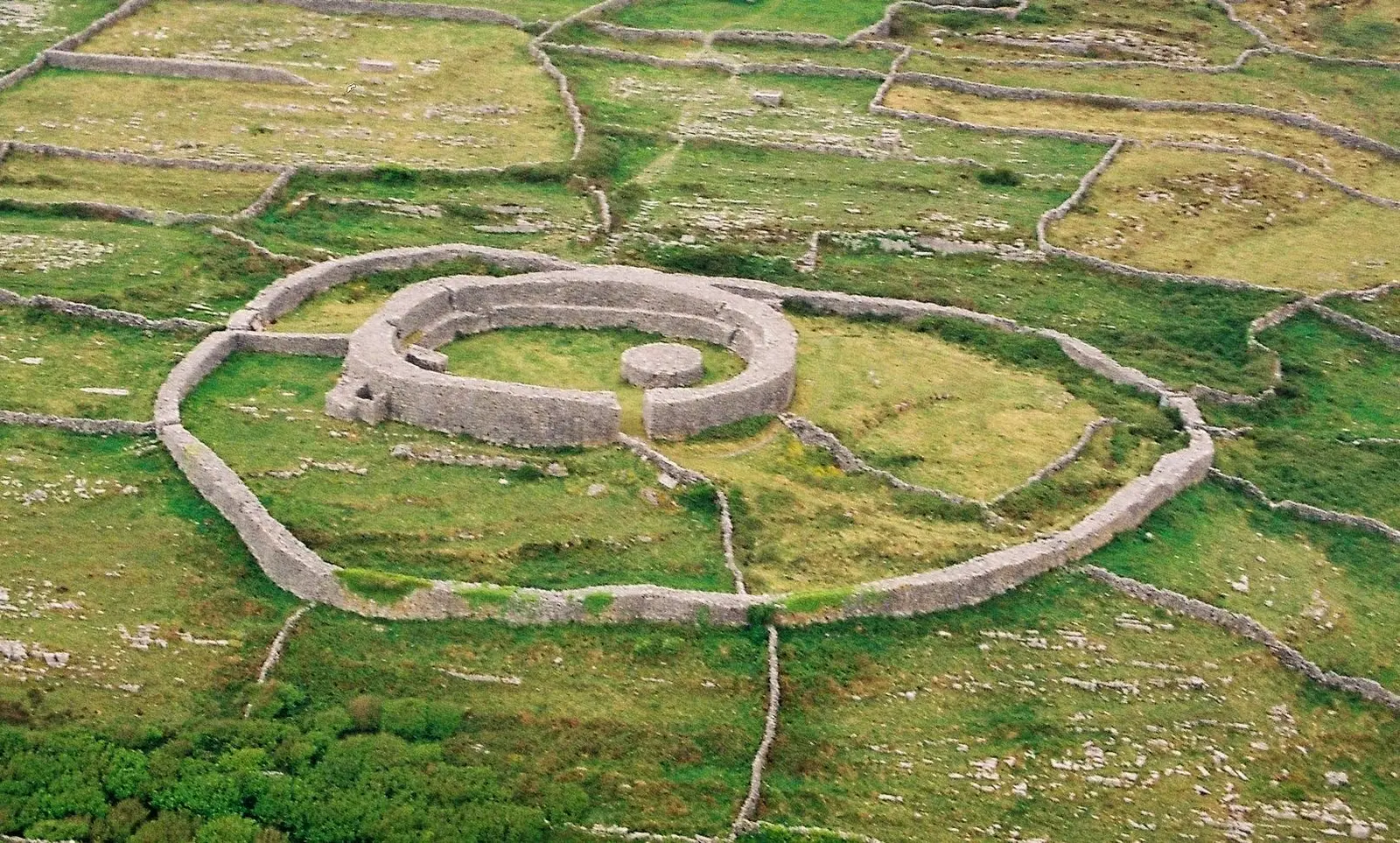
Inishmore, Árainn, is the largest Aran island at 31 square kilometres with 820 people in 2016: limestone pavement continued from the Burren, Dún…
Inis Meáin, the middle island, has about 184 people, the fewest of the Arans, and is among the strongest holds of Irish tradition: Burren…
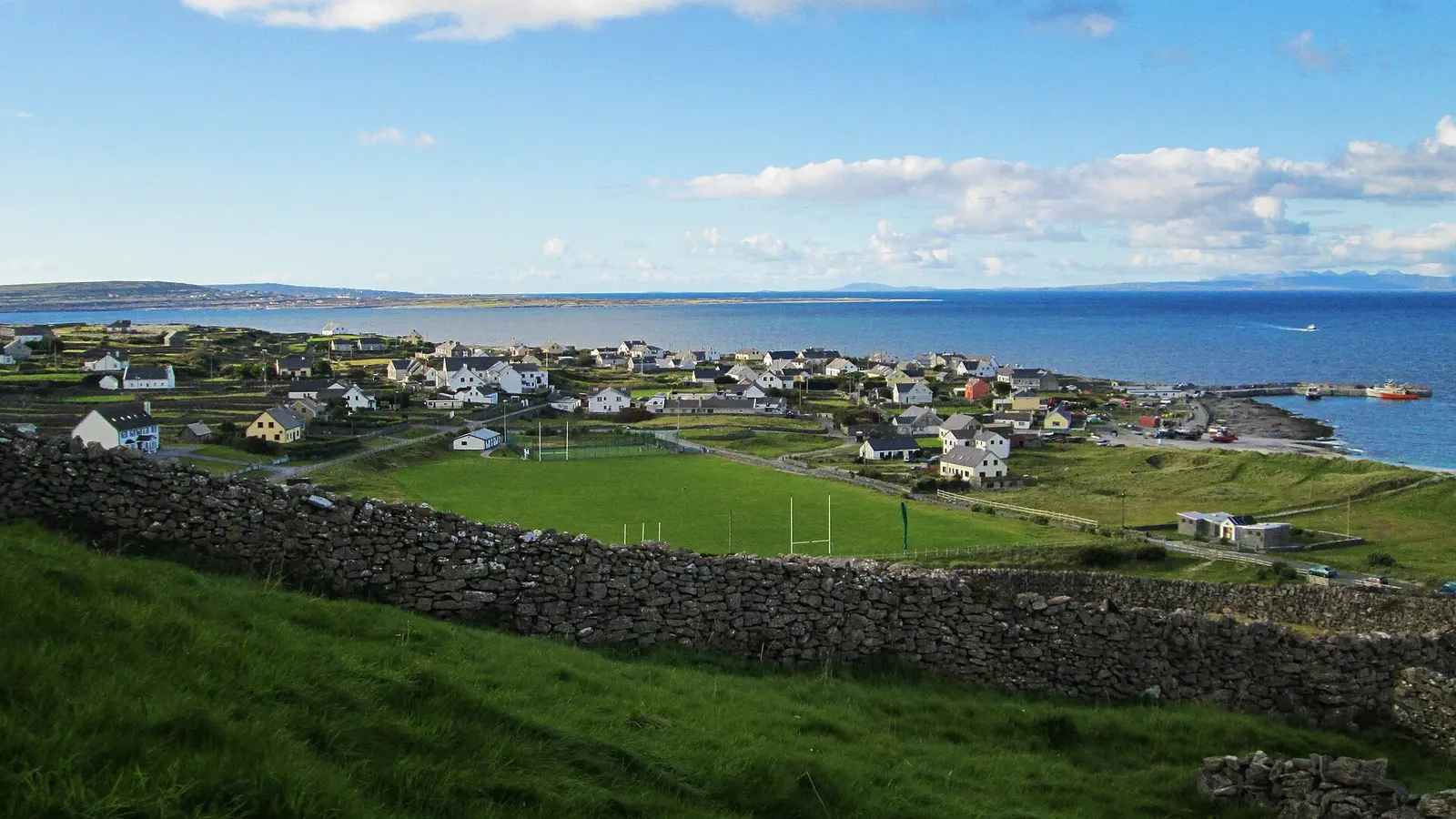
Inis Oírr, the eastern island, is the smallest of the Arans with 343 people in 2022, about 260 of them daily Irish speakers: Cnoc Raithní burial…
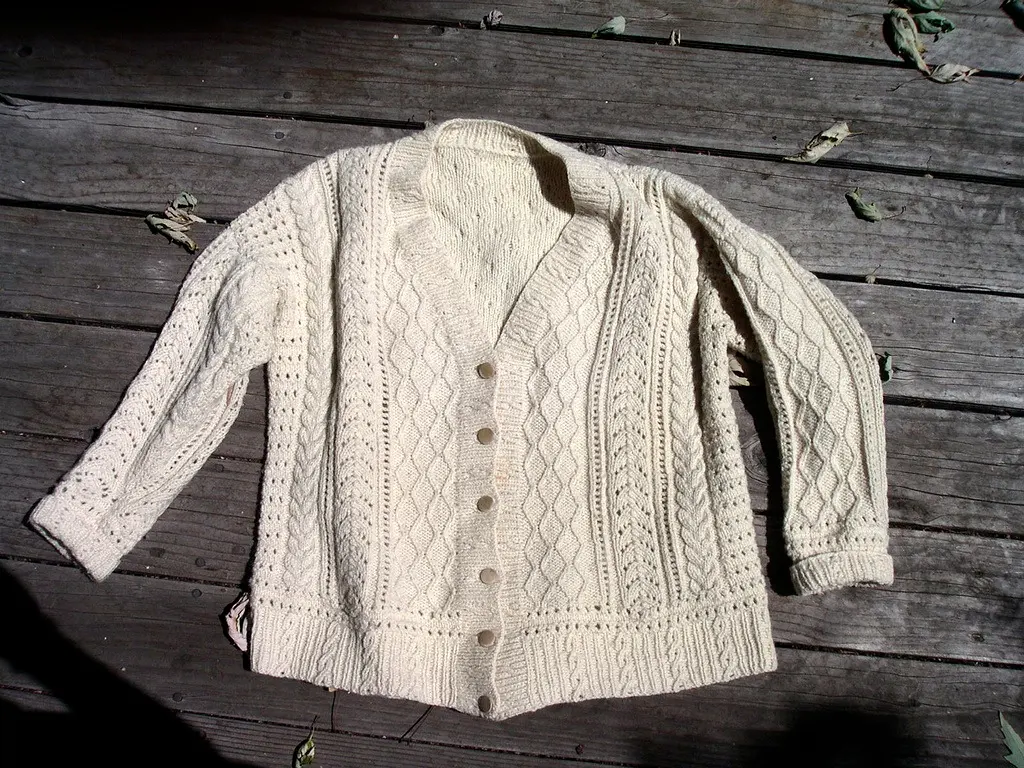
The Aran jumper, geansaí Árann, is the cream cable-knit sweater of the islands: undyed báinín wool, once unwashed so the lanolin kept it…
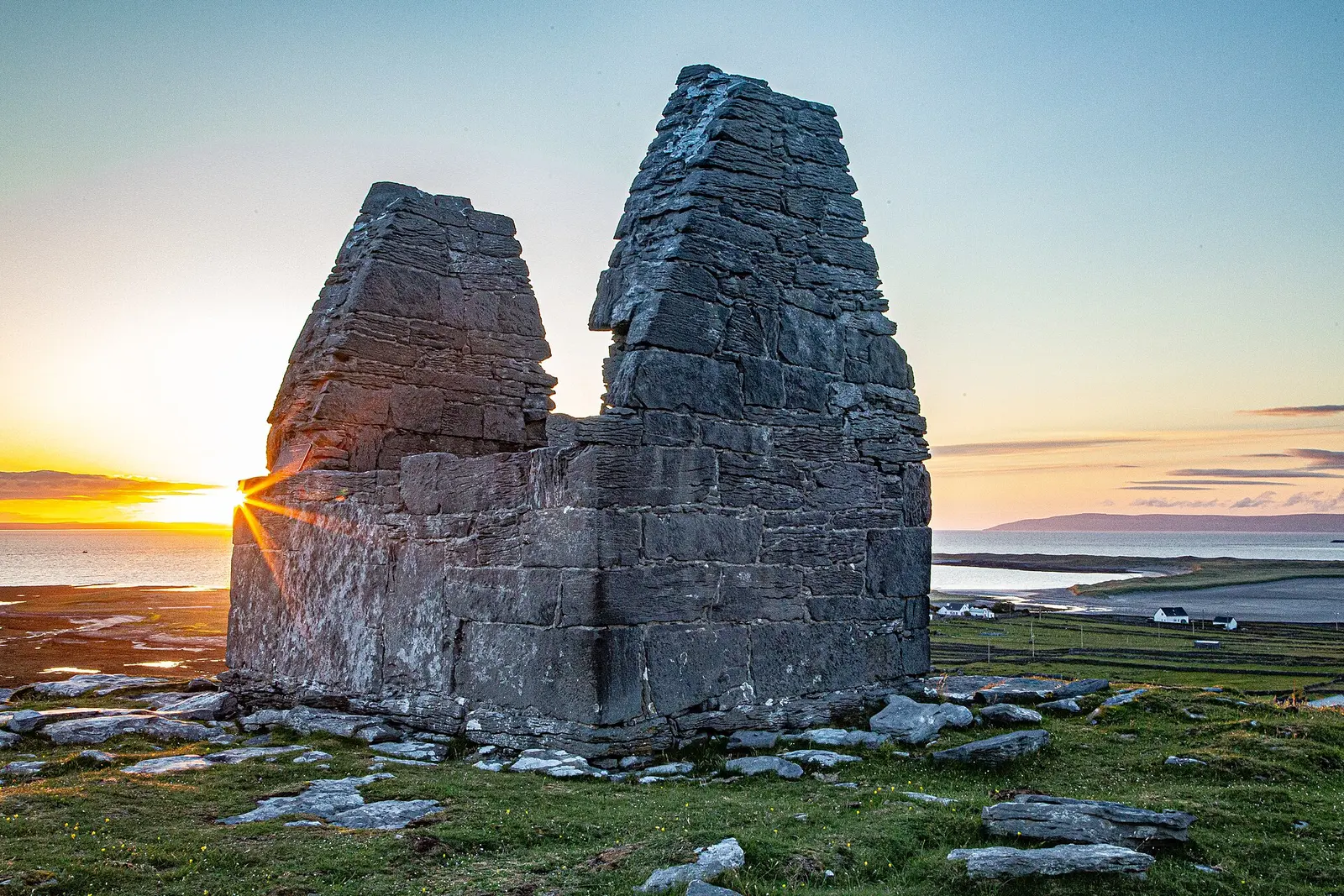
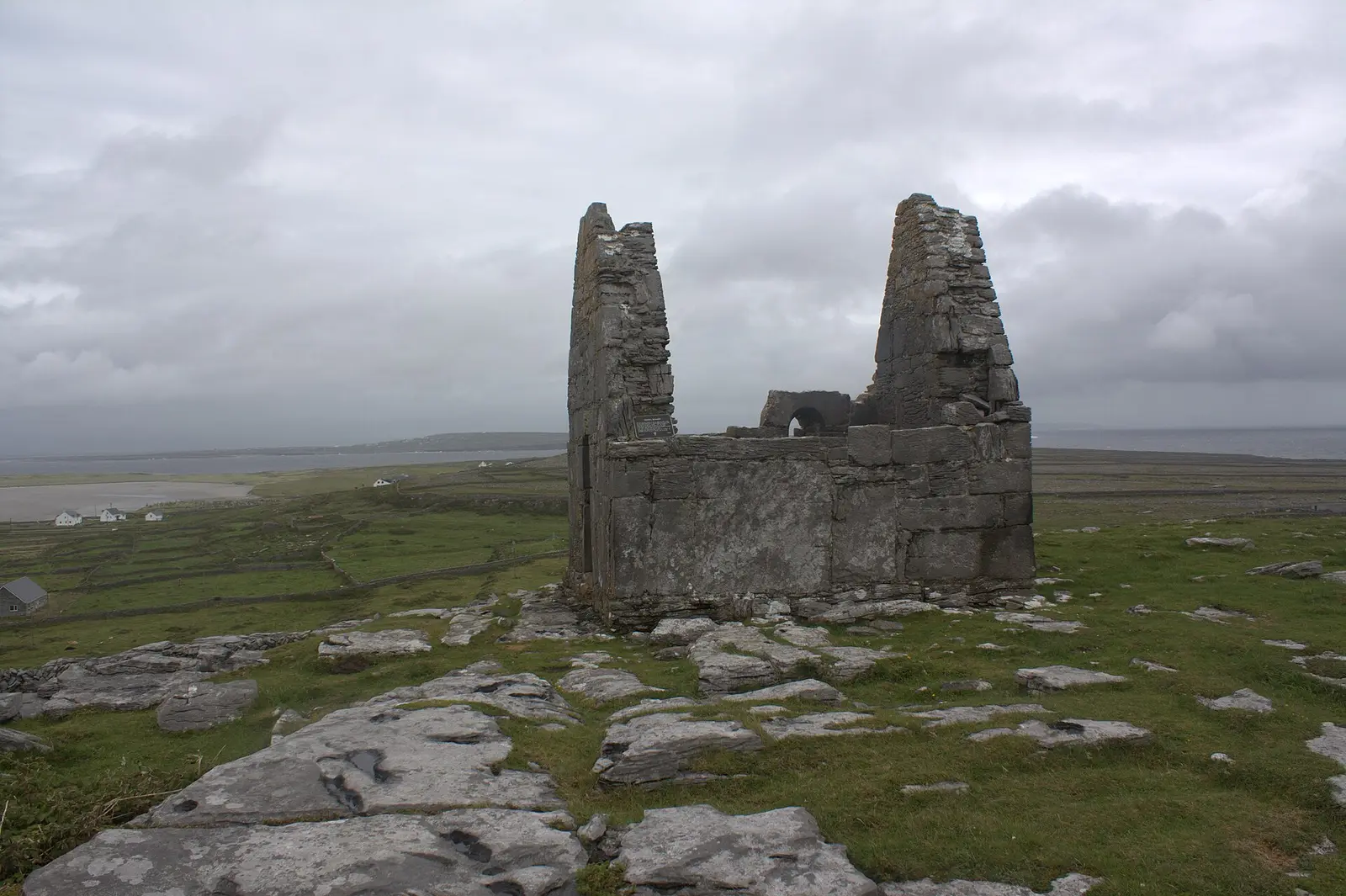
Teampall Bheanáin, Benan's church, is the roofless 11th-century oratory on the ridge above Cill Éinne near Kilronan, marking the monastery founded…
Two Inishmore writers: Liam O'Flaherty, born at Gort na gCapall on 28 August 1896, an Irish Guards soldier wounded in 1917, a founder of the…
Enda, Éanna, a warrior king of Oriel in Ulster converted by his sister the abbess Fanchea, learned the monastic life at Rosnat in Britain and…
Clifden 8
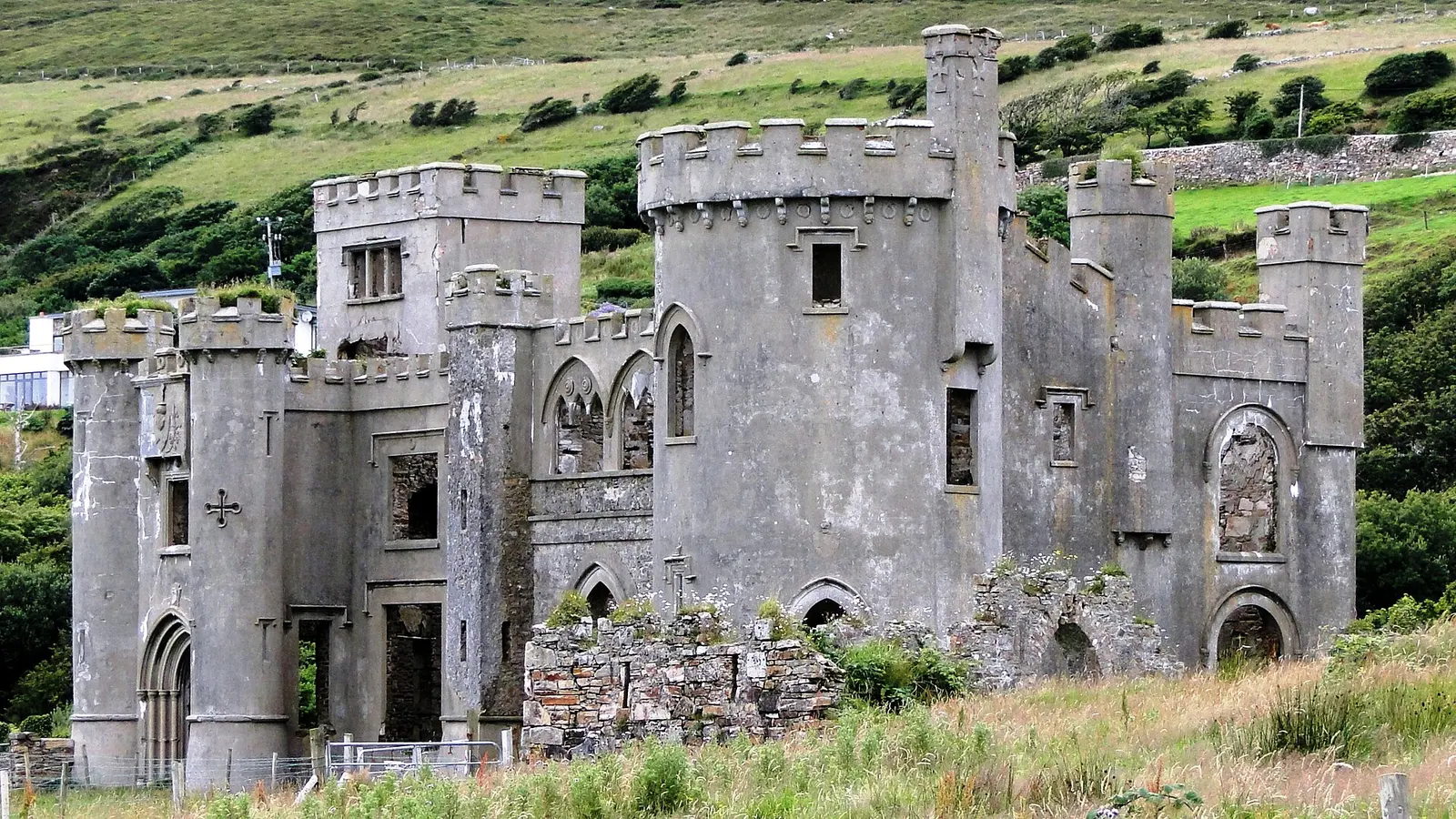
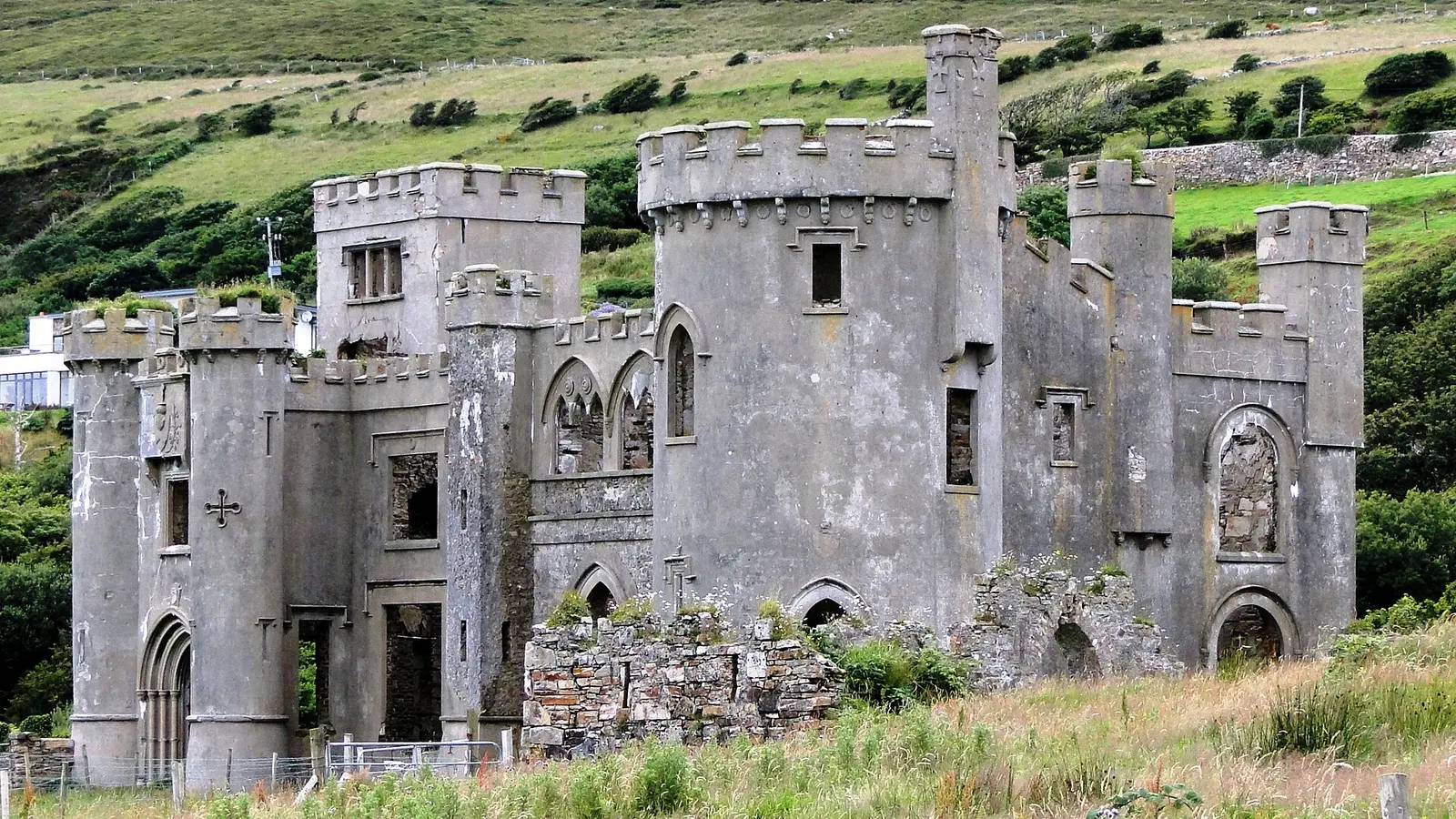
Clifden Castle is the Gothic Revival manor John D'Arcy, founder of Clifden, built about 1818 west of the town above Clifden Bay: empty since 1894,…
Connemara is the Atlantic west of County Galway beyond Lough Corrib: named for the Conmhaicne Mara, the sea branch of an early tribe, ruled by the…
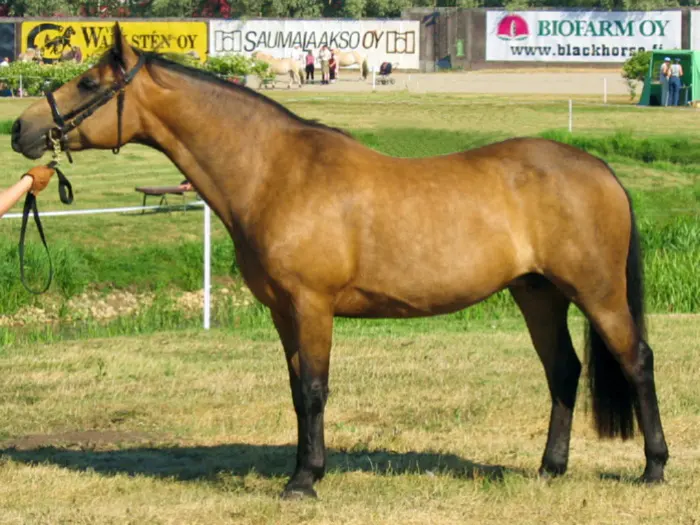
The Connemara pony, Capaillín Chonamara, is Ireland's only native pony breed, shaped by the region's harsh ground from Norse, Irish Hobby and…
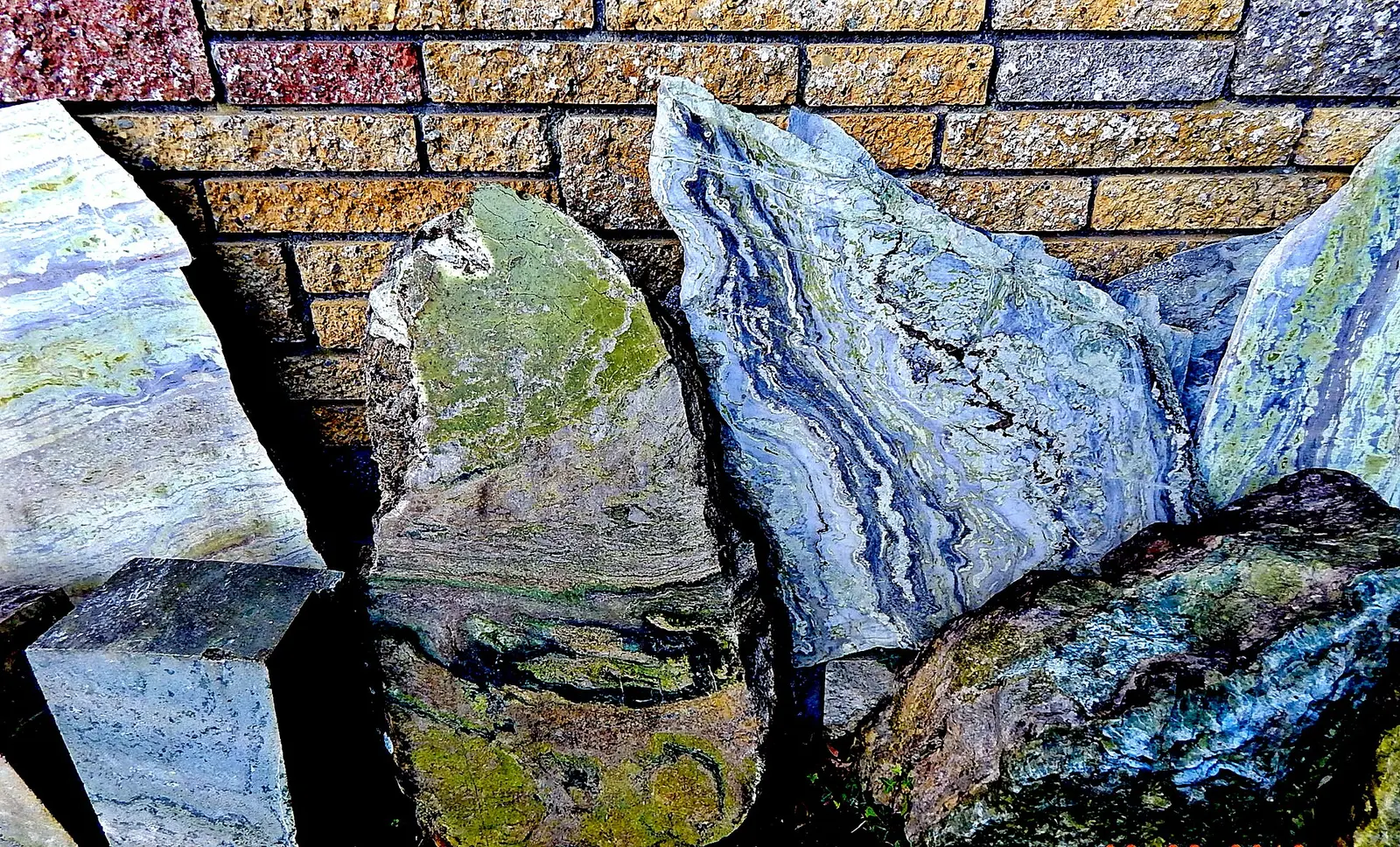
Connemara marble, Irish green, is the rare green marble quarried since the 1700s at Lissoughter near Recess and at Clifden: a true marble of…
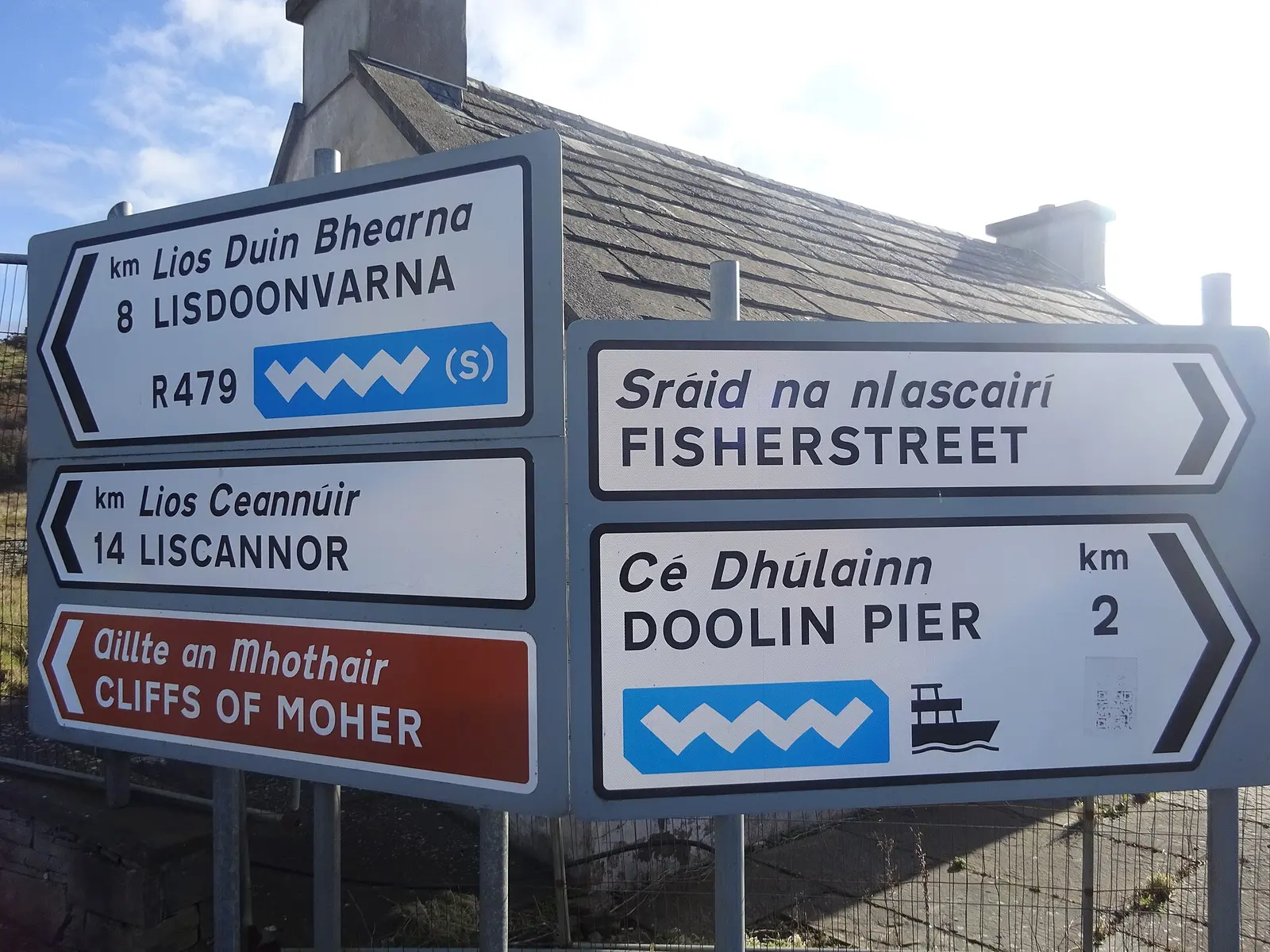
The Wild Atlantic Way is the 2,500 km coastal driving route from Inishowen in Donegal to Kinsale in Cork, launched in 2014 with 157 discovery…
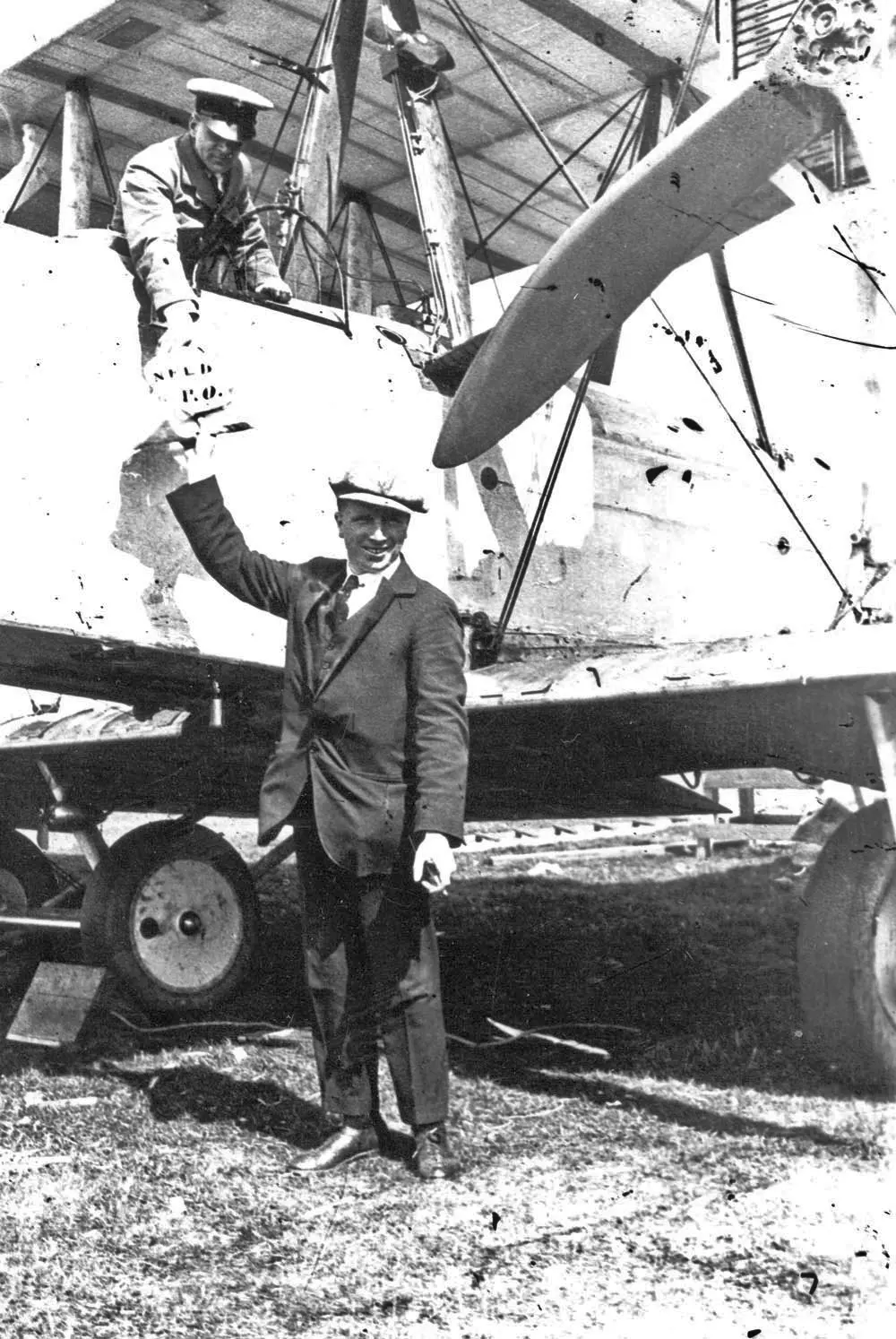
On 14 and 15 June 1919 John Alcock and Arthur Whitten Brown flew a Vickers Vimy from St John's, Newfoundland, to a bog at Derrygimlagh near…
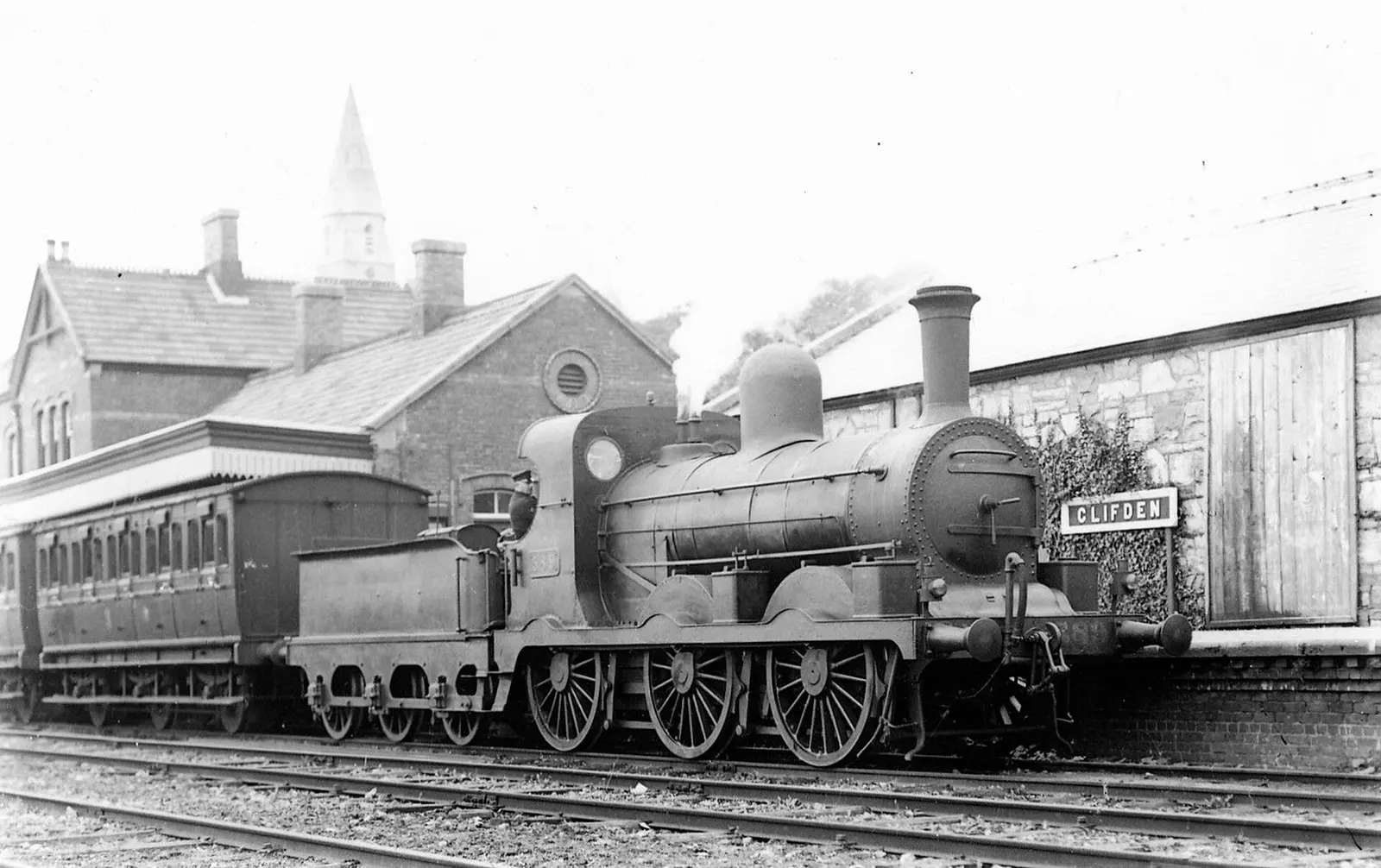
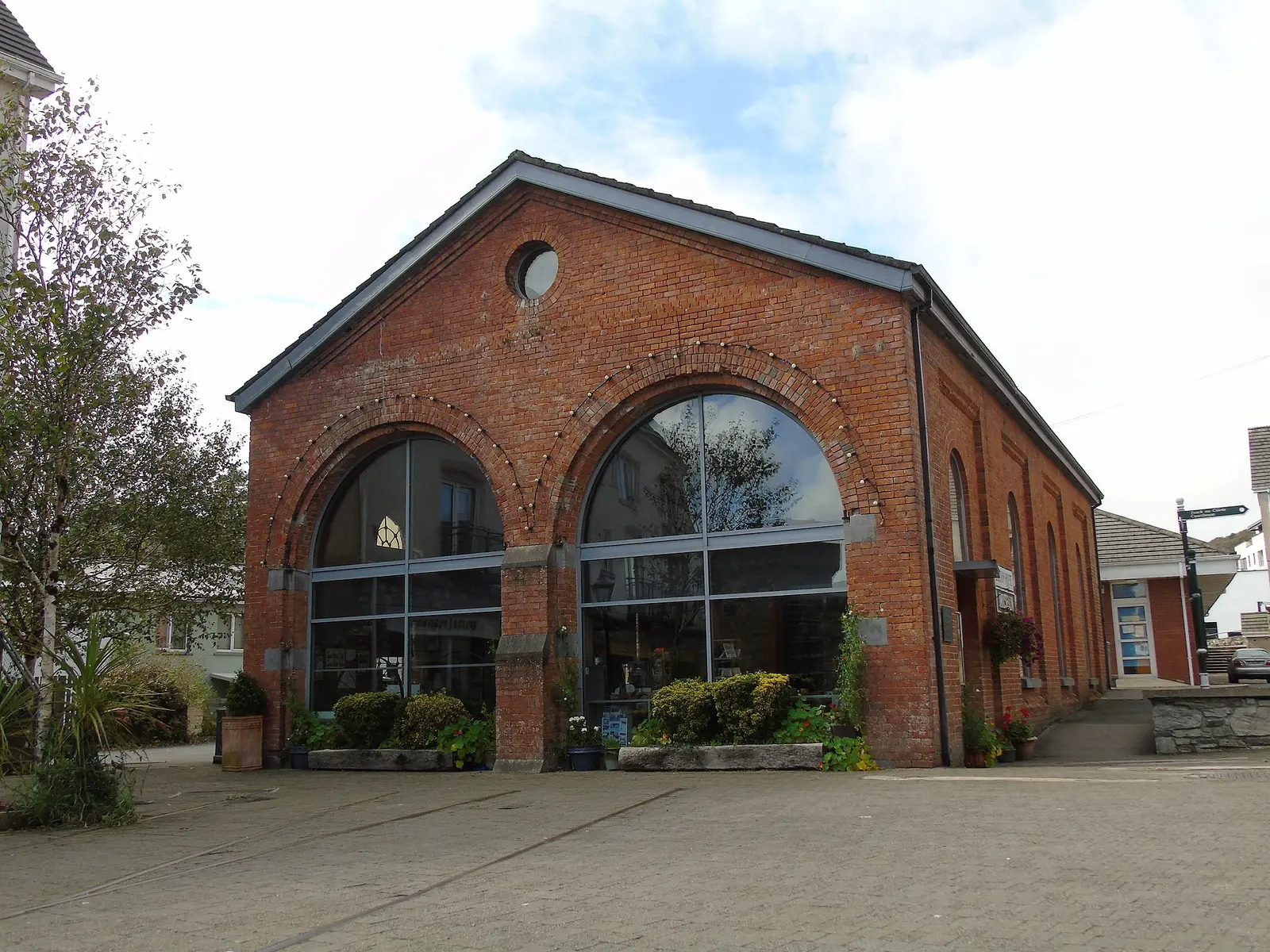
Clifden station was the terminus of the Midland Great Western Railway's branch from Galway, 79 km away: a directors' train arrived on 3 May 1895,…
The N59 is the national secondary road that circles the west of Ireland from Sligo through Ballina and Westport into Galway at Leenaun, where its…
Claddaghduff 1
Clonbur 8
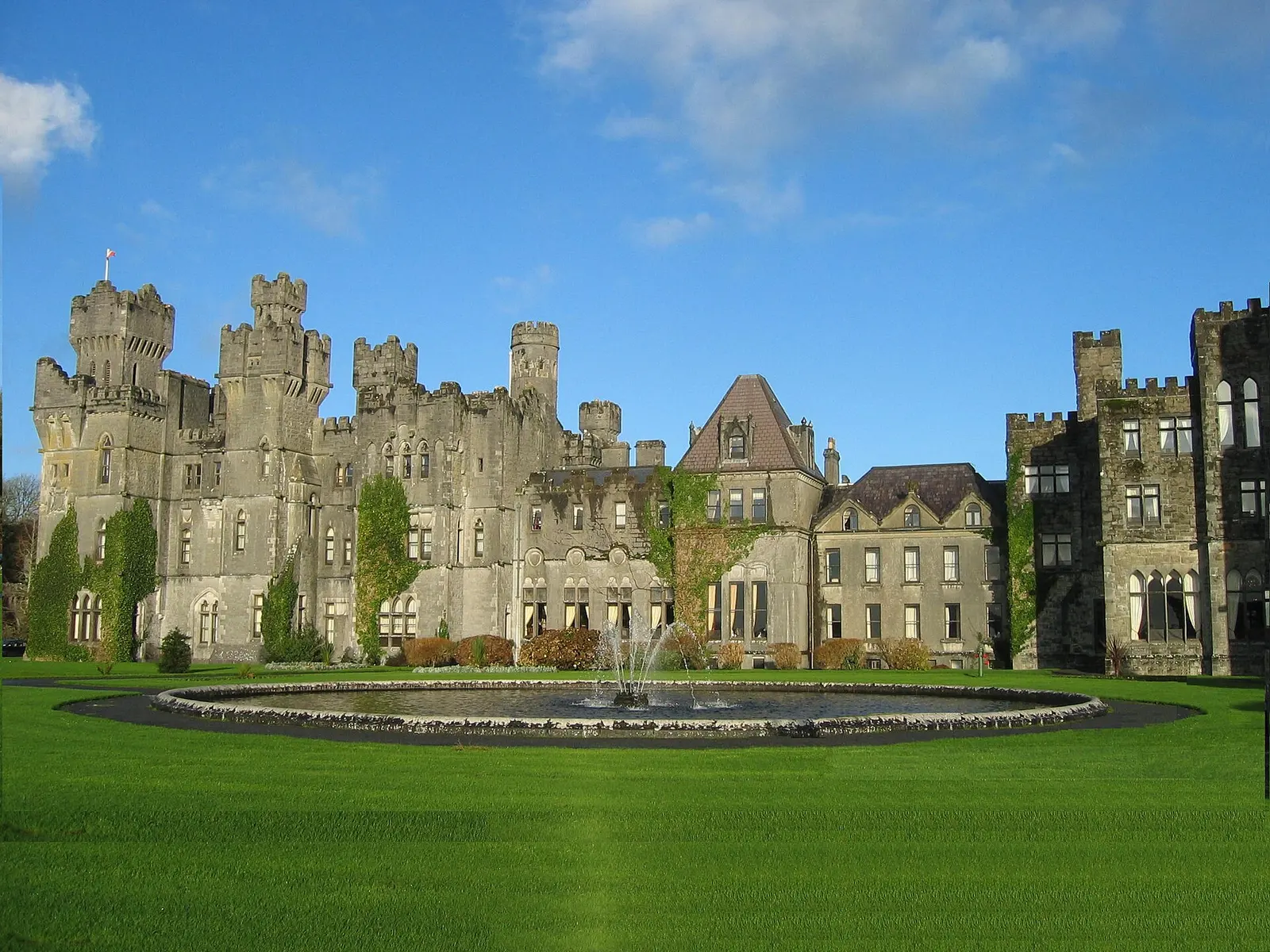
Ashford Castle at Cong, on the Galway side of Lough Corrib, began as a de Burgo castle of 1228, fell to Bingham in 1589, passed to the Brownes in…
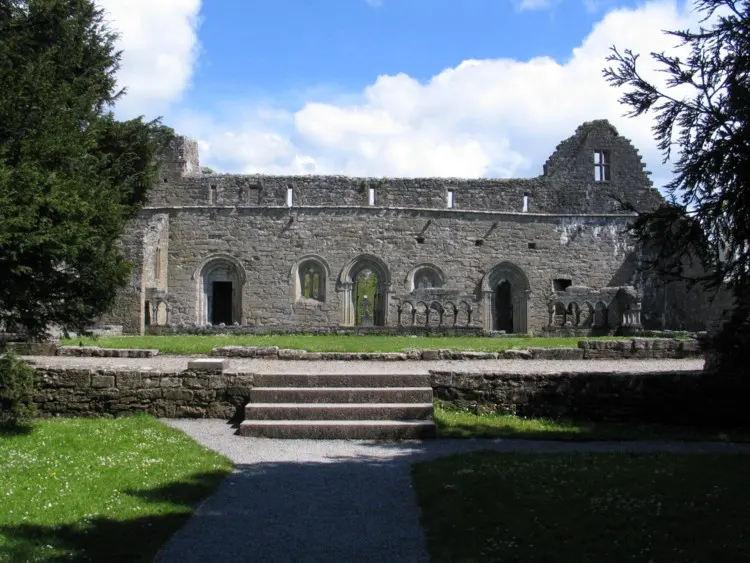
Cong Abbey, the Royal Abbey of Cong, is the 13th-century Augustinian ruin at Cong: founded on St Feichin's 7th-century church, refounded by High…
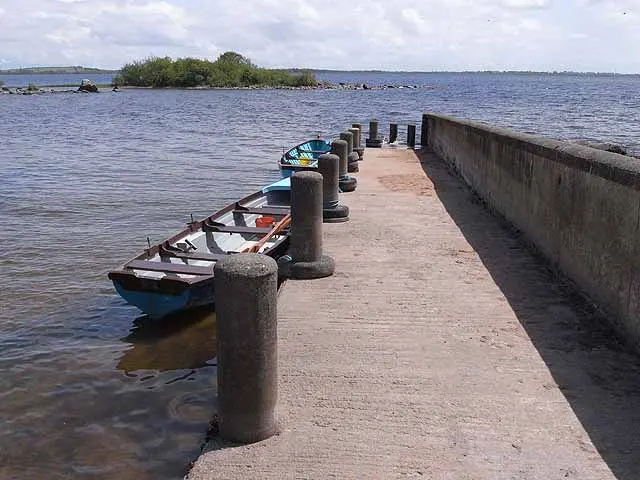
Lough Mask, Loch Measca, is the 83-square-kilometre limestone lake north of Clonbur, fourth largest in Ireland, fed by Lough Carra and emptying…
Joyce Country, Dúiche Sheoigheach, is the hill country of Galway and Mayo between Lough Mask and Lough Corrib that takes in Clonbur, Cong,…
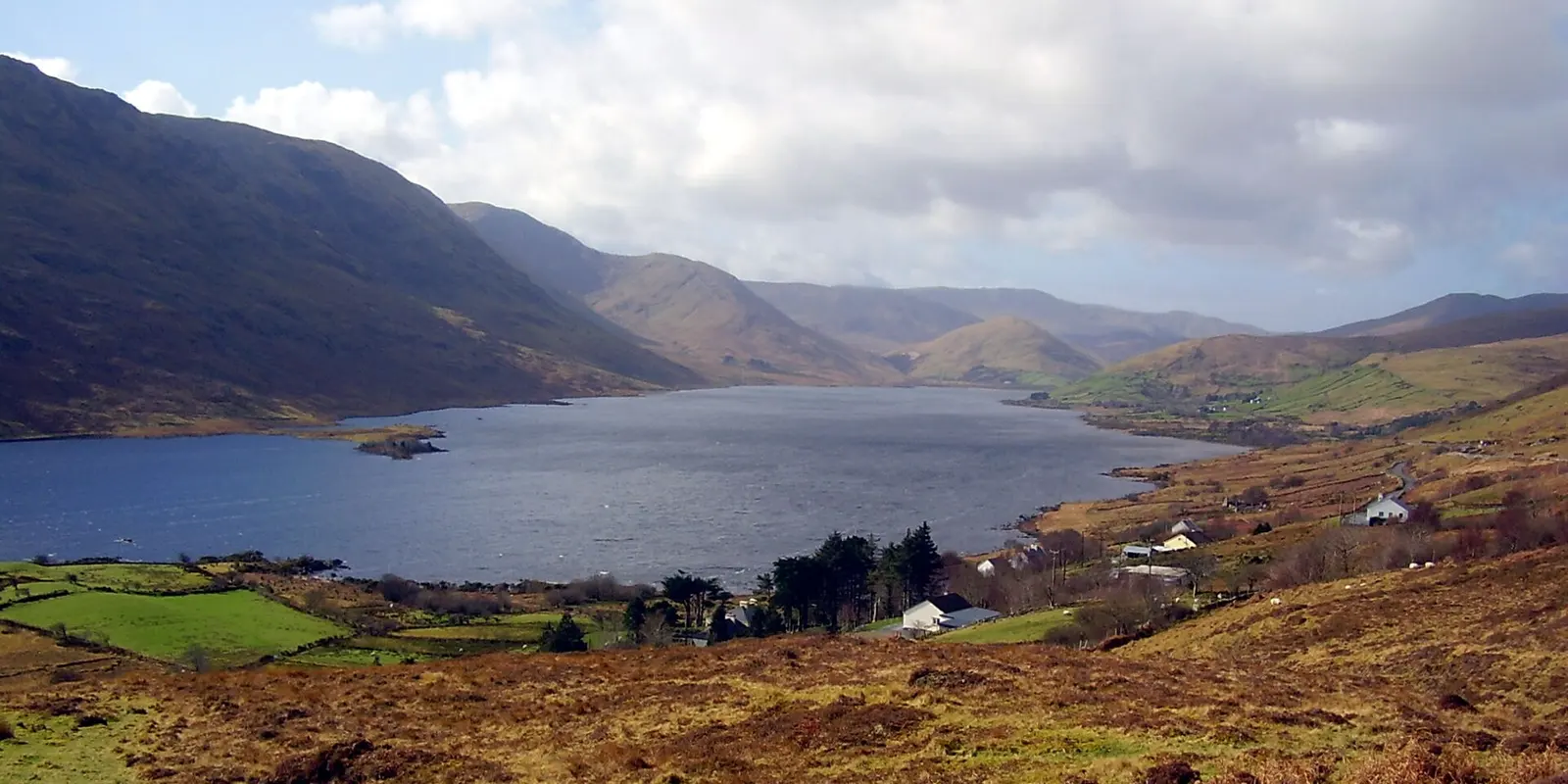
Loch na Fuaiche, Lough Nafooey, the lake of the fissure, is a rectangular glacial lake about 2.5 miles long and half a mile wide in a steep valley…
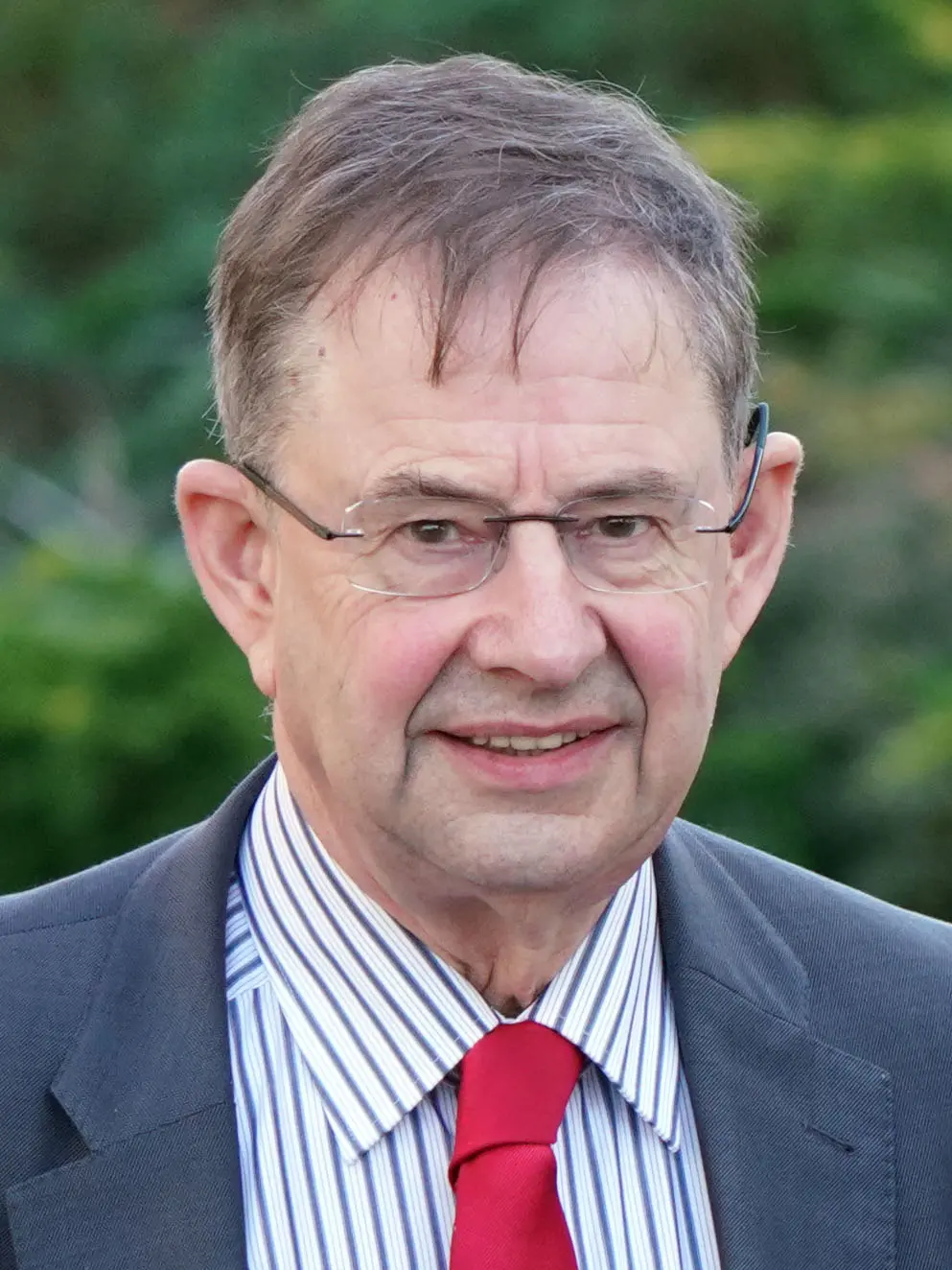
Éamon Ó Cuív, born 23 June 1950, son of the Celtic scholar Brian Ó Cuív and Emer de Valera, the last surviving daughter of the Taoiseach and…
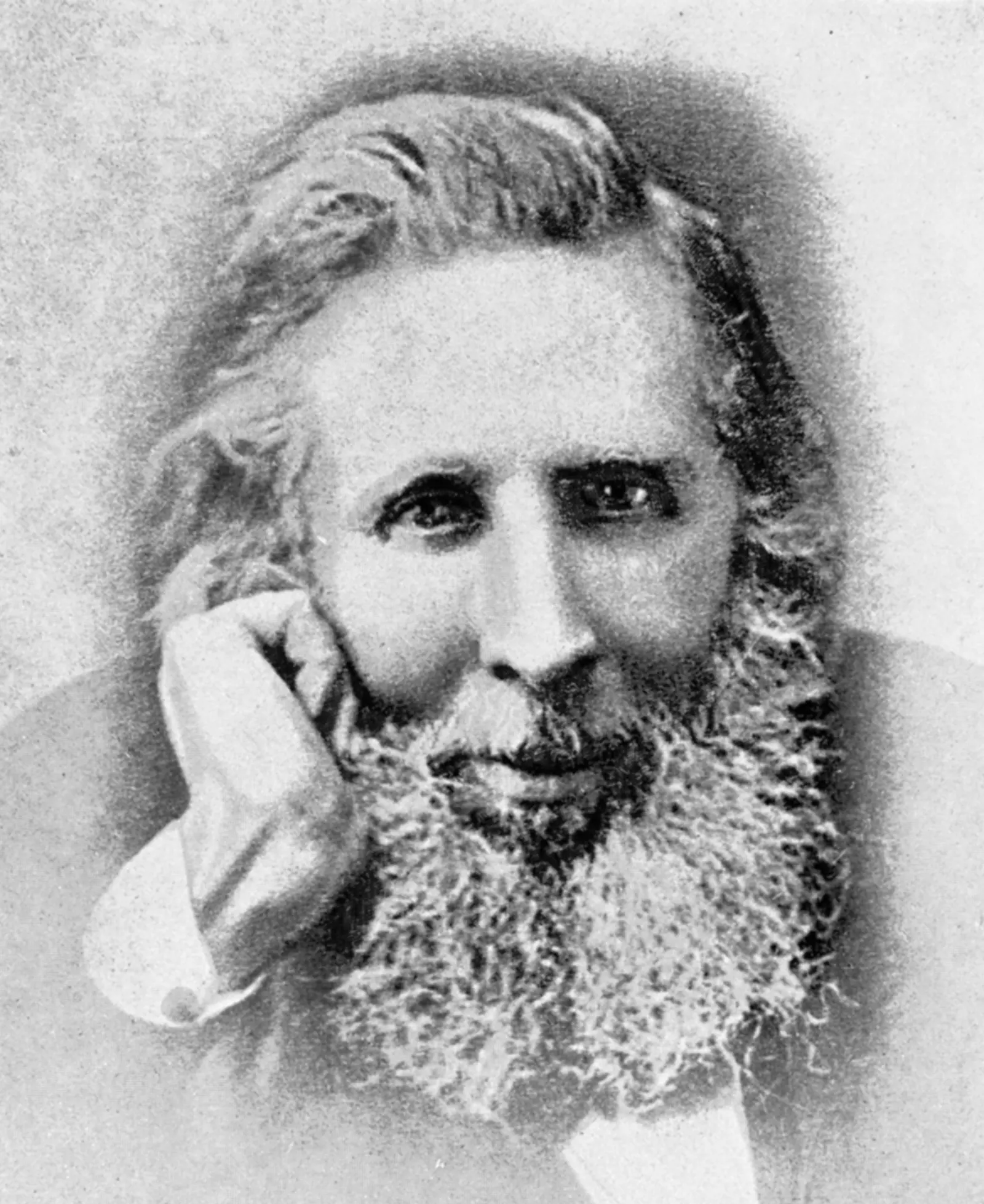
Sir William Wilde, born at Kilkeevin near Castlerea in March 1815 and died on 19 April 1876, was the eye and ear surgeon who ran St Mark's…
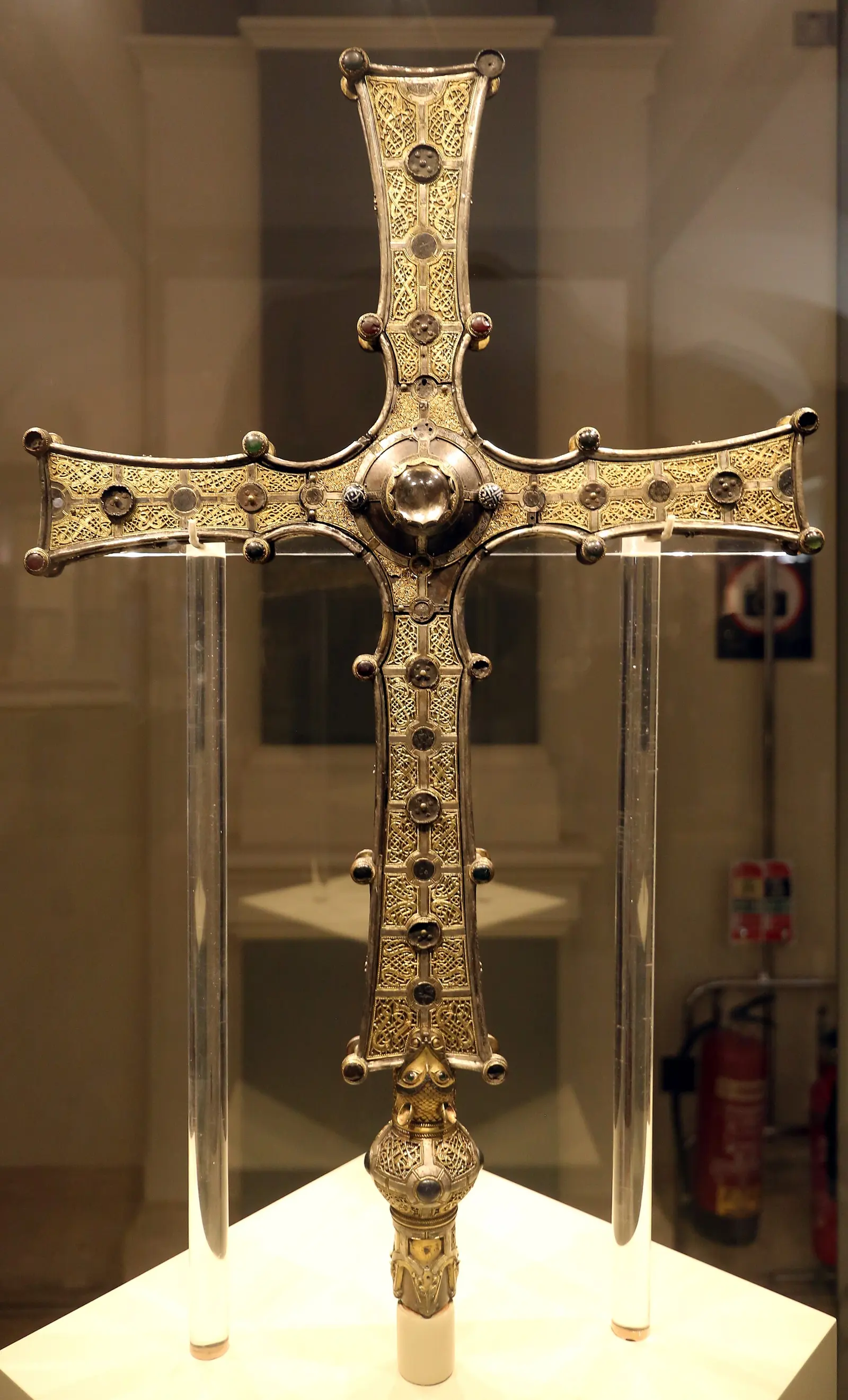
The Cross of Cong, Cros Chonga, the yellow staff, is the early 12th-century processional cross of oak covered in gold, silver, niello, copper,…
Claregalway 2
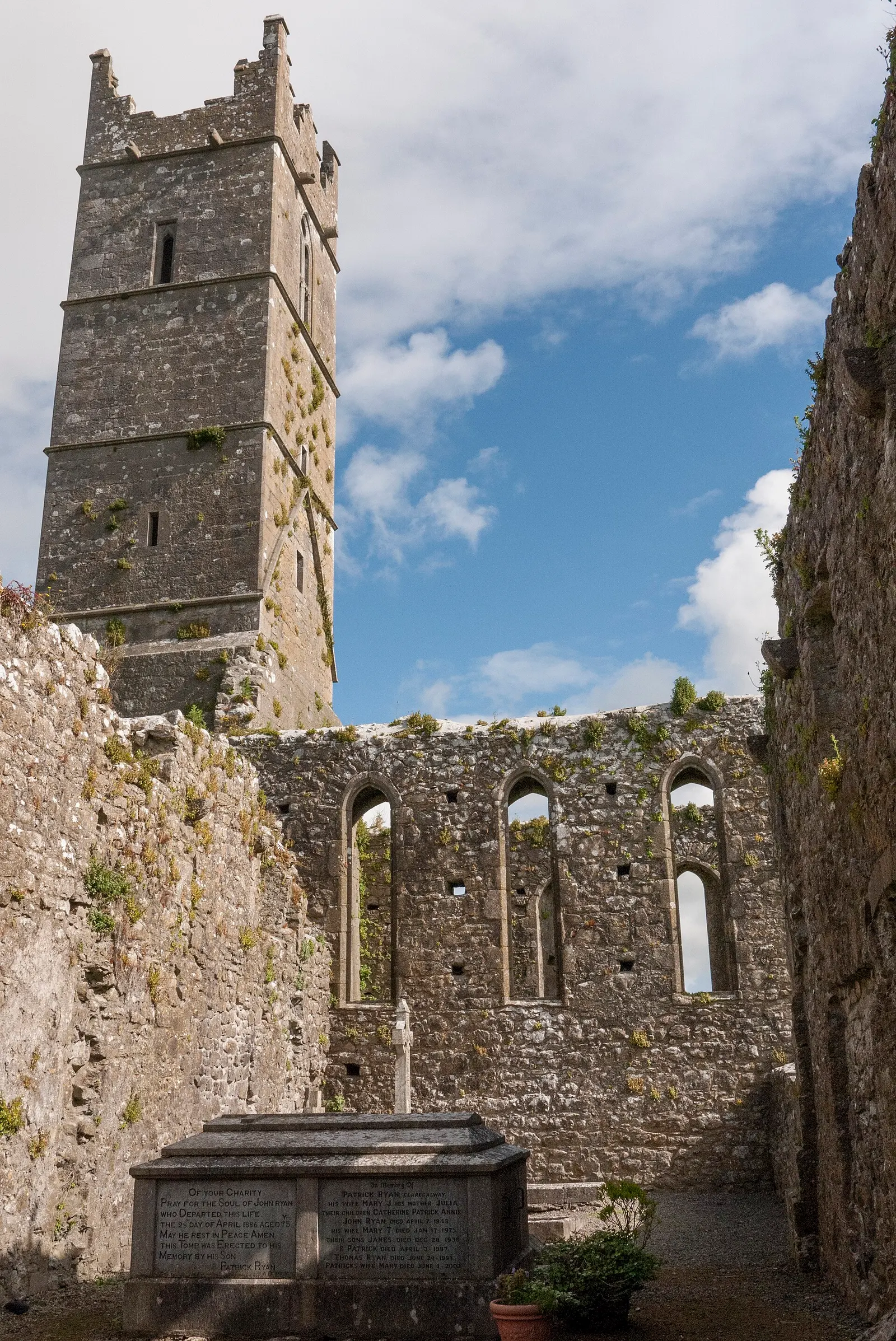
Claregalway Friary is the ruined Franciscan house on the River Clare founded about 1240 by John de Cogan: a cruciform church with a 24-metre bell…
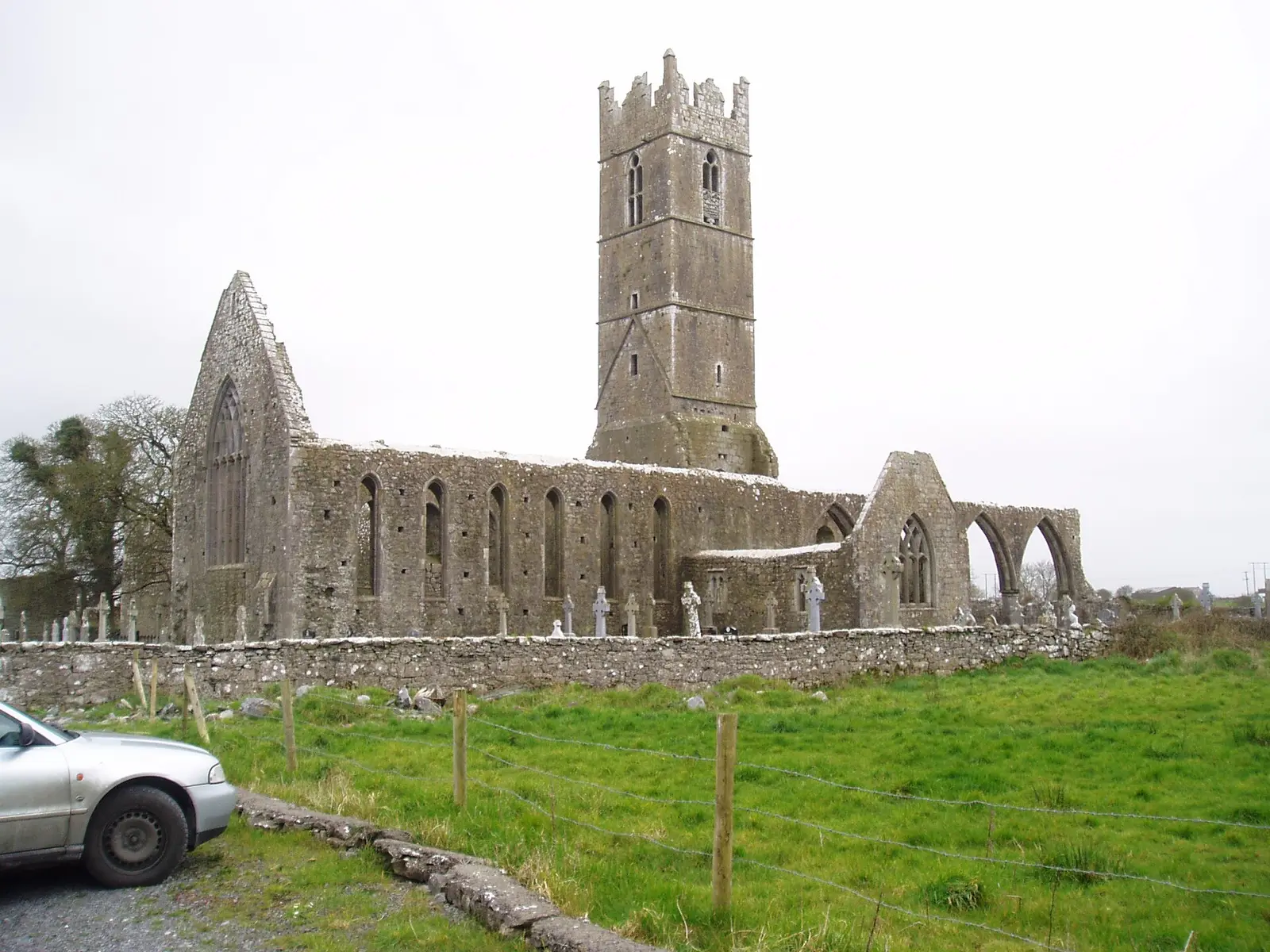
Coláiste Bhaile Chláir at Lakeview in Claregalway is the co-educational, multidenominational community college opened on 2 September 2013 under…
Aughrim 1
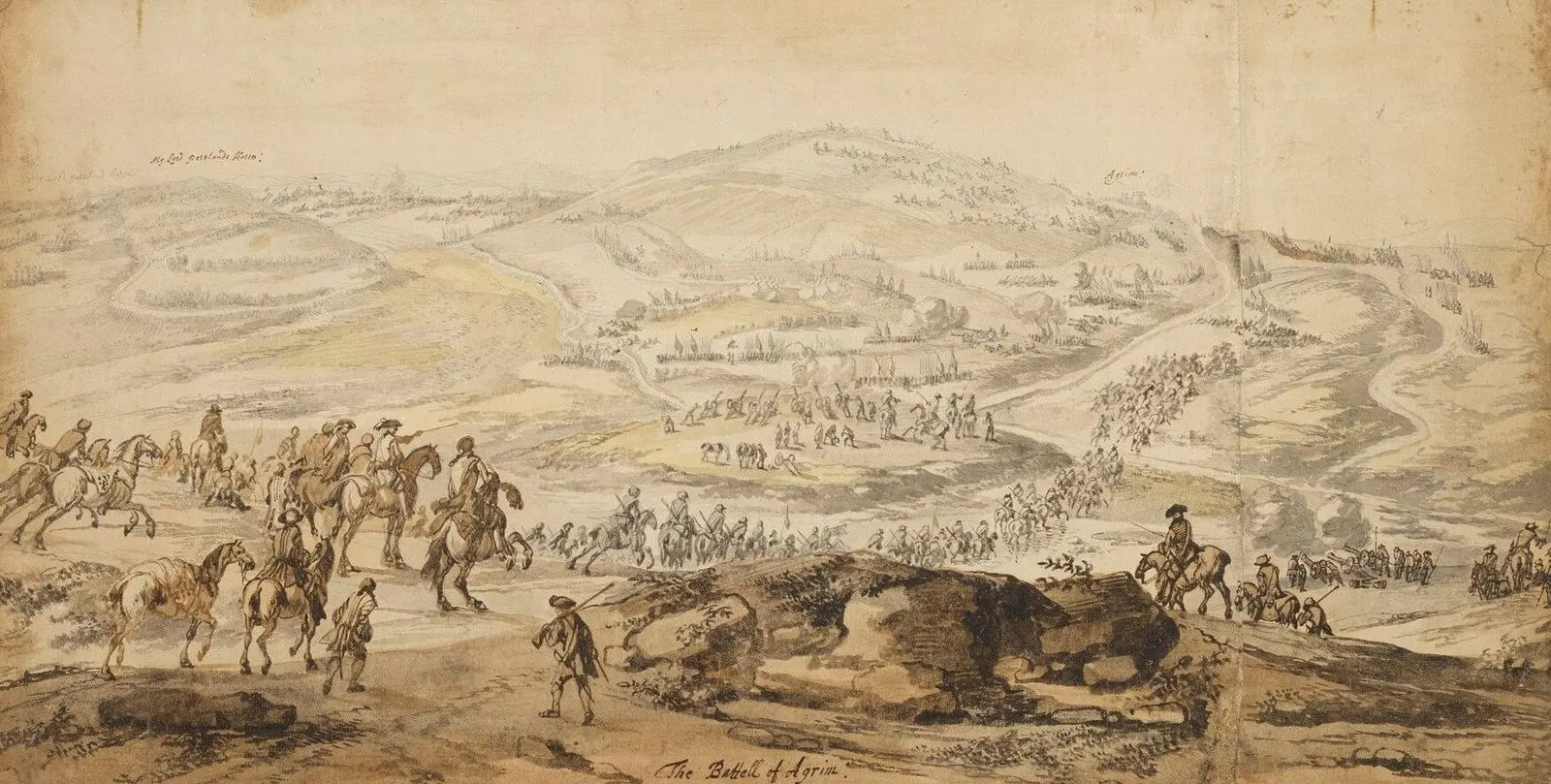
Eyrecourt 3
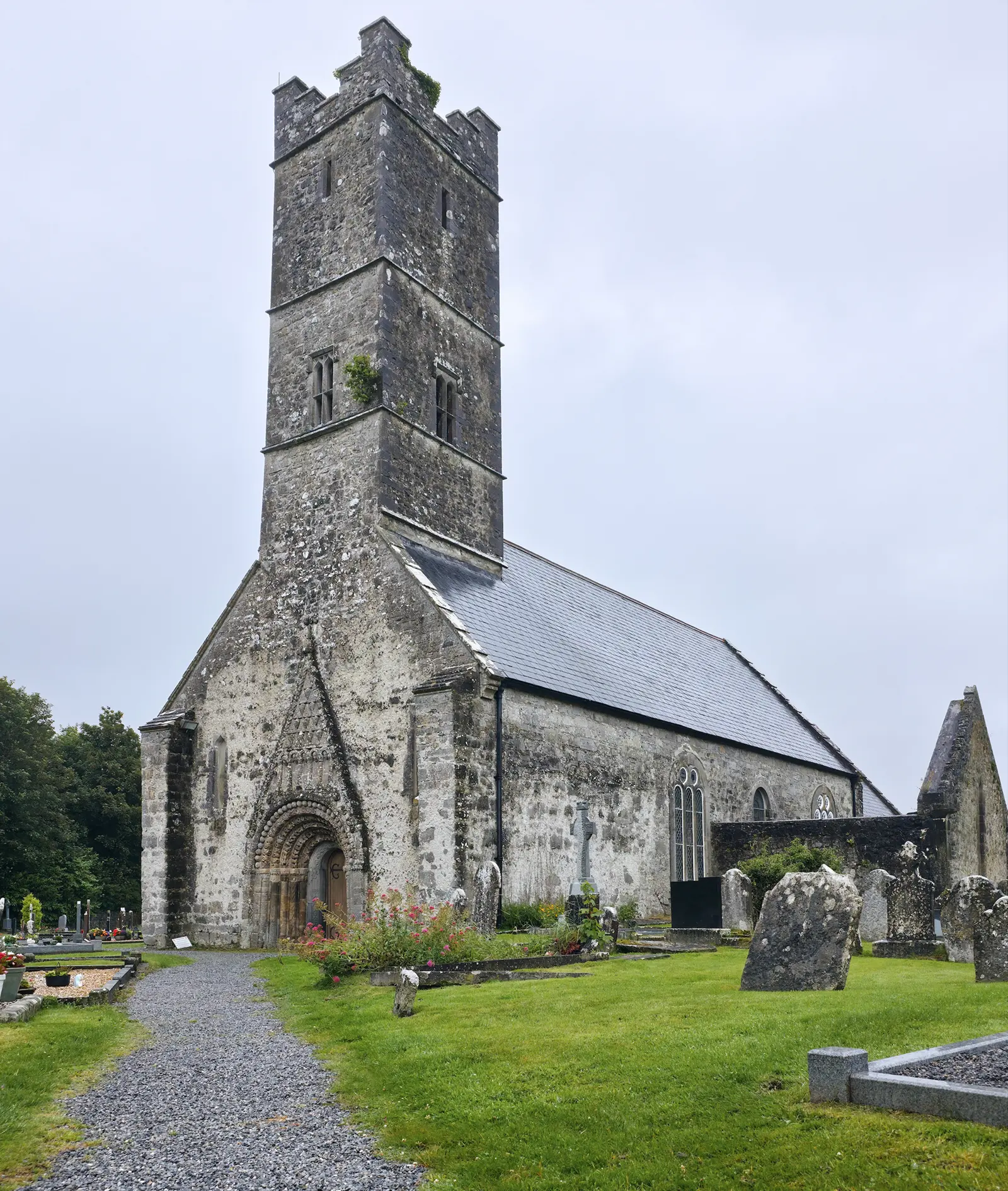
Clonfert Cathedral, on the site of the monastery St Brendan founded in 563 and where he was buried, is the small 12th-century church whose…
Meelick, Míleac, on the Shannon 4 km south-east of Eyrecourt, has by local account the oldest Catholic church in continuous use in Ireland, the…
Brendan of Clonfert, born in Tralee about 484 and died about 577, one of the Twelve Apostles of Ireland, is patron of the dioceses of Clonfert and…
Tuam 15
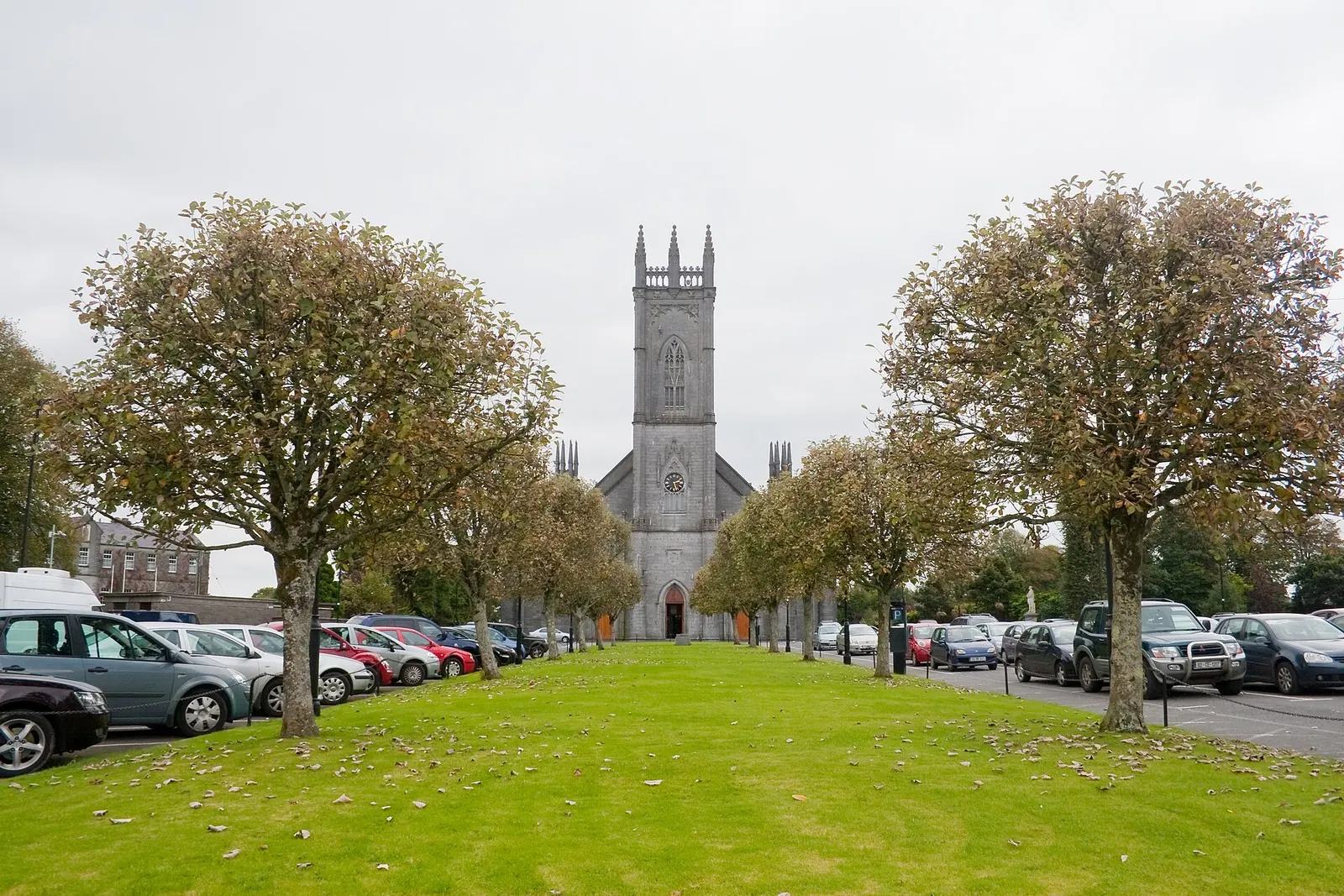
The Cathedral of the Assumption of the Blessed Virgin Mary is the Roman Catholic cathedral of the Archdiocese of Tuam, which covers half of…
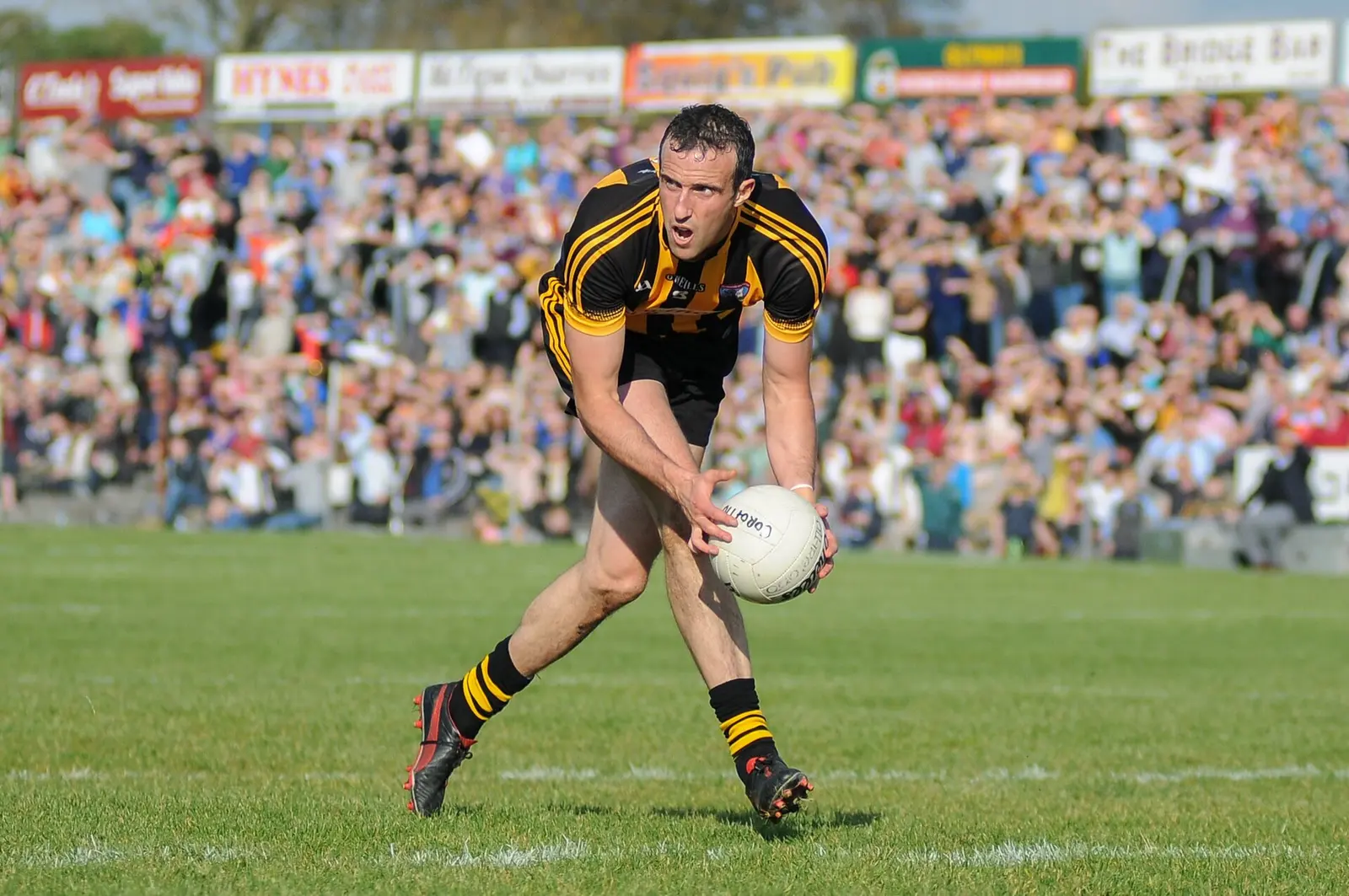
Tuam Stadium, St Jarlath's Park, is one of the main grounds of Galway's footballers: blessed and opened by Archbishop Walsh on 21 May 1950 with…
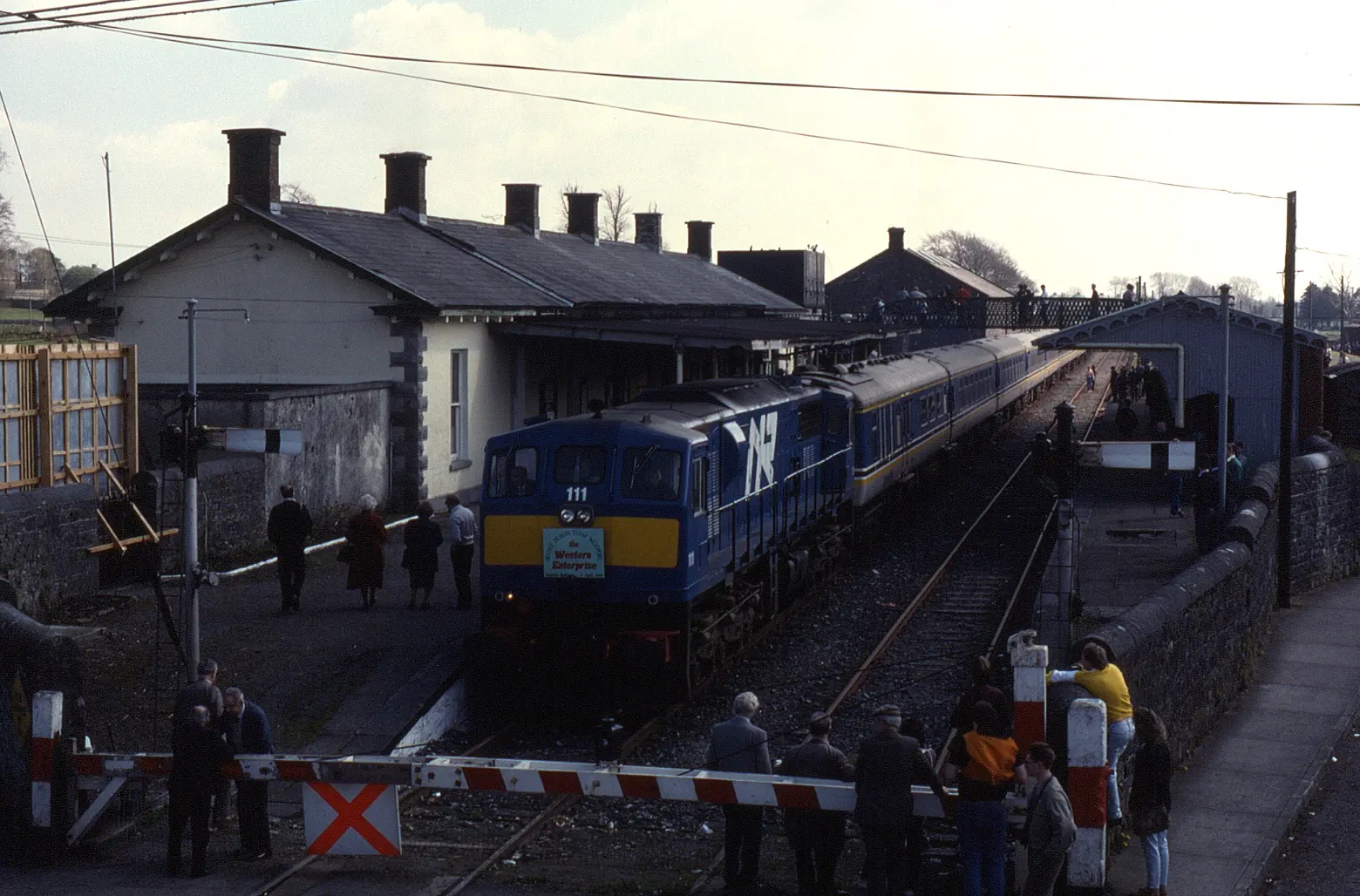
Tuam railway station opened in 1860 on the Waterford, Limerick and Western line from Limerick to Sligo, the only station between Athenry and…
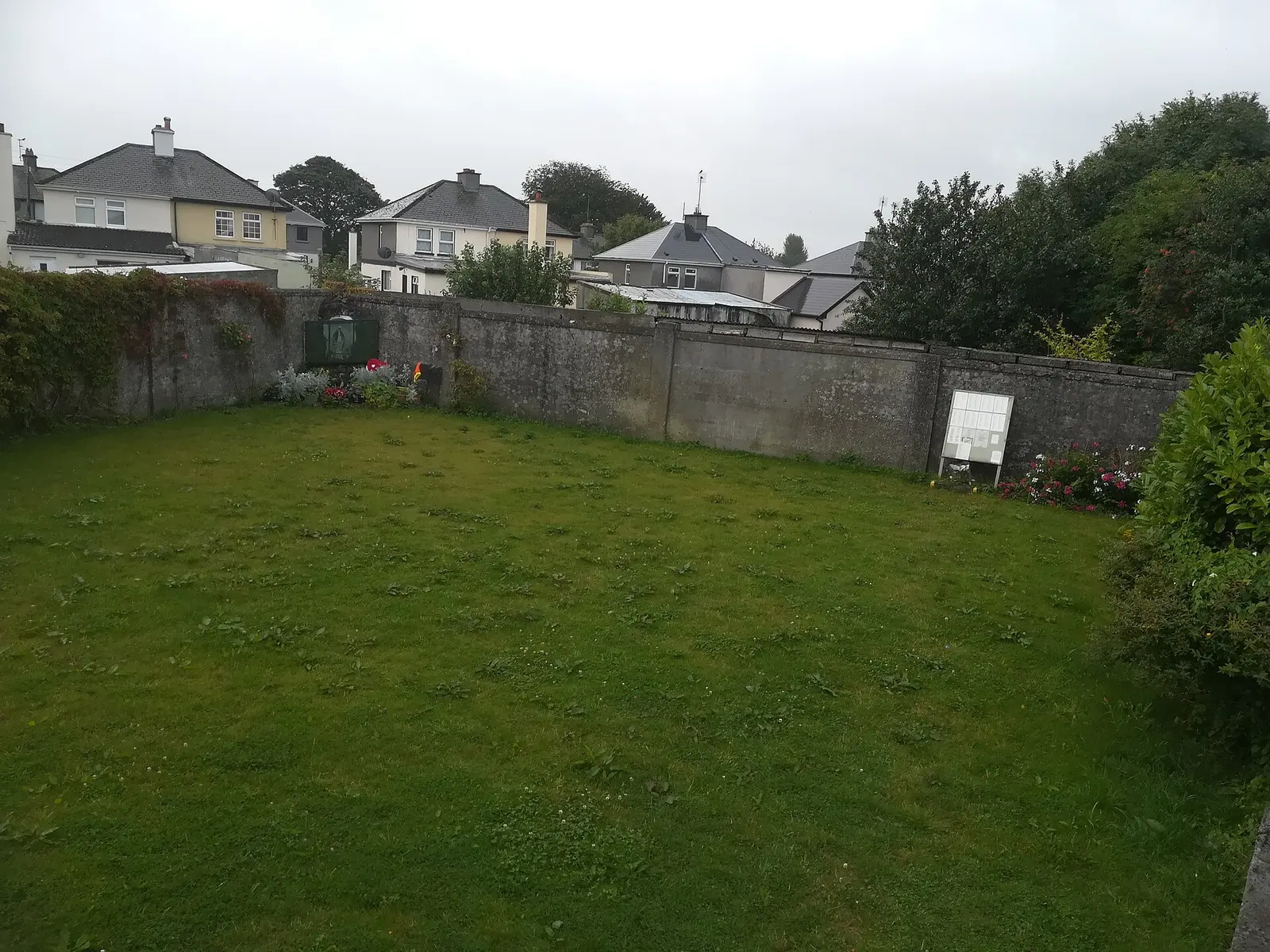
The Bon Secours Mother and Baby Home, St Mary's, ran in Tuam from 1925 to 1961 in the old workhouse of 1846, for Galway County Council: historian…
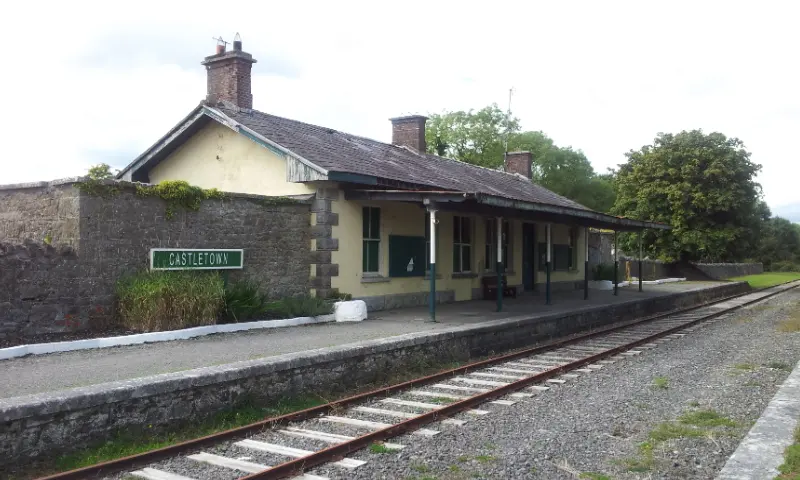
Ballyglunin railway station near Tuam, opened in 1860 by the Waterford, Limerick and Western Railway on the Limerick to Claremorris line, is the…
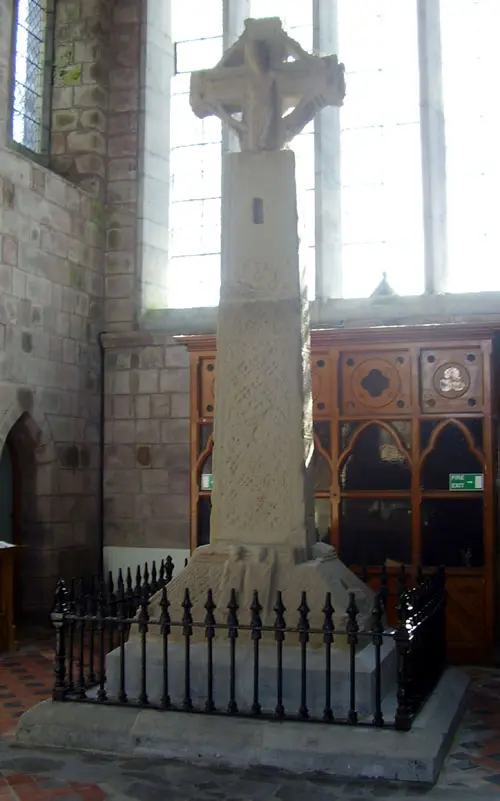
The N17 begins at the Kilmore Roundabout in Tuam and runs 95 km north through Milltown, Claremorris, Knock and Tubbercurry to Collooney in Sligo,…
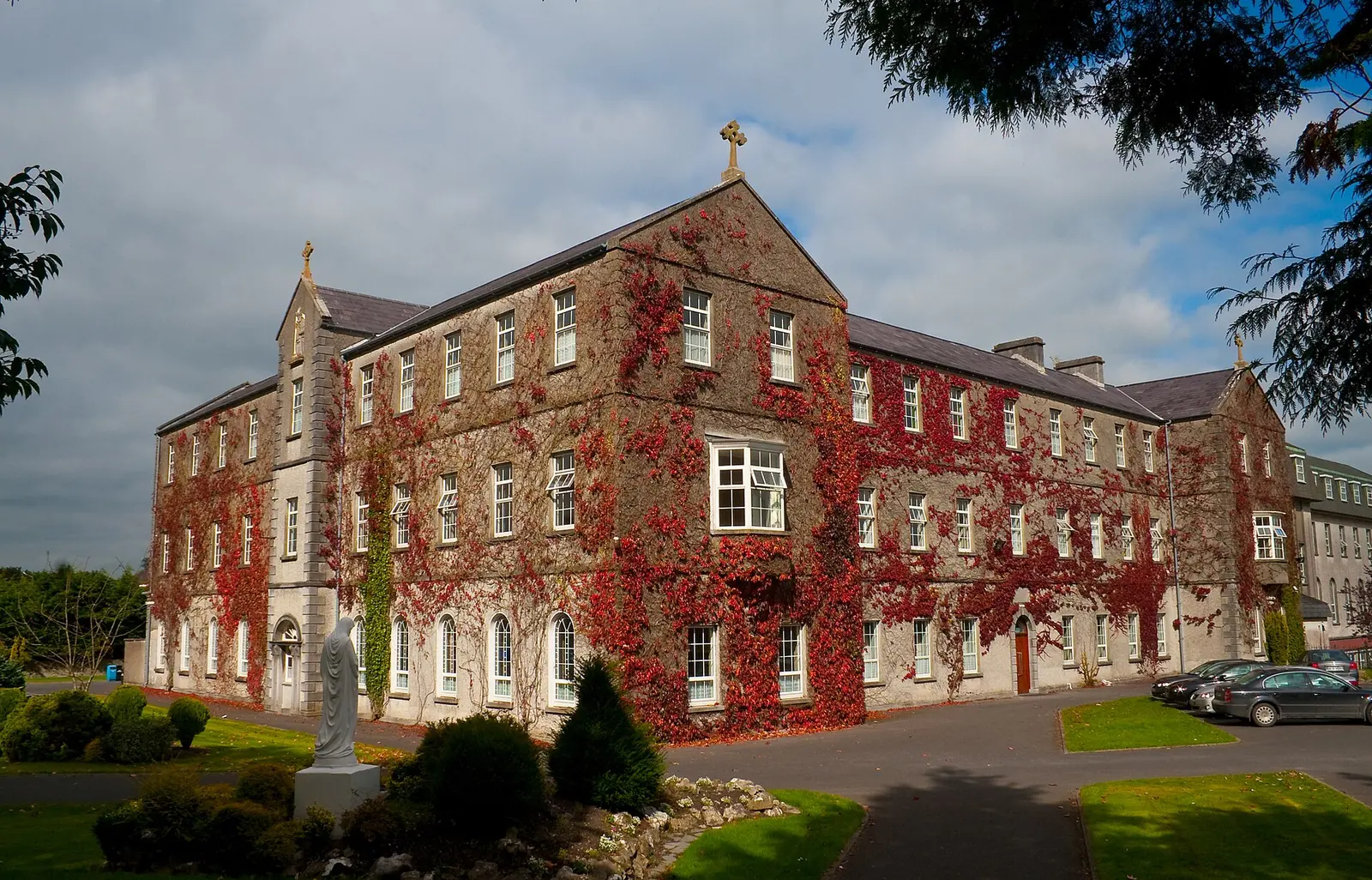
St Jarlath's College, Coláiste Iarfhlatha, was founded in Tuam in 1800 by Archbishop Edward Dillon to prepare boys for Maynooth, beginning in two…
North Galway is football country: Tuam Stars, formed in 1887 as a soccer club and playing Gaelic football from St Patrick's Day 1889; Dunmore…
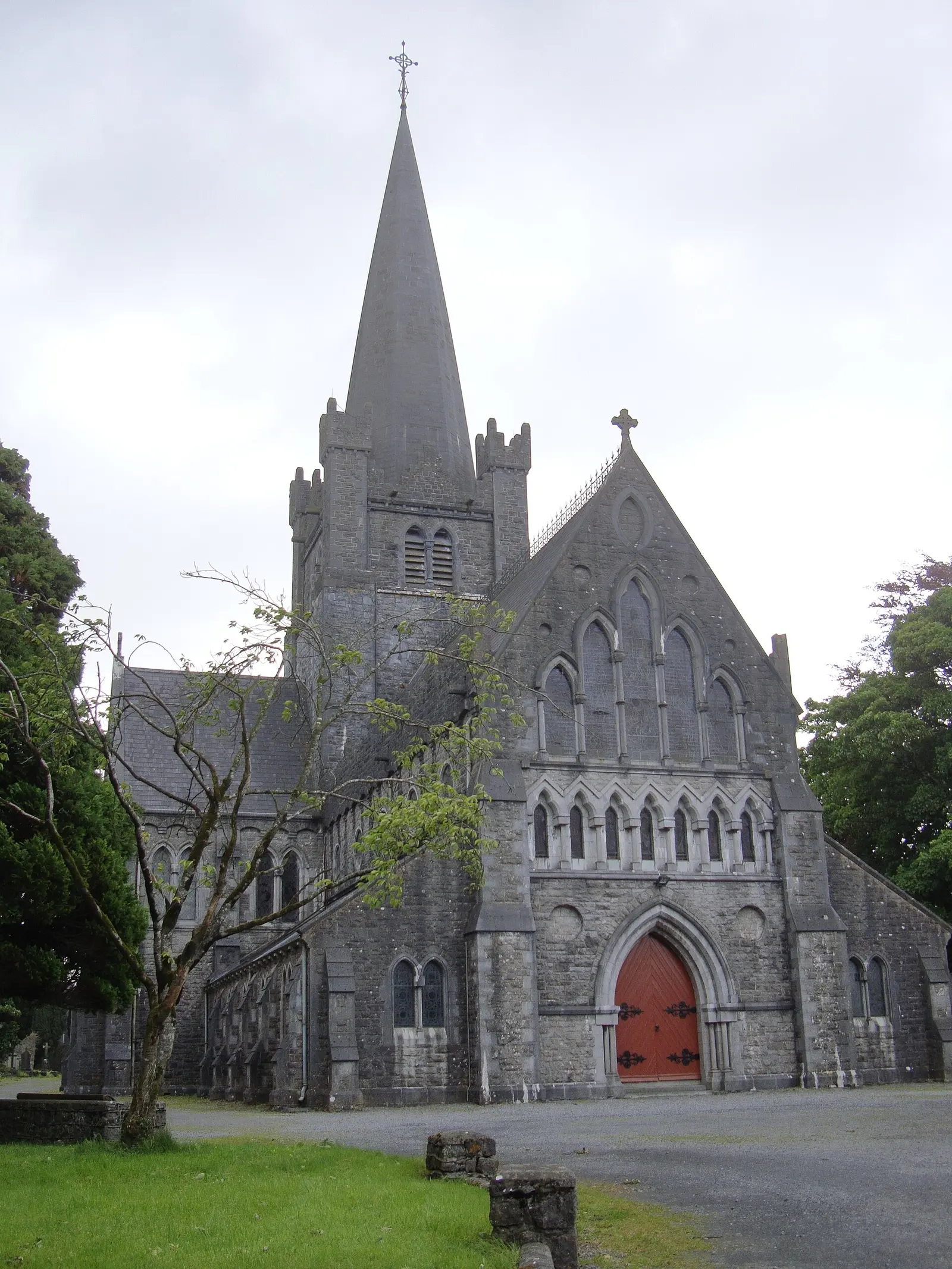
St Mary's, Ard-Eaglais Mhuire, is the Church of Ireland cathedral in Tuam, seat of the Archdiocese of Tuam from the 12th century to 1839 both…
Tom Murphy, born in Tuam on 23 February 1935, the youngest of ten children whose elder siblings emigrated to Birmingham one by one, and died on 15…
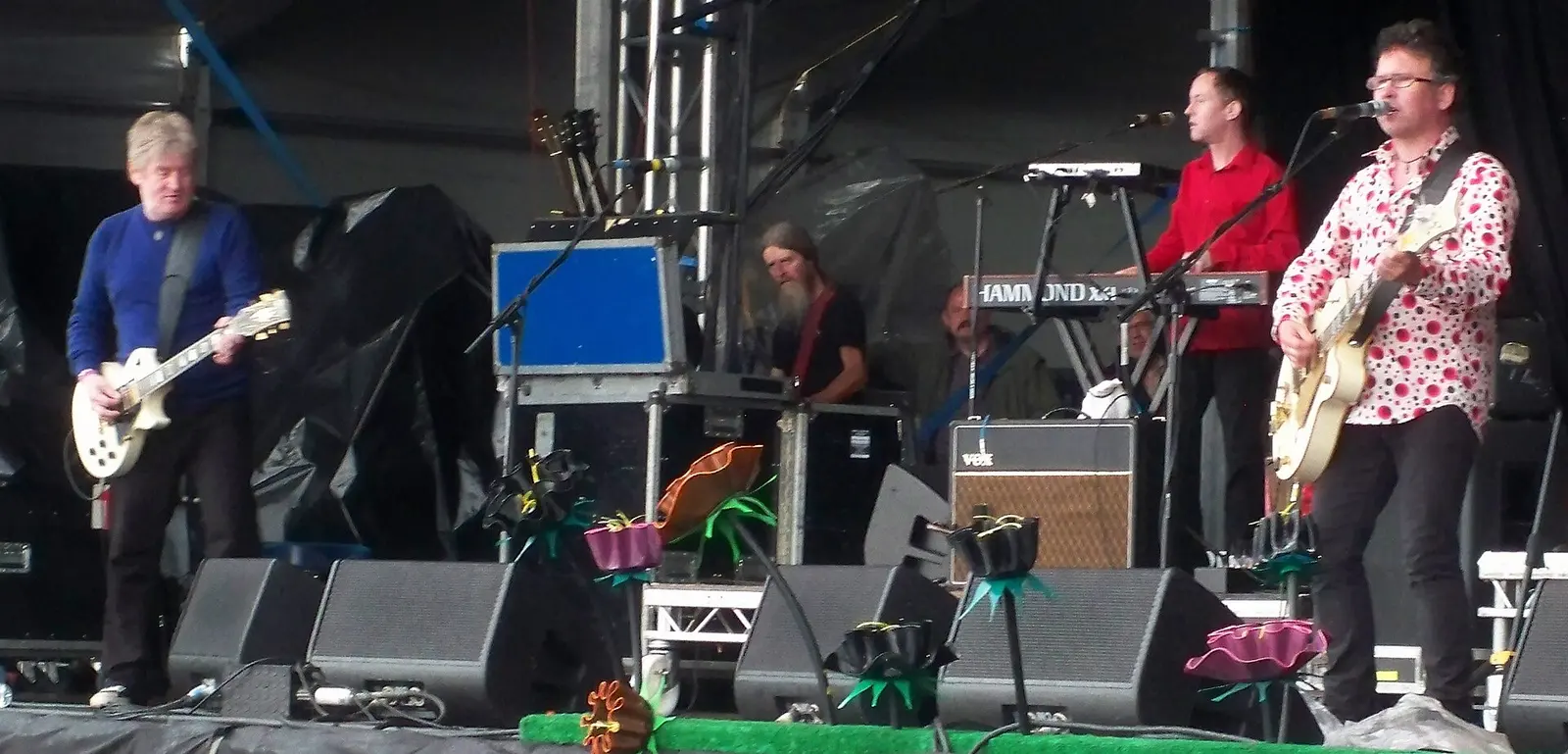
The Saw Doctors, formed in Tuam in 1986 by Leo Moran of the reggae band Too Much for the White Man and Davy Carton of the punk band Blaze X,…
Catherine Corless, born Farrell in Tuam in 1954, a former factory secretary and full-time mother of four who took an evening course in local…
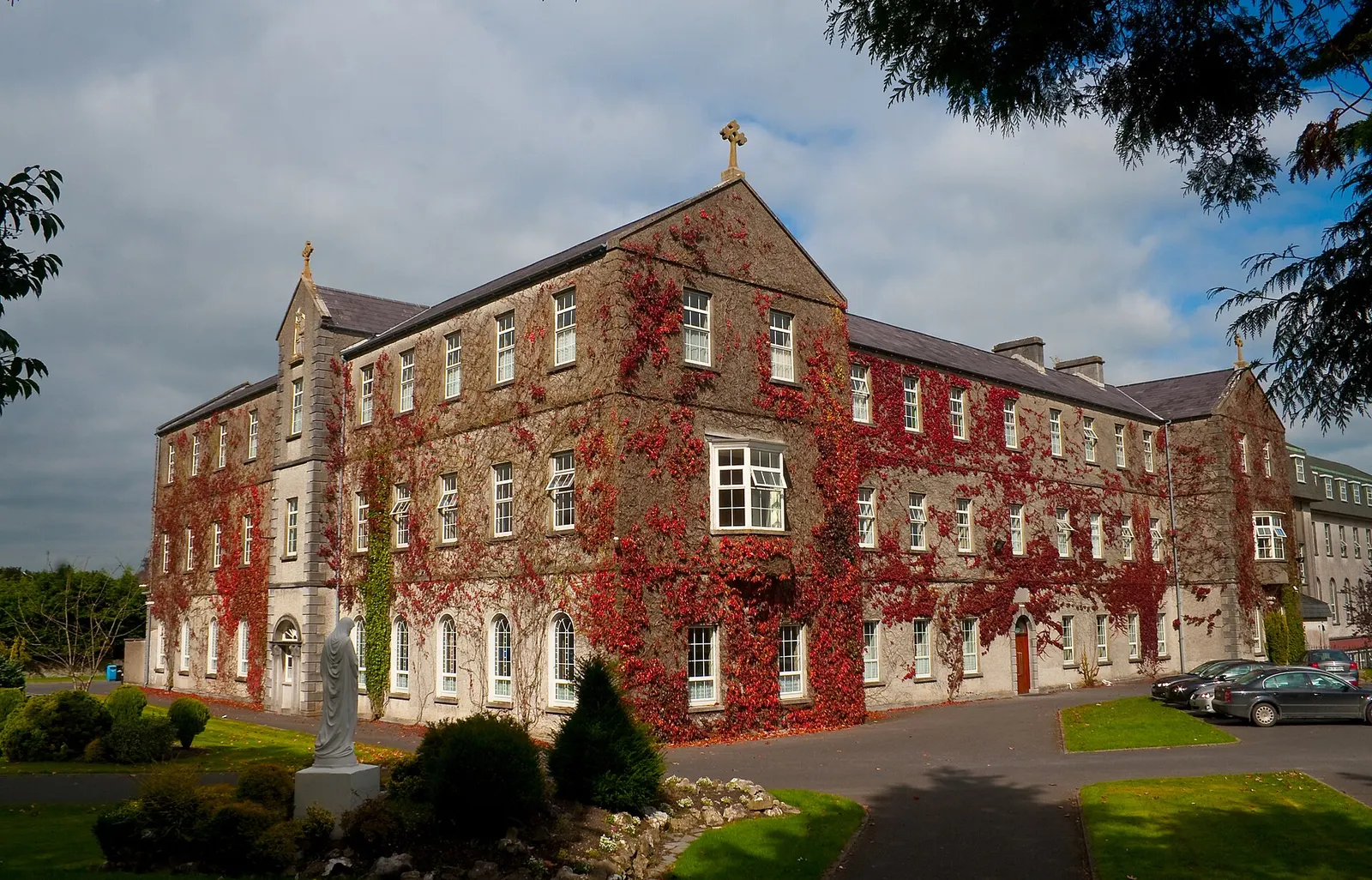
Two Tuam Stars men born eleven days apart in December 1928 made Galway football in the 1950s: Seán Purcell, the Master, a Hogan Cup winner with St…
Pádraic Joyce, born 1 April 1977, won a Hogan Cup with St Jarlath's in 1994, a Sigerson Cup with IT Tralee in 1997, two All-Ireland senior…
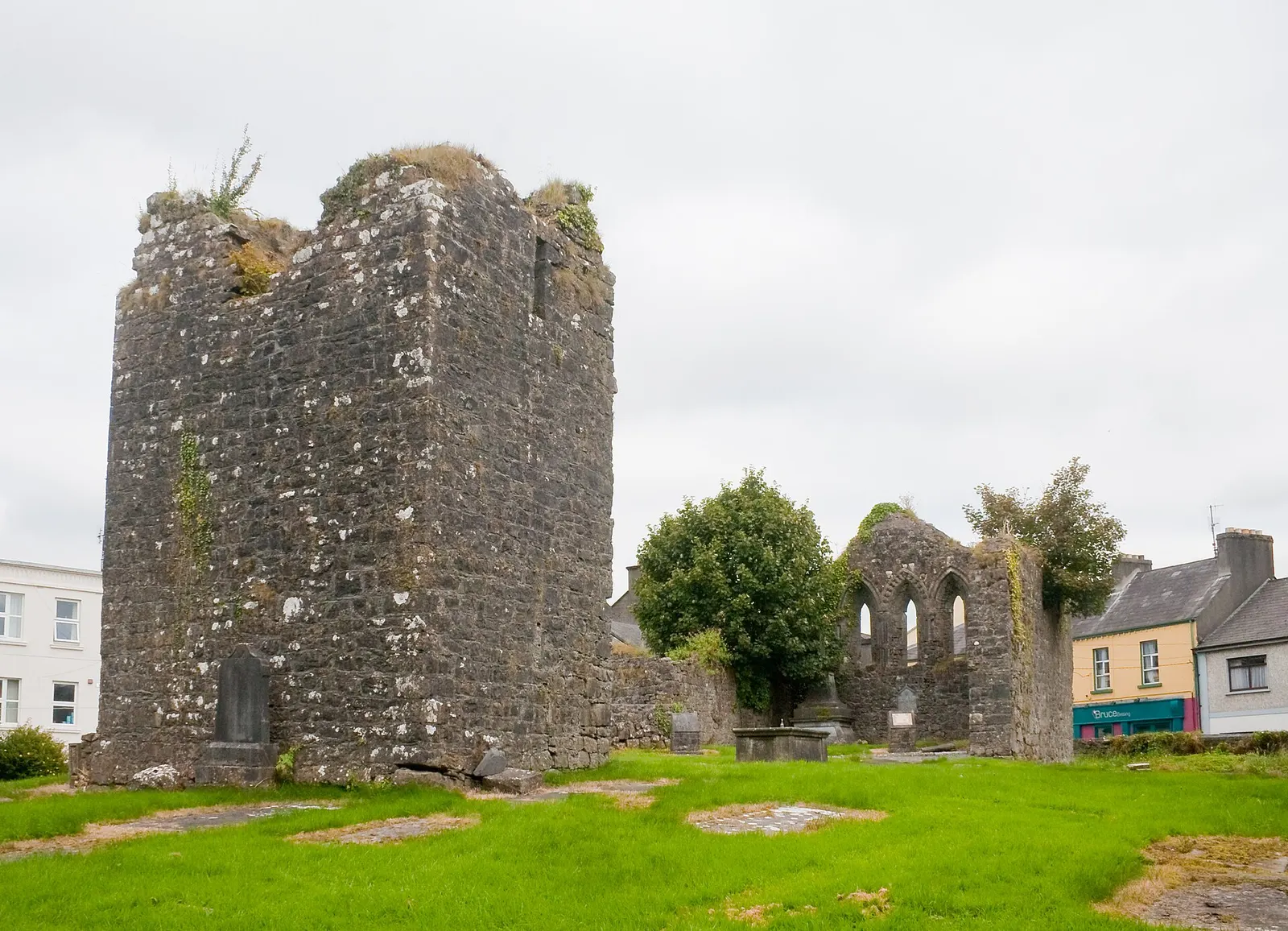
Iarlaithe mac Loga, St Jarlath, the sixth-century priest and scholar of the Conmhaicne who founded the monastic school of Tuam and is patron of…
Roundstone 3
Roundstone, Cloch na Rón, the seal's rock, is the harbour village opposite Inishnee on Roundstone Bay, 76 km from Galway and 18 km from Clifden:…
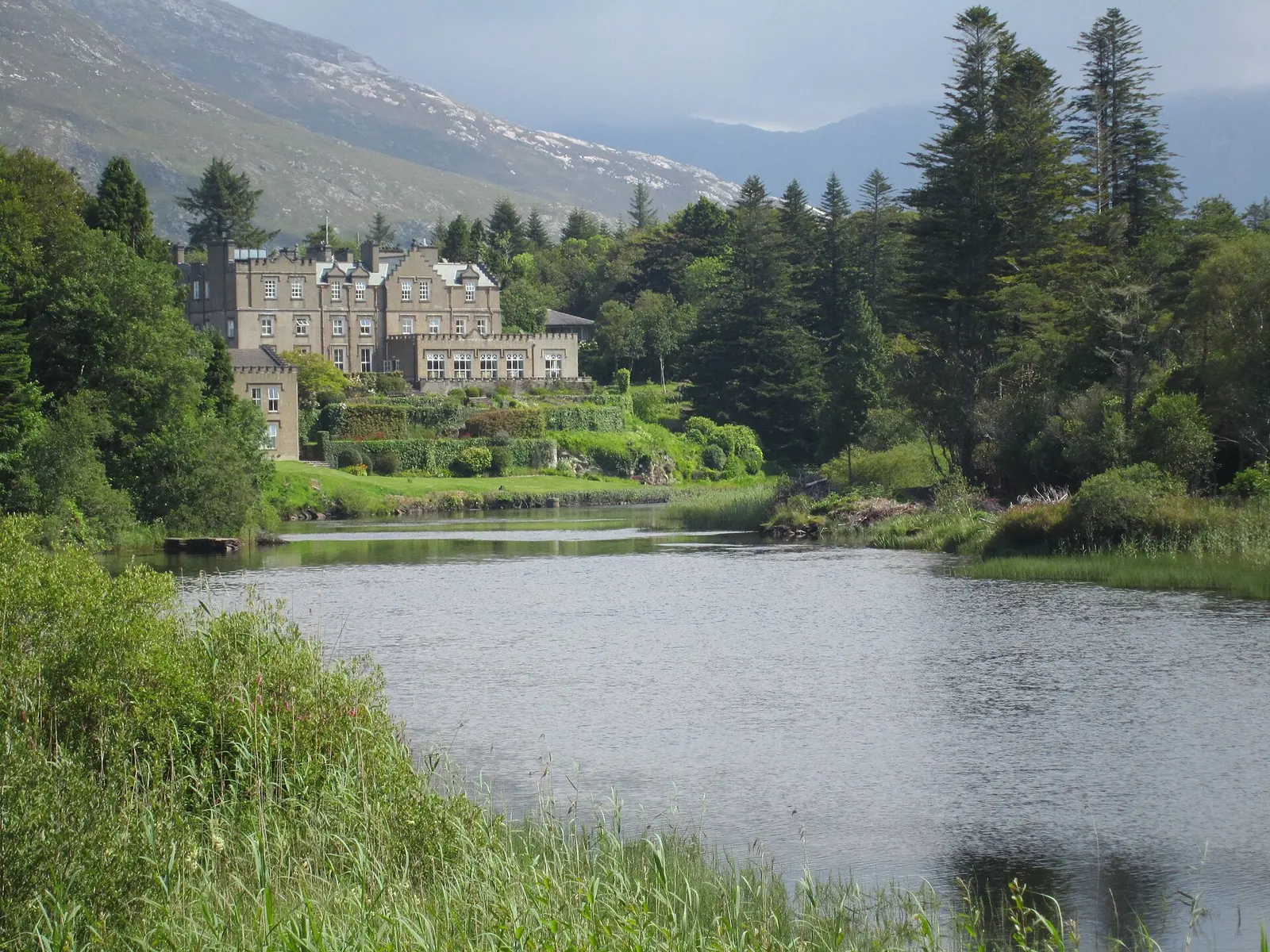
Ballynahinch Castle, the three-storey country house of 1754 on the south shore of Ballynahinch Lake under Benlettery, is a luxury hotel in a…
Two men behind Roundstone: Colonel Richard Martin of Ballynahinch, born at Dangan on 15 January 1754, MP from 1776, duellist of a hundred fights…
Carna 1
Barna 2
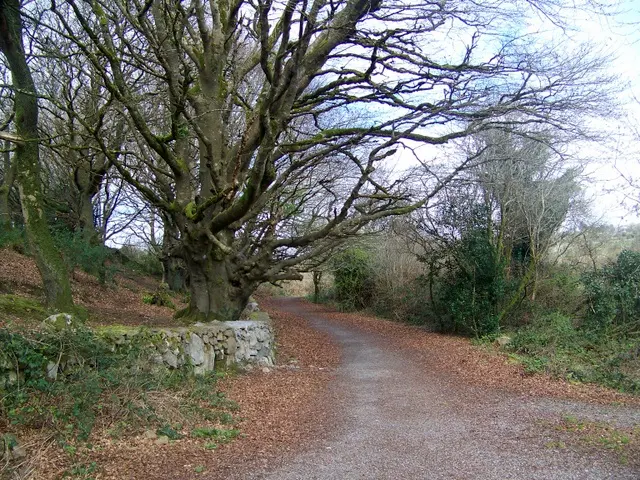
Barna Woods, Coill Bhearna, is a mixed broadleaf wood about 3 miles from Galway city centre, owned by Galway City Council and part of the Galway…
Bearna, Barna, is the coastal Gaeltacht village on the R336 about 7 km west of Galway city that has become a satellite of the city: 2,336 people…
Monivea 1
Mountbellew 1
Baile na hAbhann 1
Costelloe 1
Furbo 1
Inverin 2
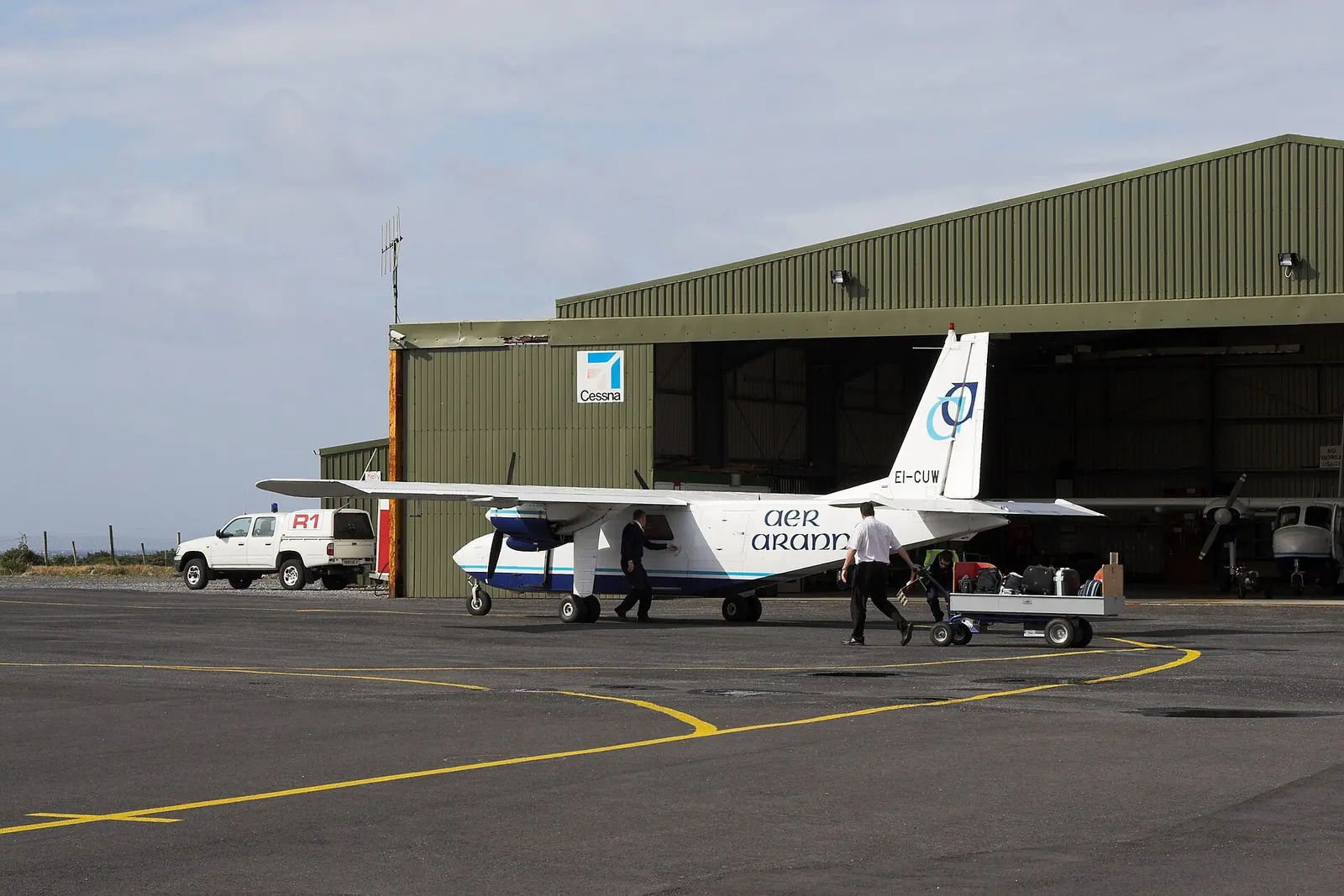
Connemara Airport at Inverin, Aerfort na Minne, NNR, is 28 km west of Galway city: built in 1992 with funding from Údarás na Gaeltachta to keep…
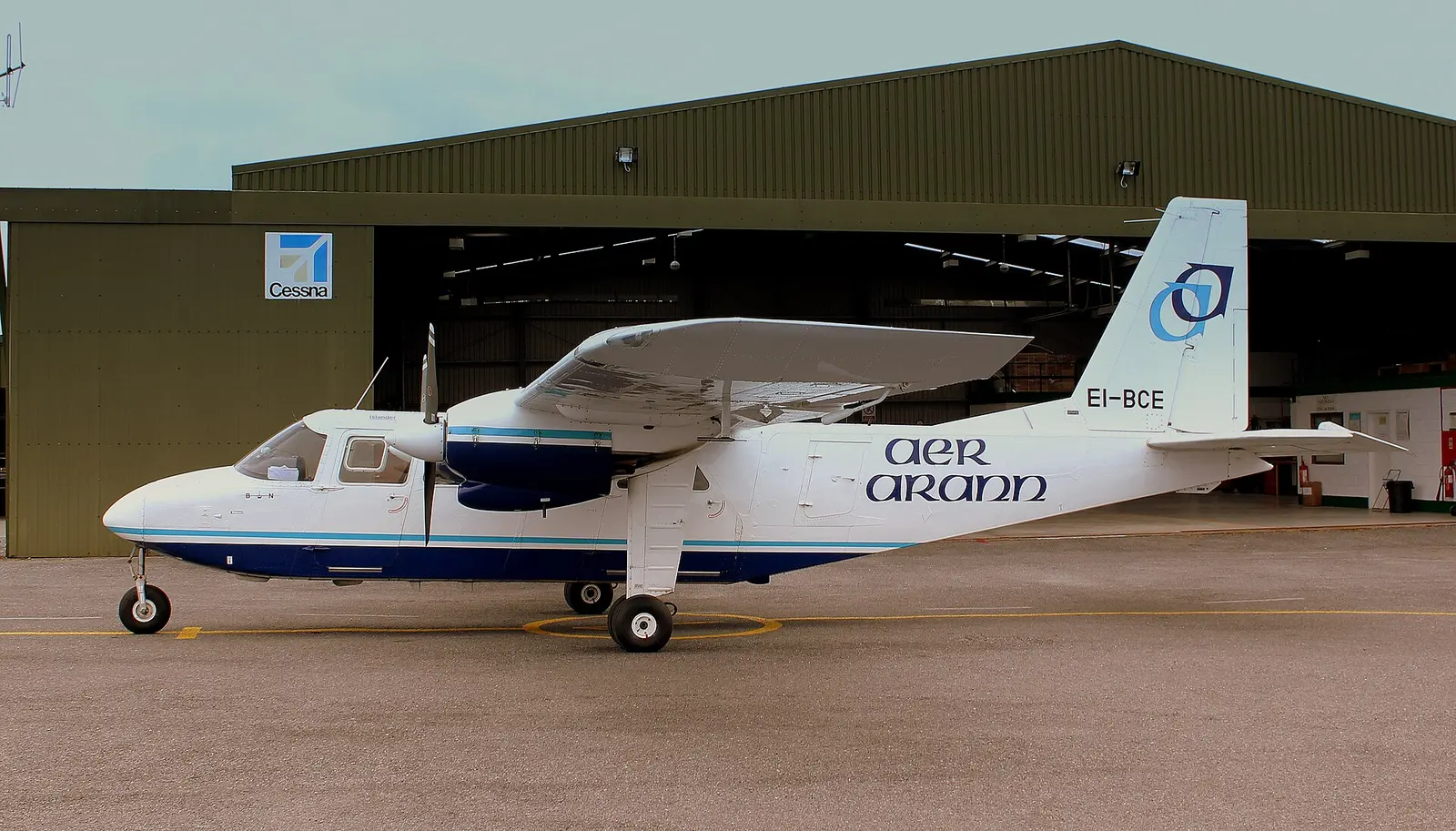
Aer Arann Islands is the small airline at Connemara Airport in Inverin flying three Britten-Norman BN-2 Islanders to Inishmore, Inis Meáin and…
Corrandulla 1
Moycullen 1
Dunmore 1
Craughwell 2
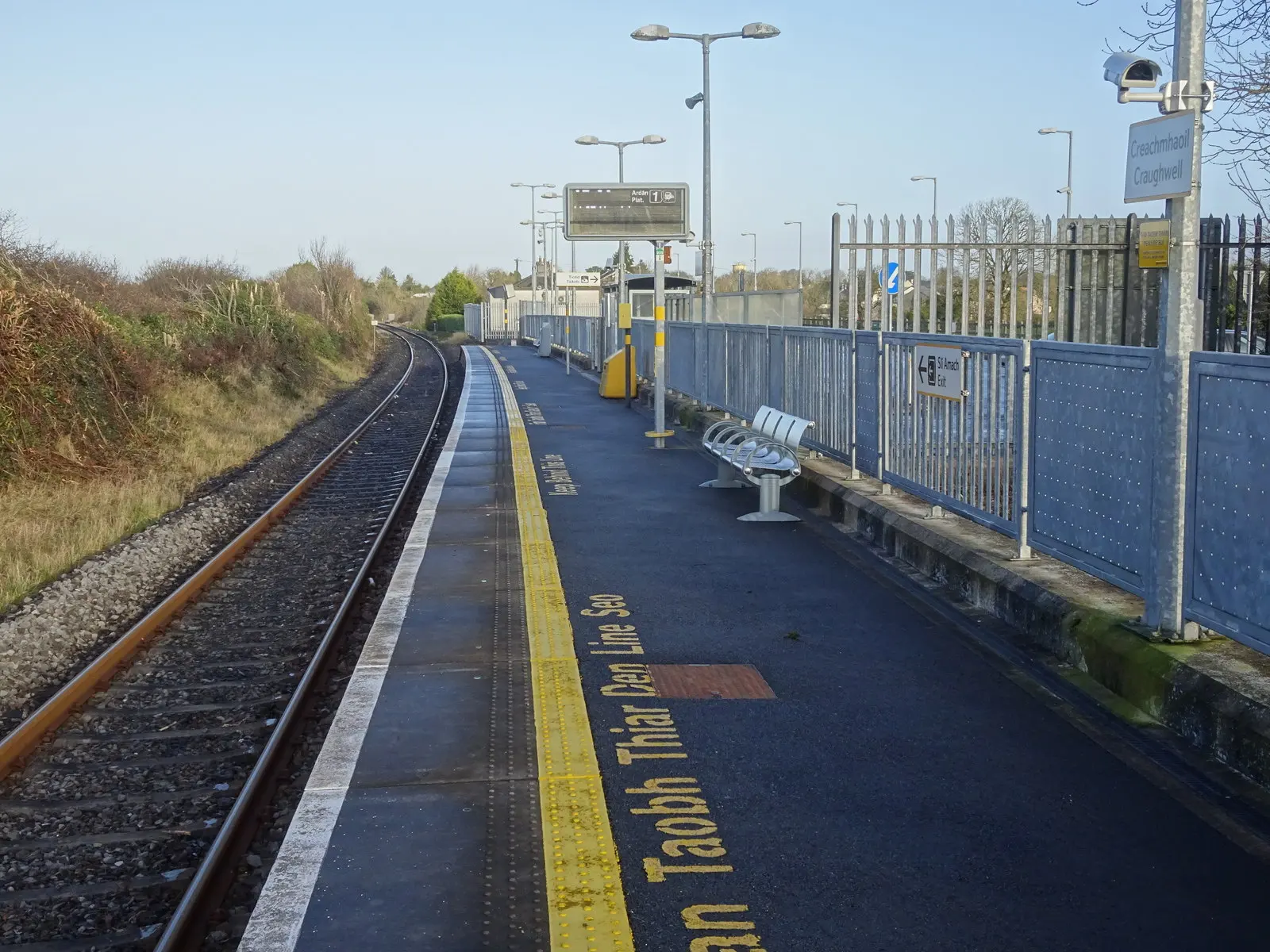
Craughwell has an unstaffed single-platform station on the Galway to Limerick line: a station stood in the village from the mid-19th century on…
Rahasane Turlough west of Craughwell is the largest surviving turlough in Ireland, a karst lake of 257 hectares in two basins that fills in winter…