About Letterfrack
Letterfrack is a village in County Galway, 67 km north-west of Galway city. A village Quakers founded in the Famine at the head of Ballinakill harbour, the gate of Connemara National Park, and the site of one of the oldest Marconi stations still standing.
- Where
- 67 km from Galway, 245 km from Dublin
- Position
- 53.5535° N, 9.9483° W
- In Irish
- Leitir Fraic
- On the model
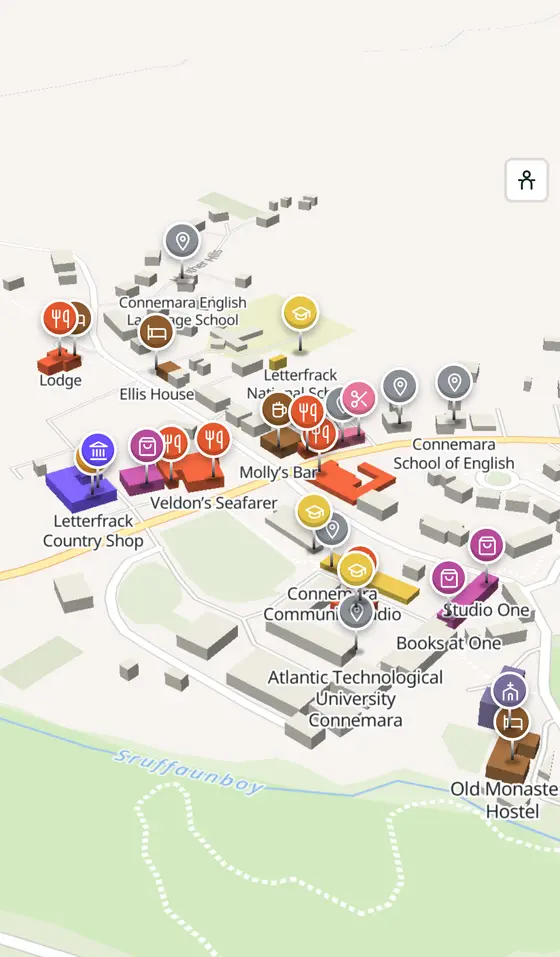
- 344 buildings, 3 streets, 210 places in 40 kinds
- Read more
- Letterfrack on Wikipedia
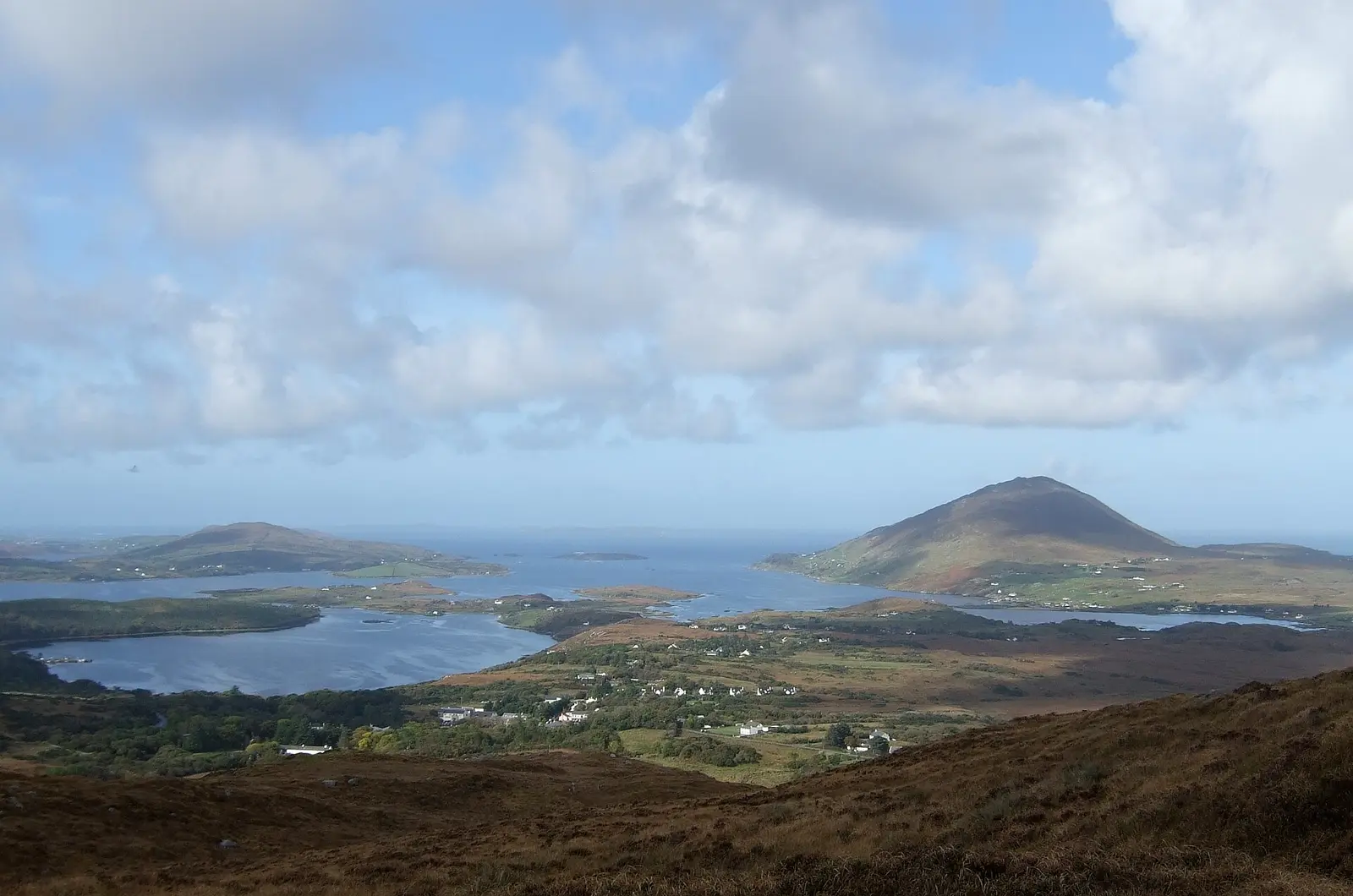
Chalky Lives, CC BY-SA 2.0 via Wikimedia Commons

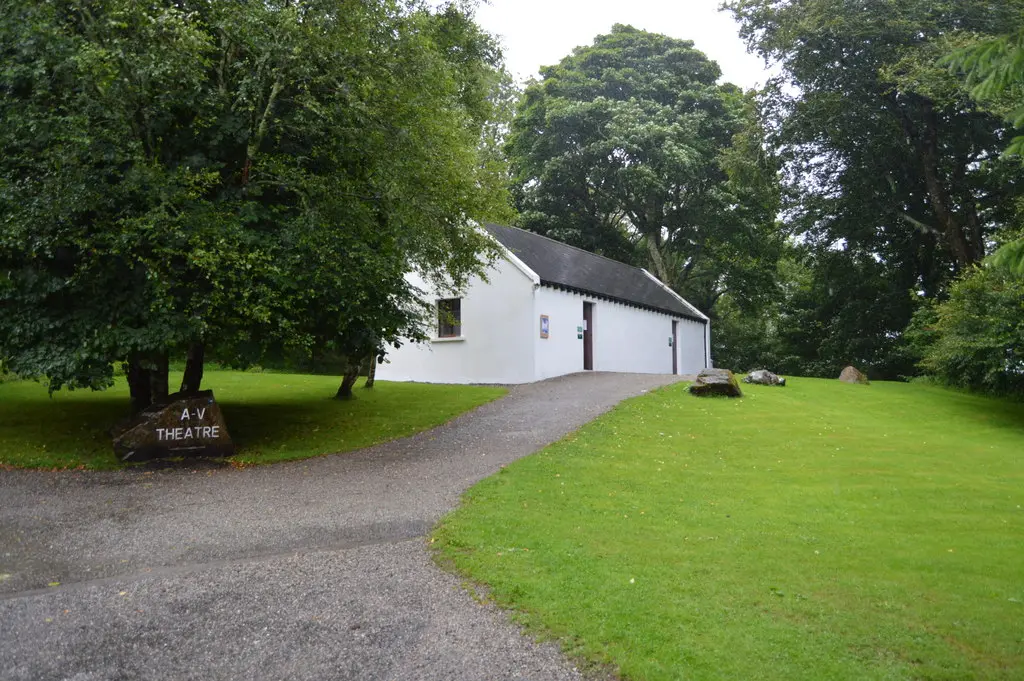
N Chadwick, CC BY-SA 2.0 via Wikimedia Commons

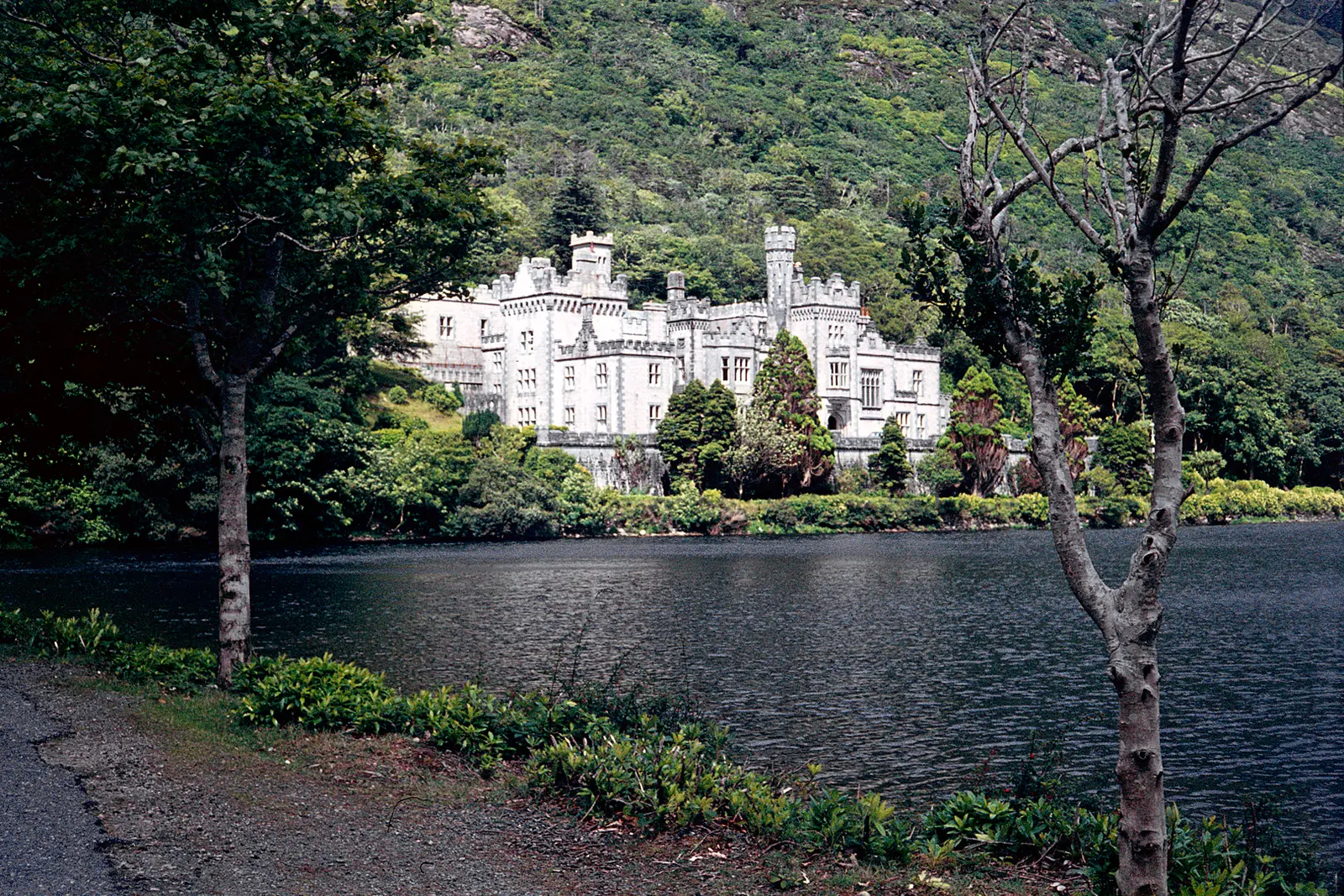
Roger D Kidd, CC BY-SA 2.0 via Wikimedia Commons

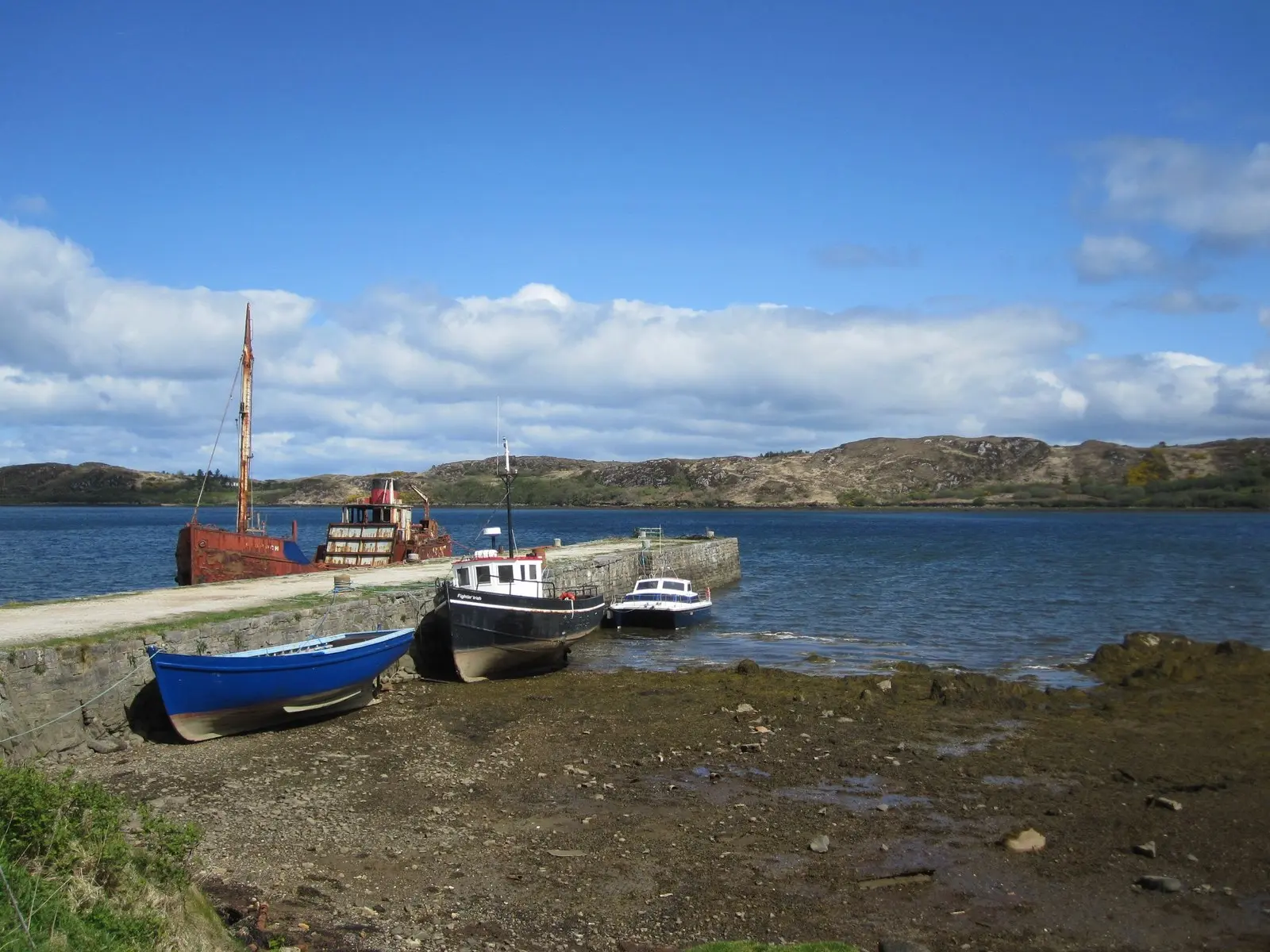
Keith Salvesen, CC BY-SA 2.0 via Wikimedia Commons

A short history
- 1849The Ellises. James and Mary Ellis, Quakers from Bradford, took nearly a thousand acres of rough land to farm and plant with woodland, and built a schoolhouse, tradesmen's houses, a shop, a dispensary and a temperance hotel.
- 1857The Irish Church Mission. John Hall bought the property and put it to the mission's work of converting Catholics; twenty-five years brought little success.
- 1882 to 1887The industrial school. Archbishop John McEvilly of Tuam bought the thousand acres for 3,000 pounds under a false name, so that Hall thought the buyer a Protestant, and in 1887 St Joseph's Industrial School opened.
- 1911 to 1917Marconi. Marconi chose the school as the receiving station for his duplex transatlantic service: eastbound messages came from Nova Scotia to Letterfrack from April 1911 while Clifden sent westbound.
- 1924 to 1926St Joseph's church. Rudolf Maximilian Butler's Romanesque Revival church, a single four-bay nave with two small side chapels, was dedicated by Archbishop Gilmartin on 12 June 1926.
- 1984West Coast United. The football club was founded; by 2021 it had about 250 members and a sand-based pitch, a floodlit all-weather pitch and a clubhouse.
What to see
The visitor centre for the park is in the village, with Diamond Hill above it.
- St Joseph's church214 m
Butler's church of 1926 on the industrial school grounds.
- The Marconi station
The old school building that received the first duplex transatlantic messages.
- Ellis House142 m
The Quaker landlords' name survives on the hostel in the village.
- Kylemore Abbey4.0 km
The abbey and its Victorian walled garden, 4 km along the road.
- Ballinakill harbour
The inlet of Barnaderg Bay at whose head the village lies.
Questions people ask
Where is Letterfrack?
What is there in Letterfrack?
What is Letterfrack known for?
Getting around
Letterfrack sits on the N59, 15 km north-east of Clifden. 1 bus stop and 0 car parks are on the map.
History, sights and civic facts summarise Wikipedia, "Letterfrack" (CC BY-SA 4.0, read 2026-09-19). Population is the CSO census as listed there. Distances and everything on the model are OpenStreetMap.